



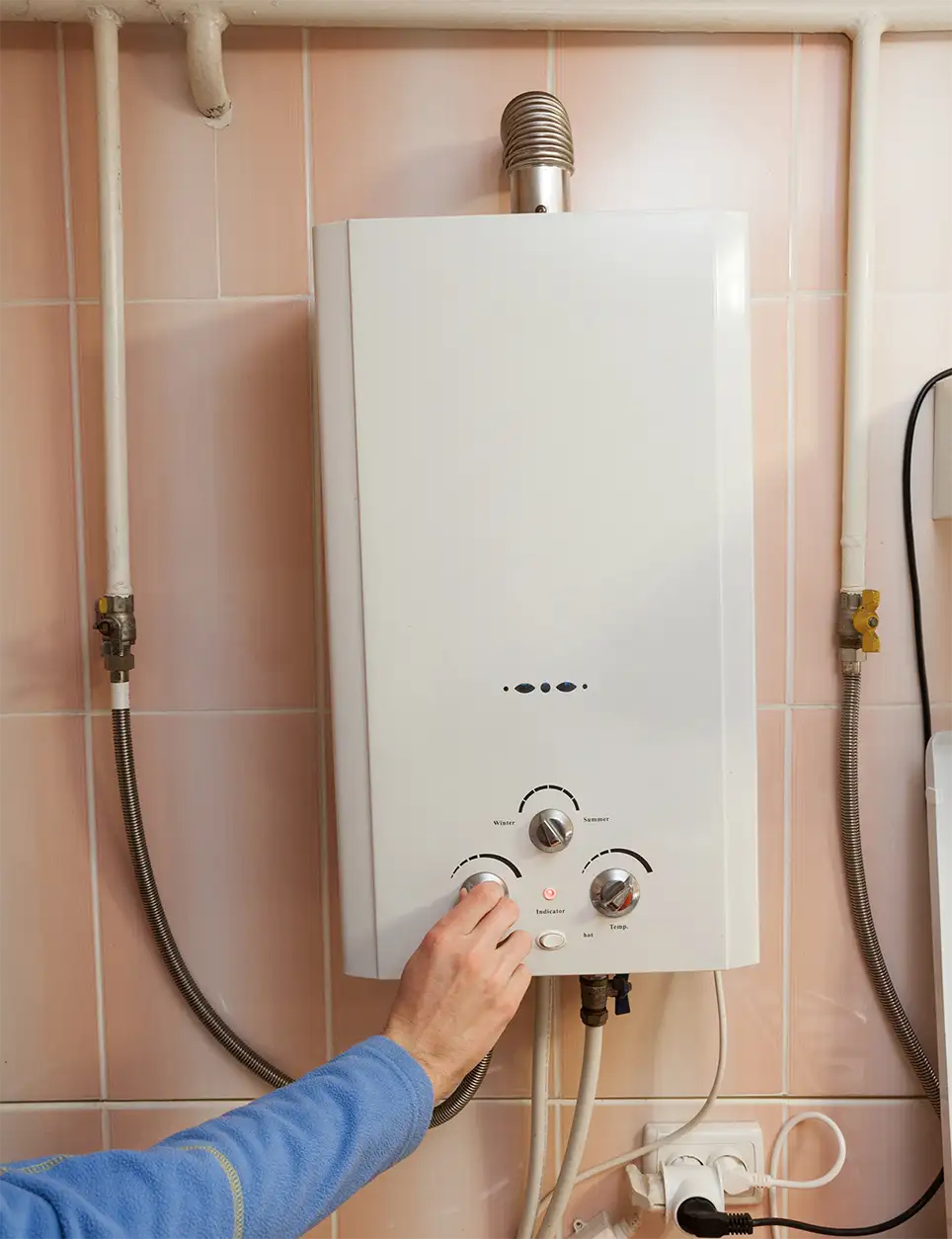
Why Does My Water Heater Struggle More in the Winter Months?
Water heater problems often increase during winter because cold temperatures force your unit to work harder. When the incoming water is colder, your water heater needs more energy and time to heat it to your desired temperature. This extra strain can reveal existing issues or create new ones. The temperature difference between the cold water entering your tank and your set temperature is greater in winter, making your heater run longer heating cycles. This increased workload can lead to higher energy bills, strange noises, or even complete breakdowns during the coldest months.
Table of Contents
| Winter Water Heater Challenge | Why It Happens | Simple Solution |
|---|---|---|
| Longer heating times | Colder incoming water | Insulate pipes and water heater |
| Higher energy bills | Extended heating cycles | Lower thermostat slightly (120°F is ideal) |
| Cold water surprises | Tank depletes faster | Space out hot water usage |
| Strange noises | Sediment movement from temperature changes | Flush tank before winter |
How Cold Weather Affects Your Water Heater
When winter arrives, your water heater faces several challenges that don’t exist during warmer months. Understanding these seasonal water heater problems can help you prevent issues before they leave you shivering in a cold shower.
Colder Incoming Water Temperature
The most significant winter water heater problem is the temperature of water entering your home. In summer, ground water might be 65-75°F, but winter can drop this to 35-45°F in many regions. This means your water heater must work much harder to reach your set temperature (typically 120-140°F).
Think of it like heating a pot of water on the stove. A pot of room-temperature water boils much faster than one filled with ice-cold water. Your water heater faces the same challenge but on a larger scale.
Increased Demand for Hot Water
We naturally use more hot water during winter. Longer, hotter showers feel great when it’s freezing outside. This increased demand puts extra strain on your water heater, potentially leading to water heater problems if your unit isn’t properly maintained.
When everyone in the house wants hot showers on cold mornings, your water heater might struggle to keep up. This is especially true for older or undersized units.
Colder Ambient Temperatures
If your water heater lives in a garage, basement, or other unheated space, the colder air surrounding it creates another challenge. Your water heater must work against this cold environment to maintain its internal temperature.
The tank itself loses heat faster when surrounded by cold air. This heat loss means more energy consumption and more frequent heating cycles, which can lead to premature water heater problems.
Common Winter Water Heater Problems
Winter conditions can trigger or worsen several specific water heater problems. Knowing what to watch for helps you address issues before they become emergencies.
Running Out of Hot Water Quickly
If your showers suddenly turn cold faster than usual, winter is likely the culprit. Your water heater can’t recover as quickly when processing much colder incoming water. This problem is especially noticeable in the morning when multiple people shower back-to-back.
A properly sized water heater should provide enough hot water for your household’s needs. However, winter’s colder incoming water can reduce your effective capacity by 25-30%.
Higher Energy Bills
Notice your utility bills climbing in winter? Your water heater is probably working overtime. The extra energy needed to heat colder water can significantly impact your monthly costs.
Water heating typically accounts for about 18% of home energy use, making it the second-largest energy expense in most homes. During winter, this percentage often increases due to the additional heating demands.
Strange Noises
Popping, crackling, or rumbling sounds often increase during winter months. These water heater problems usually indicate sediment buildup in your tank. As water temperatures change more dramatically in winter, this sediment moves around more, creating those unsettling sounds.
These noises aren’t just annoying; they signal reduced efficiency and potential damage to your heating elements or tank lining.
Fluctuating Water Temperatures
Cold weather can make temperature inconsistency more noticeable. You might experience sudden temperature changes during showers or when using hot water for other purposes.
These fluctuations often result from your water heater struggling to maintain consistent temperatures while processing much colder water. The heating elements cycle on and off more frequently, creating temperature variations.
How to Help Your Water Heater During Winter
The good news is that many winter water heater problems can be prevented or minimized with some simple steps. These maintenance tasks and adjustments can keep your hot water flowing reliably all winter long.
Insulate Your Water Heater and Pipes
Adding insulation is one of the most effective ways to combat winter water heater problems. A water heater blanket can reduce heat loss by up to 45% for older tanks. These insulating jackets cost about $20-30 and can be installed in under an hour.
Don’t forget your hot water pipes! Insulating exposed pipes, especially in unheated areas, helps water stay warmer as it travels to your faucets. Pipe insulation sleeves are inexpensive and easy to install without professional help.
Adjust the Temperature Setting
While it might seem logical to turn up your water heater during winter, this isn’t always necessary or efficient. The Department of Energy recommends setting your water heater to 120°F for most households. This temperature provides comfortable hot water while preventing scalding and reducing energy costs.
If you’re experiencing water heater problems with temperature, try increasing the setting by just 5 degrees at a time until you find a comfortable balance. Remember that each 10-degree reduction saves 3-5% on water heating costs.
Schedule a Pre-Winter Maintenance Check
Professional maintenance before winter can prevent many common water heater problems. A technician will:
- Flush the tank to remove sediment buildup
- Check heating elements for damage
- Inspect the anode rod (which prevents tank corrosion)
- Test pressure relief valves
- Ensure proper thermostat function
This maintenance typically costs $75-150 but can extend your water heater’s life by years and prevent costly emergency repairs during the coldest days.
Space Out Hot Water Usage
Simple changes to your household routine can reduce winter water heater problems. Try spacing showers 15-20 minutes apart to give your water heater recovery time. Consider showering at different times of day rather than everyone showering in the morning.
Running the dishwasher or washing machine at night, when no one needs shower water, can also help manage your hot water supply more effectively.
When to Consider Upgrading Your Water Heater
Sometimes, persistent winter water heater problems signal that it’s time for an upgrade. Modern water heaters offer significant improvements in efficiency and performance, especially during challenging winter conditions.
Signs Your Water Heater Can’t Handle Winter Demands
Consider replacement if you notice these water heater problems:
- Age over 10 years (tank models) or 20 years (tankless)
- Rusty water that doesn’t clear after flushing
- Frequent repairs in recent years
- Inability to meet your household’s hot water needs despite maintenance
- Significant increases in energy bills
Water heaters typically last 8-12 years. If yours is approaching this age and struggling in winter, replacement might be more economical than continued repairs.
Choosing a Winter-Ready Replacement
When shopping for a new water heater, consider these features to minimize future winter water heater problems:
- Higher efficiency ratings (look for Energy Star certification)
- Proper sizing for your household’s needs (with winter capacity in mind)
- Better insulation in newer tank models
- Tankless options for unlimited hot water (though initial cost is higher)
- Heat pump water heaters for maximum efficiency (in suitable climates)
A properly sized, modern water heater can eliminate most winter performance issues while reducing your energy costs year-round.
Tankless vs. Tank Water Heaters in Winter
Different types of water heaters respond differently to winter challenges. Understanding these differences can help you choose the best system for your climate and needs.
Tank Water Heaters in Winter
Traditional tank water heaters store and maintain a reservoir of hot water. During winter, they face several challenges:
- Greater heat loss through tank walls in cold environments
- Longer recovery times when refilling with very cold water
- Limited capacity that may seem smaller in winter due to slower recovery
However, tank water heaters have some winter advantages too. The stored hot water is immediately available, even during power outages (until the tank depletes). They also typically cost less to purchase and install than tankless models.
Tankless Water Heaters in Winter
Tankless (on-demand) water heaters heat water only when needed. Their winter performance includes:
- Unlimited hot water capacity (though flow rate may be reduced)
- No standby heat loss from stored water
- Higher initial heating demands when incoming water is very cold
In extremely cold regions, tankless water heaters may require larger gas lines or electrical capacity to handle the increased heating demand of winter. However, they typically provide more consistent hot water during high-demand periods.
Emergency Fixes for Winter Water Heater Problems
Even with proper maintenance, water heater problems can still occur during winter. These temporary fixes can help restore hot water until professional help arrives.
No Hot Water
If you suddenly have no hot water, check these items:
- Verify the circuit breaker hasn’t tripped (for electric models)
- Ensure the gas is on and pilot light is lit (for gas models)
- Check the thermostat settings haven’t been accidentally changed
- Reset the high-temperature limit switch (consult your manual)
For electric water heaters, sometimes resetting the unit by turning off power at the breaker for 30 minutes, then restoring it, can resolve temporary issues.
Lukewarm Water
If your water isn’t getting hot enough during winter:
- Temporarily increase the temperature setting by 5-10 degrees
- Reduce hot water usage to allow more recovery time
- Add temporary insulation around the tank (even blankets can help in an emergency)
Remember to return the temperature to a safe setting (120°F) once the extreme cold passes to prevent scalding and excessive energy use.
Leaking Water Heater
A leaking water heater requires immediate attention, especially in winter when freezing could occur:
- Turn off water supply to the heater
- Turn off power (electric) or gas supply
- Drain the tank if possible
- Call for emergency service
Small leaks from connections sometimes can be temporarily tightened, but tank leaks generally indicate the need for replacement.
Frequently Asked Questions About Winter Water Heater Problems
Why does my hot water run out faster in winter?
Your hot water runs out faster in winter because the incoming water is much colder, requiring more energy and time to heat. Your water heater tank effectively holds less usable hot water because it must work harder to heat each new gallon that enters the tank. Additionally, people typically take longer, hotter showers in winter, depleting the available hot water more quickly.
Is it normal for my water heater to make more noise in winter?
Yes, increased noises during winter are common water heater problems. The greater temperature difference between cold incoming water and your heated tank causes more expansion and contraction of metal components. Additionally, sediment at the bottom of your tank moves around more with these temperature changes, creating popping or rumbling sounds. Regular flushing can reduce these noises.
Should I turn up my water heater temperature in winter?
Slightly increasing your water heater temperature during extreme cold can help, but exercise caution. The recommended setting is 120°F for safety and efficiency. If you increase it, don’t go above 130°F to prevent scalding risks. Remember that each 10-degree increase raises energy costs by 3-5%. Better alternatives include insulating your water heater and pipes to retain heat more effectively.
Why are my energy bills so much higher in winter?
Winter water heater problems often include higher energy consumption because your unit works harder heating colder incoming water. The temperature difference might be 70-80 degrees in winter versus 40-50 degrees in summer. This larger gap requires significantly more energy to overcome. Additionally, heat loss from the tank and pipes increases in colder environments, further raising energy needs.
Can freezing temperatures damage my water heater?
Yes, freezing temperatures can cause serious water heater problems, especially for units located in unheated spaces. While the water inside a functioning water heater typically won’t freeze, extended power outages or system failures can allow freezing. Frozen and burst pipes connected to your water heater are more common concerns. Proper insulation of both the heater and pipes provides essential protection.
Keeping Your Hot Water Flowing All Winter
Winter water heater problems are common but manageable with proper preparation and maintenance. By understanding why your water heater struggles during colder months, you can take proactive steps to ensure reliable hot water when you need it most.
Regular maintenance before winter arrives remains your best defense against cold-weather water heater problems. Simple tasks like insulating pipes, adjusting usage patterns, and scheduling professional service can dramatically improve winter performance.
For persistent issues, consider whether your current water heater is properly sized and efficient enough for your household’s winter demands. Modern, energy-efficient models can provide more reliable hot water while reducing utility costs.
Don’t wait until you’re taking cold showers to address winter water heater problems. Contact Precision Plumbing today to schedule a pre-winter water heater inspection or to discuss upgrade options that will keep your hot water flowing reliably all season long.