



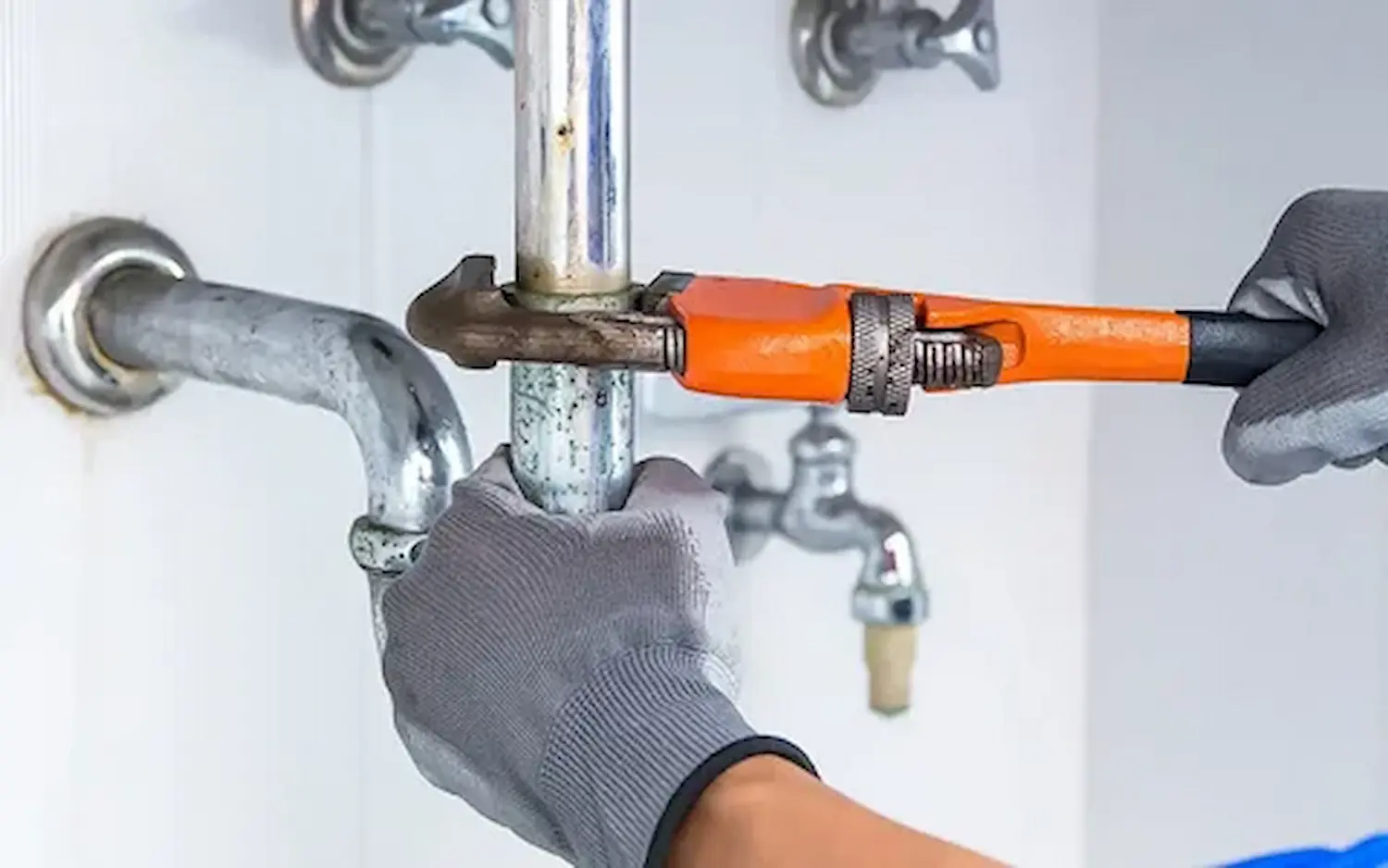
Why Is My Shower Not Draining?
Your shower is not draining because hair, soap scum, or other debris is blocking the pipes. This happens over time as stuff washes down your drain and gets stuck. Sometimes mineral buildup from hard water can also cause clogs. In apartments or older homes, the problem might be deeper in your plumbing system. The good news is that most shower drain clogs can be fixed without calling a plumber. Simple tools like plungers, drain snakes, or even homemade solutions can often solve the problem. If these don’t work, the clog might be more serious and need professional help.
Table of Contents
| Common Causes | DIY Solutions | When to Call a Pro |
|---|---|---|
| Hair clogs | Drain snake, plunger | After multiple failed attempts |
| Soap scum | Vinegar and baking soda | If the buildup is severe |
| Foreign objects | Drain snake, pliers | If the object is unreachable |
| Pipe damage | Not DIY-friendly | Immediately |
| Tree roots | Not DIY-friendly | Immediately |
Common Reasons Your Shower Is Not Draining
Let’s look at the most common reasons why your shower might be draining slowly or not at all. Understanding what’s causing the problem will help you fix it faster.
Hair Buildup
Hair is the number one cause of shower drain clogs. Every time you wash your hair, loose strands go down the drain. Over time, these hairs catch on the sides of pipes or get tangled in the drain stopper.
Hair doesn’t break down in water. Instead, it forms a net-like trap that catches other things like soap and skin cells. This makes the clog bigger and tighter.
If your home has people with long hair, you’ll likely face this problem more often. Using a drain cover can help catch hair before it goes down the drain.
Soap Scum and Residue
Soap doesn’t just disappear when it washes down your drain. It leaves behind a sticky residue called soap scum. This scum sticks to the inside of your pipes.
Over time, this layer of soap scum gets thicker. It narrows the pipe opening, making it harder for water to flow through. This is why your shower is not draining as fast as it used to.
Bar soaps are more likely to cause this problem than liquid soaps. They contain fats that can solidify in your pipes, especially in cold weather.
Mineral Buildup from Hard Water
If you live in an area with hard water, minerals like calcium and magnesium can build up in your pipes. These minerals leave a chalky, hard coating inside the pipes.
This mineral scale narrows the pipe opening just like soap scum does. It can also make your pipes rough inside, which makes it easier for hair and other debris to get stuck.
Hard water buildup happens slowly, so you might not notice until your shower is not draining properly. Regular cleaning can help prevent this problem.
Foreign Objects
Sometimes things accidentally fall down the drain that shouldn’t be there. Small items like bottle caps, razor covers, or even children’s toys can block your shower drain.
Unlike hair or soap, these objects don’t usually get stuck gradually. They cause sudden drainage problems when they get lodged in the pipe.
If your shower suddenly stops draining after working fine, a foreign object might be the culprit. This is especially common in homes with young children.
How to Diagnose Shower Drainage Problems
Before you try to fix your clogged shower, it’s helpful to figure out what kind of clog you’re dealing with. Here’s how to diagnose the problem.
Check the Drain Cover
Start by looking at the drain cover. Often, hair and debris collect right at the surface where you can see them. Remove the cover if possible.
Look for visible clogs just below the cover. Sometimes you can remove these with your fingers or a pair of tweezers. Wear gloves for this job!
If the clog isn’t visible at the surface, you’ll need to look deeper into the drain.
Observe the Water Drainage Pattern
Pay attention to how the water drains. Is it very slow, or does it back up completely? Does it drain and then stop?
If water backs up immediately, the clog is probably near the top of the drain. If it drains a bit before slowing down, the clog might be deeper in the pipes.
Also, notice if the water backs up in other bathroom fixtures when you use them. If your toilet gurgles when you drain the tub, you might have a bigger plumbing issue.
Listen for Unusual Sounds
Weird sounds can tell you a lot about your drain problems. Gurgling noises often mean air is trapped in the pipes because of a partial clog.
Complete silence when water should be draining suggests a total blockage. The water isn’t moving at all, so there’s no sound.
Listening can help you determine if the problem is just in your shower or in the main drainage system of your home.
DIY Solutions for When Your Shower Is Not Draining
Now that you know what might be causing your shower drain clog, let’s look at some ways to fix it yourself. Try these methods before calling a plumber.
Boiling Water Method
The simplest fix is often pouring boiling water down the drain. This works best for soap scum and grease clogs.
Boil a full kettle of water. Pour it directly down the drain in three separate stages, waiting a few seconds between each pour.
Warning: Don’t use this method if you have PVC pipes, as the boiling water could damage them. Also, be careful not to splash yourself.
Baking Soda and Vinegar Solution
This natural cleaning method is great for breaking down soap scum and minor hair clogs. It’s also safer for your pipes than chemical cleaners.
First, pour half a cup of baking soda down the drain. Then add half a cup of white vinegar. The mixture will bubble and fizz – that’s normal!
Cover the drain with a plug or cloth for about 30 minutes. Then flush with hot (not boiling) water. You might need to repeat this process for stubborn clogs.
Using a Plunger
A plunger can create pressure to dislodge clogs. Make sure you use a cup-style plunger, not a flange plunger (the kind used for toilets).
Add enough water to cover the drain opening. Place the plunger directly over the drain, making sure it forms a tight seal.
Push down and pull up rapidly several times. The suction can help break up the clog. After plunging, run water to see if the drain is clear.
Drain Snake or Auger
A drain snake (also called an auger) is a flexible tool that can reach deep into pipes to remove clogs. You can buy an inexpensive plastic one or rent a metal one.
Insert the snake into the drain and push it forward until you feel resistance. Then rotate the snake to hook onto the clog.
Pull the snake out slowly, bringing the clog material with it. You might need to repeat this several times to completely clear the drain.
Removing and Cleaning the P-Trap
The P-trap is the curved pipe section under your shower or tub. Sometimes clogs form here, and you can remove this section to clean it.
Note: This is easier with sinks than showers, as shower P-traps are often less accessible. You might need to access it through a panel or from below.
Turn off the water supply first. Place a bucket under the P-trap to catch water. Unscrew the connections, remove the P-trap, and clean out any debris. Then reattach it.
Chemical Drain Cleaners: Pros and Cons
Many people reach for chemical drain cleaners when their shower is not draining. But are they a good idea? Let’s look at the benefits and drawbacks.
When to Use Chemical Cleaners
Chemical cleaners can be effective for minor clogs, especially those caused by soap scum or small amounts of hair. They’re convenient and don’t require special tools.
They work best as a preventive measure before clogs get too bad. Using them occasionally can help keep drains flowing freely.
If you’ve tried natural methods without success, a chemical cleaner might be your next step before calling a plumber.
Potential Risks and Downsides
Chemical drain cleaners contain harsh ingredients that can damage your pipes, especially with repeated use. They’re particularly hard on older pipes and PVC.
These products are also very toxic. They can burn skin and eyes and create dangerous fumes. Always wear gloves and ensure good ventilation when using them.
They’re also bad for the environment. The chemicals end up in the water system and can harm wildlife and water quality.
Safer Alternatives
Enzymatic drain cleaners use bacteria and enzymes to break down organic matter. They’re slower than chemical cleaners but much safer for your pipes and the environment.
These biological cleaners are especially good for regular maintenance to prevent clogs. They can be used monthly to keep drains clear.
For most clogs, mechanical methods like plungers and drain snakes are more effective and safer than any chemical solution.
Preventing Future Shower Drain Clogs
The best way to deal with a shower that’s not draining is to prevent clogs from forming in the first place. Here are some simple steps to keep your drains flowing freely.
Install a Drain Cover or Hair Catcher
A drain cover or hair catcher is a simple device that fits over your drain. It catches hair and other debris before they can go down the drain.
These covers come in many styles, from simple plastic screens to more decorative metal options. They’re inexpensive and easy to install.
Clean your drain cover regularly to keep it working well. A quick rinse after each shower is ideal.
Regular Maintenance Practices
Don’t wait for your shower to stop draining before you take action. Regular maintenance can prevent major clogs.
Once a week, remove any visible hair from the drain. Once a month, flush your drain with hot water to help dissolve soap residue.
Every few months, use the baking soda and vinegar method as a preventive measure. This helps keep pipes clean even when there’s no visible problem.
Mindful Showering Habits
What you do in the shower affects your drains. Try to shake excess hair from brushes into the trash, not the drain.
Use liquid soap instead of bar soap when possible. It’s less likely to leave residue in your pipes.
Don’t wash heavy mud or sand down your shower drain. Rinse off outside first, or wipe off the worst of it with a towel that can go in the laundry.
When to Call a Professional Plumber
While many shower drainage problems can be fixed at home, some situations call for professional help. Here’s when to pick up the phone.
Signs of Serious Plumbing Issues
If multiple drains in your home are backing up at once, you likely have a problem in your main sewer line. This isn’t something you can fix yourself.
Foul smells coming from drains, especially if they smell like sewage, indicate a serious problem. This could mean broken pipes or sewer line issues.
Water backing up into other fixtures when you use the shower (like toilet water rising when you shower) is another red flag that requires professional attention.
After Multiple Failed DIY Attempts
If you’ve tried several DIY methods and your shower is still not draining properly, it’s time to call a pro. Continuing to try might make the problem worse.
When drain snakes can’t reach or remove the clog, a plumber has specialized equipment that can reach much farther into your plumbing system.
If you’ve used chemical cleaners without success, don’t keep adding more. This can create a dangerous chemical soup in your pipes. Call a plumber instead.
Cost Considerations for Professional Drain Cleaning
Professional drain cleaning typically costs between $100 and $300, depending on the severity of the clog and your location. This is much cheaper than fixing water damage from overflows.
Many plumbers offer camera inspections to see exactly what’s causing the blockage. This might cost extra, but it can help identify problems like tree roots or broken pipes.
Some plumbers offer maintenance plans that include regular drain cleaning. This can be cost-effective if you have recurring problems.
Understanding Your Plumbing System
Knowing a bit about how your shower drain works can help you prevent and fix problems. Let’s look at the basics of shower plumbing.
How Shower Drains Work
Your shower drain connects to a trap (usually a P-trap) that holds water to prevent sewer gases from coming up through the drain. This is why you sometimes hear gurgling.
From the trap, water flows into a branch drain, which connects to larger pipes and eventually to your home’s main drain line. Clogs can happen at any point in this system.
Shower drains rely on gravity to work properly. If pipes are installed with an incorrect slope, drainage problems can result even without clogs.
Different Types of Shower Drains
Point drains are the most common type, with a single drain in the middle or corner of the shower. These are simple, but can get overwhelmed by high water volume.
Linear drains (also called trench drains) are long, narrow drains that run along one side of the shower. They handle water more efficiently but can collect more hair.
Some newer showers have multiple drains for better drainage. This provides backup if one drain gets clogged.
Common Plumbing Configurations
In most homes, the shower drain connects to the same drain line as the bathroom sink and toilet. This is why problems in one fixture can affect others.
Older homes might have different plumbing setups, sometimes with longer pipe runs or more bends. These are more prone to clogs.
Knowing where your cleanout access points are can help you or a plumber address clogs more easily. These are usually caps on pipes that provide access for cleaning.
Frequently Asked Questions
How often should I clean my shower drain?
You should remove hair and visible debris weekly. For deeper cleaning, use the baking soda and vinegar method monthly to prevent buildup. If you have hard water or multiple people with long hair using the shower, you might need to clean more frequently.
Can I use Drano in my shower drain?
While you can use Drano in shower drains, it’s not recommended for regular use. Chemical cleaners like Drano can damage pipes over time, especially older ones. They’re also harmful to the environment. Try mechanical methods like plungers or drain snakes first, or use enzymatic cleaners that are gentler on your plumbing.
Why does my shower drain smell bad even when it’s not clogged?
Bad smells from a drain that’s working properly often come from biofilm – a layer of bacteria growing inside the pipes. This happens when organic matter like hair, skin cells, and soap builds up. Regular cleaning with baking soda and vinegar can help. If the smell is like rotten eggs, you might have a problem with your P-trap drying out, allowing sewer gases to come up.
Can tree roots cause my shower not to drain?
Yes, tree roots can cause shower drainage problems, though this is more common in older homes with clay or concrete sewer pipes. Roots seek out water and can infiltrate tiny cracks in pipes. When this happens, it usually affects all drains in your home, not just the shower. This requires professional help, often using specialized equipment to cut through the roots.
How do I know if my shower drain problem is covered by insurance?
Most home insurance policies don’t cover regular clogs or drain cleaning. However, if a sudden, accidental pipe break causes water damage, that might be covered. Some policies offer additional coverage for sewer line backups, but this usually costs extra. Check your specific policy or call your insurance agent to understand what’s covered before you have a problem.
Keeping Your Shower Draining Properly
When your shower is not draining, it’s usually due to a buildup of hair, soap scum, or other debris. Most of these clogs can be fixed with simple DIY methods like plungers, drain snakes, or natural cleaning solutions.
Prevention is the best approach to shower drain clogs. Installing a hair catcher, regular maintenance, and being careful about what goes down your drain can save you a lot of trouble. Remember that chemical drain cleaners should be a last resort before calling a professional.
If you’ve tried multiple solutions and your shower is still not draining properly, it might be time to call the experts. Precision Plumbing can diagnose and fix even the most stubborn shower drain clogs. Our professional plumbers have the tools and expertise to solve your drainage problems quickly and effectively. Don’t let a clogged shower disrupt your daily routine – book an appointment with Precision Plumbing today!