




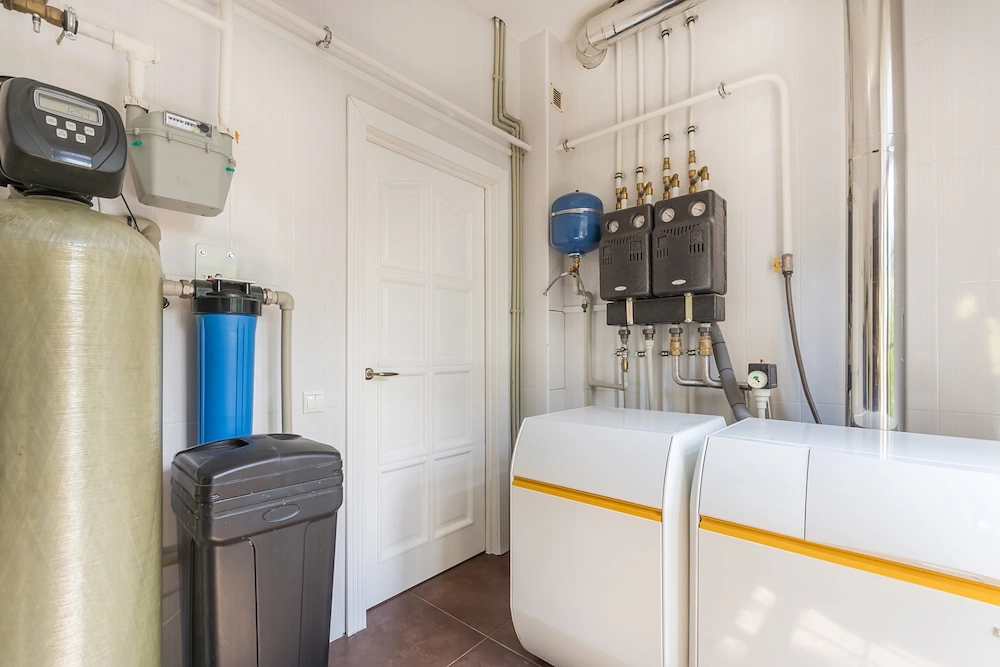
Forget About Hard Water Issues
Hard water is more than just an annoyance—it’s a silent culprit behind many household frustrations and unexpected expenses. From spotted dishes to scale buildup in pipes, hard water affects approximately 85% of American homes, according to the U.S. Geological Survey.
Water softeners offer an effective solution to these persistent problems, transforming your home’s water quality and protecting your valuable plumbing systems. This guide explores how water softeners can enhance your home comfort, preserve your appliances, and ultimately save you money on repairs and replacements.
Table of Contents
What Are Water Softeners and How Do They Work?
Water softeners are specialized systems designed to remove minerals like calcium and magnesium that cause water hardness. These minerals, while not harmful to health, can wreak havoc on your home’s plumbing and appliances. The most common water softeners use a process called ion exchange to replace hardness minerals with sodium ions.
When hard water flows through the resin bed inside a water softener, the calcium and magnesium ions attach to the resin beads, releasing sodium into the water instead. Once the resin becomes saturated with hardness minerals, the system regenerates by flushing the collected minerals away with a salt solution. This cycling process ensures your water remains consistently soft throughout your home.
According to the Water Quality Association, water with more than 7 grains per gallon (gpg) of dissolved hardness minerals is considered hard. Many suburban and rural homes exceed this threshold, making water softeners an essential investment for long-term home maintenance.
Signs You Need a Water Softener
Wondering if your home could benefit from water softeners? Look for these telltale indicators:
- Visible scale buildup on faucets, showerheads, and appliances
- White spots or film on glassware and dishes after washing
- Stiff, scratchy laundry despite using fabric softeners
- Soap that doesn’t lather well in sinks, showers, or washing machines
- Dry, itchy skin or dull, lifeless hair after bathing
- Frequent plumbing repairs due to mineral buildup in pipes
- Shortened lifespan of water-using appliances like coffee makers, dishwashers, and water heaters
If you’re experiencing three or more of these signs, your home likely has hard water that could be addressed with a quality water softening system. Professional water testing can confirm the hardness level and help determine the right size and type of system for your needs.
Top Benefits of Installing Water Softeners
Extended Appliance Lifespan
Water softeners significantly extend the life of your household appliances by preventing mineral buildup. The heating elements in appliances like dishwashers and water heaters are particularly vulnerable to scale accumulation. This scale acts as an insulator, forcing appliances to work harder and consume more energy to achieve the same results.
Research from the Water Quality Research Foundation shows that water heaters operating with softened water maintain their original efficiency rating for far longer than those using hard water. In fact, water heaters can lose up to 30% of their efficiency when operating with hard water. By installing water softeners, you protect these expensive investments and postpone costly replacements.
Reduced Plumbing Maintenance
Hard water minerals gradually accumulate inside pipes, fixtures, and valves, restricting water flow and eventually leading to clogs or leaks. This buildup is particularly problematic in older homes with copper or galvanized steel plumbing. Water softeners prevent this mineral accumulation, keeping your pipes clear and functioning properly.
Homeowners with water softeners report significantly fewer emergency plumbing calls and pipe-related repairs. The upfront investment in a quality water softening system can save thousands in emergency plumbing services over the life of your home. Many of our customers express relief at no longer dealing with low water pressure or unexpected pipe failures after installing water softeners.
Better Cleaning Results
Soft water dramatically improves cleaning efficiency throughout your home. Hard water interferes with soap’s ability to dissolve completely, leaving behind a sticky residue on everything from your shower walls to your dinner plates. This soap scum not only looks unsightly but also creates extra cleaning work.
With water softeners installed, you’ll notice:
- Spotless dishes and glassware straight from the dishwasher
- Cleaner, brighter laundry with less detergent needed
- Shower doors and tiles that stay cleaner longer
- Reduced soap scum buildup in bathtubs and sinks
These improved cleaning results mean less time scrubbing and more time enjoying your home. Many customers tell us they’re amazed by how much easier housekeeping becomes after installing water softeners.
Softer Skin and Hair
The effects of hard water extend beyond your home’s infrastructure to your personal comfort. Hard water minerals can strip away natural oils from skin and hair, leaving them dry, itchy, and dull. People with sensitive skin or conditions like eczema often notice their symptoms worsen when using hard water for bathing.
Water softeners transform your shower experience by allowing soaps and shampoos to work as intended. The result is softer, more moisturized skin and silkier, more manageable hair. Many users report using less lotion and fewer hair products after switching to softened water, saving money on personal care items while enjoying better results.
Types of Water Softeners for Your Home
Not all water softeners are created equal. The best system for your home depends on your specific water conditions, household size, and preferences:
Traditional Salt-Based Ion Exchange Systems remain the most popular and effective option for most homes. These systems use sodium to replace hardness minerals and require periodic salt additions. They’re ideal for homes with moderate to severe hardness levels and come in various capacities to match different household sizes.
Salt-Free Conditioners use template-assisted crystallization technology to convert hardness minerals into crystals that don’t stick to surfaces. While not technically “softeners,” these systems prevent scale without adding sodium to your water. They’re good options for those on sodium-restricted diets or environmental concerns about salt discharge.
Dual-Tank Systems offer uninterrupted soft water access even during regeneration cycles. These premium options are perfect for larger households with high water usage patterns. They ensure you never experience periods of hard water between regeneration cycles.
Portable Exchange Tank Service provides professionally maintained equipment with regular tank exchanges. This option eliminates the need for homeowner maintenance but typically comes with ongoing service fees.
According to Consumer Reports, the best water softener for your home should match your water hardness level, daily water usage, and available installation space. Professional assessment can help determine the optimal size and type for your specific situation.
Installation and Maintenance Considerations
Installing water softeners properly is crucial for optimal performance and longevity. While DIY installation kits are available, we recommend professional installation for several reasons:
- Professionals ensure proper sizing based on your household’s specific needs
- Correct placement and connection prevent water damage and system inefficiency
- Professional installation often includes water testing and system configuration
- Many manufacturers require professional installation to maintain warranty coverage
Once installed, water softeners need regular maintenance to function properly. Most systems require:
- Periodic salt additions (for salt-based systems)
- Annual cleaning of the brine tank to prevent salt bridging
- Occasional resin bed cleaning to remove iron and organic buildup
- Regular water testing to ensure optimal performance
With proper maintenance, quality water softeners can last 10-15 years before requiring replacement. Many homeowners find the minimal maintenance requirements well worth the numerous benefits these systems provide.
Water Softeners: Environmental Impact
Today’s water softeners are designed with environmental considerations in mind. Modern systems use significantly less salt and water during regeneration than older models. High-efficiency water softeners can reduce salt usage by up to 75% while maintaining excellent performance.
For environmentally conscious homeowners, several options exist:
- Demand-initiated regeneration systems that only regenerate when necessary
- High-efficiency models that minimize salt and water usage
- Salt-free alternatives that eliminate brine discharge concerns
- Potassium chloride as an alternative to sodium for regeneration
According to the Environmental Protection Agency, properly maintained water softeners pose minimal environmental concerns when balanced against their benefits in extending appliance lifespans and reducing energy consumption. By reducing the need for harsh cleaning chemicals and helping appliances operate efficiently, water softeners can actually contribute to a smaller overall environmental footprint.
Frequently Asked Questions About Water Softeners
Will a water softener make my water taste salty? No, properly functioning water softeners add minimal sodium to your water—typically less than found in a slice of bread. Most people cannot detect any taste difference. If you’re concerned about sodium intake, potassium chloride can be used as an alternative regenerant.
How much maintenance do water softeners require? Basic maintenance includes adding salt every 1-3 months and occasional cleaning of the brine tank, typically once a year. Most systems now feature electronic monitoring that indicates when maintenance is needed.
Do water softeners remove beneficial minerals from drinking water? Water softeners primarily remove calcium and magnesium while leaving other minerals intact. Most people get sufficient minerals from their diet rather than drinking water. If mineral content is a concern, consider a separate drinking water system for your kitchen.
How long do water softeners last? Quality water softeners typically last 10-15 years with proper maintenance. Higher-end systems with better components may last 15-20 years. Regular service extends system lifespan considerably.
Can I install a water softener myself? While DIY installation is possible for those with plumbing experience, professional installation ensures proper sizing, placement, and configuration. Professional installation also preserves manufacturer warranties and prevents potential water damage from improper connections.
Conclusion
Water softeners represent one of the most practical and beneficial investments you can make in your home. By preventing scale buildup, extending appliance lifespans, improving cleaning results, and enhancing personal comfort, these systems deliver daily benefits you’ll notice immediately and long-term savings you’ll appreciate for years to come.
Ready to enjoy the many benefits of soft water in your home? Contact Precision Plumbing today to schedule a professional water analysis and consultation. Our experts will help you select the perfect water softening system for your specific needs and ensure proper installation for maximum performance and longevity. Your home—and your wallet—will thank you!