


Water hardness impact on appliances is a common homeowner concern. It’s a silent enemy affecting plumbing and appliances. This isn’t just about spotty dishes; it’s about longevity and efficiency.
This article explores water hardness impact on appliances, from your water heater to your washing machine. We’ll discuss mitigating these effects, ensuring your appliances run smoothly for years.
Hard Water: The Culprit Behind Appliance Issues
Hard water has high mineral content, mainly calcium and magnesium. Flowing through your home, these hardness minerals leave scale deposits. This scale buildup causes many appliance problems.
How Water Hardness Damages Your Appliances
Scale restricts water flow, forcing appliances to work harder, reducing efficiency. Hard water also impacts detergent effectiveness, leaving spots and film. The resulting water damage can become very costly.
Over time, this strain and mineral buildup affects your home:
- Clogged pipes and reduced water pressure.
- Decreased appliance lifespan (up to 3-5 years less.).
- Increased energy consumption (up to 29% higher energy bills).
- Costly repairs (averaging $307).
Hard water creates water problems which can quickly increase, even with trace amounts of hardness minerals building up over time.
Water Hardness Impact On Appliances: A Closer Look
Hard water’s impact varies across appliances. Let’s examine the effects on individual appliances, offering insights and advice. Softening your water will increase water flow dramatically.
Water Heaters
Hard water is harsh on water heaters. Scale forms on the heating element, reducing heating efficiency. This causes higher energy bills and premature heating element failure. Studies have shown excessive hard water scale accumulation impacting heat water.
One study found that every five grains per gallon of hardness caused 0.4 pounds of scale accumulation yearly. The anode rod, protecting the tank from corrosion, corrodes faster in hard water.
Regularly flushing your water heater removes sediment and scale, improving efficiency and lifespan. This involves draining and rinsing the tank with fresh water to clear debris. The longer hard water sits the more calcium carbonate can accumulate. Electric water heaters can be impacted more than gas.
Washing Machines
Hard water hinders detergent effectiveness in washing machines. Clothes become dingy, stiff, and scratchy. Scale can clog the water inlet valve, impacting water flow and efficiency.
Reduced water flow hinders rinsing soap and dirt, leaving irritating residues. Over time, minerals accumulate on the pump and moving parts, reducing performance and leading to failure.
To extend lifespan, follow manufacturer guidance, including regular cleaning with a specialized cleaner for hard water minerals. The build up of hardness minerals inside washing machines will impact its efficiency and longevity.
Dishwashers
Hard water leaves spots and film on dishes, even after washing. It accumulates in spray arms, jets, and filters, disrupting water flow and compromising performance. It also creates issues with the cleaning ability of detergents due to the mineral interaction with hard water.
Hard water in dishwashers is notorious for creating issues with cleaning due to mineral interaction with detergents and can permanently etch into glassware in extreme cases. Regularly cleaning your dishwasher keeps parts clear and running smoothly.
Telltale Signs of Hard Water
While effects are sometimes invisible, clues indicate hard water issues. Experts cite spotted silverware, scale deposits, and decreased water pressure.
Even the failure rate of appliances can be a sign. White spots on coffee makers, film and soap scum on plumbing fixtures, and high utility bills are indicators. A simple water test helps validate your experience. Soft water testing is less common because those systems are actively removing those materials and they won’t appear.
Solutions for Hard Water Problems
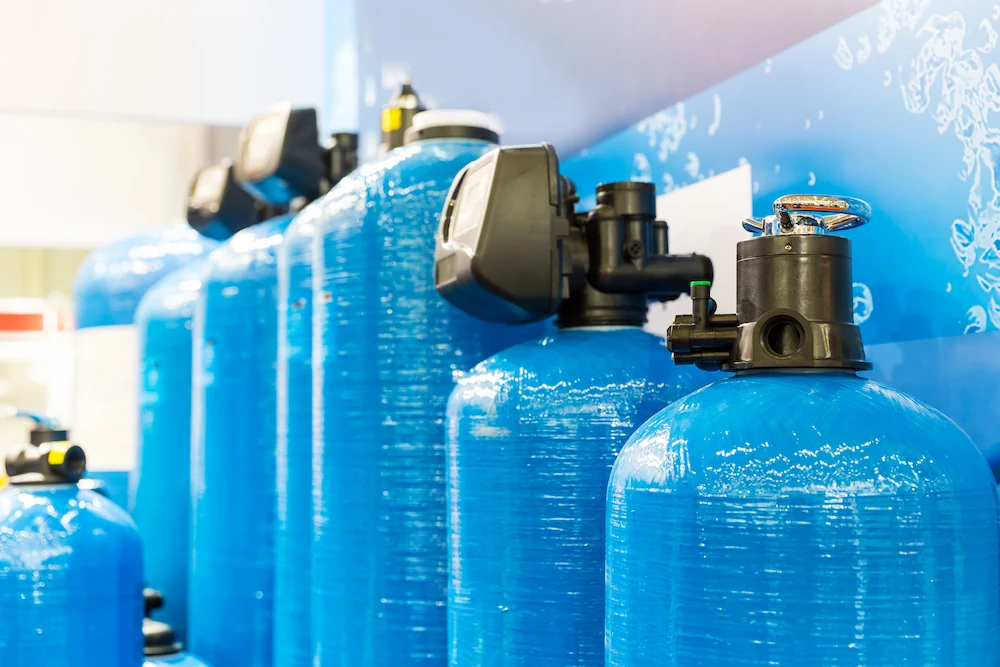
A water softener removes minerals from hard water, offering substantial benefits. These include better water pressure, reduced appliance wear, increased detergent efficiency, and softer skin. This helps prevent hard water damage.
Making informed decisions prolongs the life of water-using appliances, improves efficiency, and keeps homes running smoothly. If you notice any hard water problems consider getting a water test.
Natural cleaning with white vinegar or lemon juice removes existing scale. However, excessive acid exposure can cause corrosion, so proceed cautiously.
Water Softener Options
Homeowners have various water softener options, including timer-based and usage-based models. Selection depends on household needs and local water hardness. A water hardness test determines your local water hardness.
Testing your local water with test kits, often available at home centers or online retailers is a key to maintaining optimal performance of household appliances and understanding the local water. Consulting a plumber provides tailored advice for each situation. Choosing water softening ensures smoother appliance operation, providing peace of mind at a manageable cost. Softer water will result in reduced scale.
Conclusion
Water hardness significantly impacts appliances, affecting performance, lifespan, and efficiency. Regular maintenance like cleaning and flushing helps mitigate this, but long-term solutions like water softeners provide broader benefits across appliances.
Proactive steps, including softening or filtration, occasional appliance inspections, and recognizing telltale signs like spots or residue buildup, prevent damage. Addressing water hardness ensures efficient home operation.
Understanding water hardness and taking the right steps saves money on repairs, extends appliance lifespan, and creates a smoothly running home. It’s recommended to follow appliance manufacturers’ guidance for keeping the appliances maintained and operating at peak condition. Understanding mineral content and its effect on household appliances will keep them operating smoothly. If problems persist or require professional assessment, contact your local municipality for help with water testing, a plumbing professional, or an appliance repair specialist. The less mineral buildup in household appliances, the longer the lifespan.
Contact us today for more information or to schedule a free consultation.