



Are Touchless Faucets Worth The Investment?
Yes, touchless faucets are worth the investment for most homeowners. They offer significant benefits, including improved hygiene, water conservation, and enhanced convenience that justify their cost. While the initial price is higher than traditional faucets, the long-term savings on water bills and reduced maintenance needs make touchless faucets a smart financial decision for many households.
Table of Contents
Key Benefits of Touchless Faucets
Touchless faucets are worth the investment primarily because of the numerous advantages they offer over traditional manual faucets. Let’s explore the key benefits that make these modern fixtures increasingly popular in homes across America.
Improved Hygiene and Cleanliness
One of the biggest advantages of touchless faucets is the enhanced hygiene they provide. With traditional faucets, you need to touch handles that may be covered in germs, especially after handling raw food or using the bathroom. Touchless faucets eliminate this contact point, reducing the spread of bacteria and viruses in your home.
Studies show that bathroom and kitchen faucet handles can harbor more bacteria than many other surfaces in your home. By investing in touchless technology, you create a more sanitary environment for your family. This benefit alone makes touchless faucets worth the investment for health-conscious homeowners.
Water Conservation
Touchless faucets are worth the investment from an environmental and financial perspective due to their water-saving capabilities. These smart fixtures only run water when needed, automatically shutting off when your hands move away. This prevents the common problem of leaving water running while soaping hands, brushing teeth, or stepping away from the sink.
Most touchless models come with built-in flow restrictors that limit water usage to 1.5 gallons per minute or less, compared to the 2.2 gallons of standard faucets. This reduction can save the average family hundreds of gallons of water annually. For environmentally conscious homeowners, touchless faucets are worth the investment for their significant contribution to water conservation.
Enhanced Convenience
The convenience factor of touchless faucets cannot be overstated. Imagine having your hands full with dirty dishes or covered in dough while cooking – with a touchless faucet, a simple wave of your hand or arm activates the water flow. This hands-free operation makes kitchen and bathroom tasks more efficient and less messy.
For families with children, touchless faucets are worth the investment because they make hand washing easier and more fun for kids. The “magic” of the sensor encourages better hygiene habits. Similarly, for elderly users or those with mobility issues, not having to grip and turn handles can make a significant difference in comfort and independence.
Understanding the Cost of Touchless Faucets
When considering whether touchless faucets are worth the investment, it’s important to understand the upfront costs involved. Let’s break down what you can expect to pay and what factors influence pricing.
Initial Purchase Price
Touchless faucets typically cost more than traditional manual faucets. Entry-level touchless models start around $100-150, while mid-range options cost between $200-350. Premium touchless faucets with additional features can range from $400 to over $700.
This price difference exists because touchless faucets contain more complex components, including motion sensors, solenoid valves, and electronic controls. Many also feature more durable materials and finishes. While this higher initial cost might seem significant, it’s important to consider the long-term value when determining if touchless faucets are worth the investment.
Installation Expenses
Installation costs should be factored into your decision about whether touchless faucets are worth the investment. If you’re replacing an existing faucet, professional installation typically costs between $150-300, depending on your location and the complexity of the job.
Some homeowners with basic plumbing skills can install touchless faucets themselves, especially models designed for DIY installation. However, because these faucets require both water connections and power (either batteries or AC adapters), the installation can be more complex than standard faucets. Improper installation might lead to sensor problems or water leaks, potentially negating the benefits that make touchless faucets worth the investment.
Power Source Considerations
Touchless faucets require power to operate their sensors and electronic components. Most models use either batteries or AC adapters that plug into standard outlets. Battery-operated models offer easier installation but require periodic battery replacement (typically every 6-12 months). AC-powered models eliminate battery costs but may require additional electrical work if you don’t have an outlet near your sink.
When evaluating whether touchless faucets are worth the investment, consider these ongoing power requirements. Some newer models feature energy-efficient designs or hybrid power options that can reduce long-term operating costs.
Long-Term Savings and Return on Investment
While touchless faucets require a higher upfront investment, they offer significant long-term savings that often make them worth the cost over time. Let’s examine how these modern fixtures can actually save you money.
Water Bill Reduction
Touchless faucets are worth the investment largely because they can substantially reduce your water bills. The average American home uses over 300 gallons of water daily, with faucets accounting for more than 15% of indoor water use. Touchless faucets can reduce this consumption by 15-30% through automatic shutoff and regulated flow rates.
For a typical family, this water reduction can translate to savings of $30-60 annually on water bills. While this might seem modest, over the 15-20 year lifespan of a quality faucet, these savings add up to $450-1,200 – potentially covering the entire cost difference between touchless and traditional models. This water efficiency alone makes touchless faucets worth the investment for budget-conscious homeowners.
Energy Savings
Many homeowners don’t realize that water conservation also leads to energy savings. When you use less hot water, your water heater works less, reducing energy consumption. Since touchless faucets prevent the wasteful running of water, they can contribute to lower energy bills.
According to the Department of Energy, water heating accounts for about 18% of home energy use. By reducing hot water waste, touchless faucets can help lower this expense. For homes with electric water heaters, this additional saving further supports the argument that touchless faucets are worth the investment.
Reduced Maintenance Costs
Quality touchless faucets often feature more durable components than budget traditional faucets. Many come with ceramic disc valves instead of rubber washers, reducing the likelihood of leaks and drips that require repair. Additionally, the touchless operation means less physical wear and tear on handles and valves.
While electronic components add complexity, modern touchless faucets are designed for reliability, with many manufacturers offering warranties of 5 years or more. When factoring in the reduced need for repairs and replacements, touchless faucets are worth the investment from a maintenance perspective as well.
Installation and Maintenance Considerations
Before deciding if touchless faucets are worth the investment for your home, it’s important to understand what’s involved in installing and maintaining these fixtures.
Professional vs. DIY Installation
While some homeowners successfully install touchless faucets themselves, professional installation ensures proper function and may be required to maintain warranty coverage. Most touchless faucets come with detailed installation instructions, but the process is more complex than installing a traditional faucet.
The installation typically involves connecting water lines, mounting the faucet, installing the sensor, and setting up the power source. If you’re replacing an existing faucet, the process is simpler than installing one in a new location. For most homeowners, the peace of mind from professional installation makes touchless faucets worth the investment despite the added installation cost.
Routine Maintenance Requirements
To ensure touchless faucets are worth the investment long-term, regular maintenance is essential. For battery-operated models, you’ll need to replace batteries when they run low – typically once or twice a year depending on usage. Most models provide low-battery indicators to prevent unexpected failures.
The sensors occasionally need cleaning to remove water spots or soap residue that might interfere with operation. This simple maintenance involves wiping the sensor window with a soft, damp cloth. Some models also have filters that should be cleaned periodically to prevent debris from affecting water flow or damaging internal components.
Troubleshooting Common Issues
Even with proper maintenance, touchless faucets may occasionally experience issues. Common problems include sensor malfunctions, irregular water flow, or failure to turn on or off properly. Most of these issues have simple solutions:
- Sensor problems often resolve by cleaning the sensor or replacing batteries
- Water flow issues typically relate to clogged aerators or filters
- Power problems usually indicate battery replacement needs or loose connections
Many manufacturers provide troubleshooting guides and customer support to help resolve issues quickly. Some premium models even offer diagnostic features that identify specific problems. With proper care and occasional troubleshooting, touchless faucets are worth the investment due to their reliability and convenience.
How to Choose the Right Touchless Faucet
To ensure touchless faucets are worth the investment for your specific needs, selecting the right model is crucial. Here’s what to consider when shopping for these modern fixtures.
Key Features to Consider
Not all touchless faucets offer the same features, and certain capabilities may make these fixtures more or less worth the investment for your household:
- Sensor quality and placement – Look for models with adjustable sensors and multiple detection zones
- Temperature control options – Some models offer preset temperatures, while others allow manual adjustment
- Flow rate settings – Adjustable flow rates provide greater water conservation
- Manual override – The ability to operate the faucet manually during power outages
- Auto-shutoff timing – Customizable shutoff delays for different tasks
Premium features like voice activation, temperature displays, or programmable settings can enhance convenience but also increase costs. Evaluate which features would make touchless faucets worth the investment for your specific household needs.
Comparing Top Brands and Models
Several manufacturers have established reputations for quality touchless faucets:
Moen offers reliable sensors and MotionSense technology with multiple activation zones. Their models typically range from $250-500 and are known for durability.
Kohler provides touchless faucets with precise Response technology and stylish designs. Prices range from $200-700 depending on features and finishes.
Delta features Touch2O and TempSense technology with LED indicators showing water temperature. Their touchless options typically cost between $300-600.
American Standard offers more budget-friendly touchless options starting around $150, while still maintaining good quality and basic functionality.
Reading customer reviews and checking warranty terms can help determine which brands make touchless faucets worth the investment for your budget and requirements.
Style and Finish Options
Touchless faucets come in various styles to complement your home’s aesthetic. From sleek modern designs to more traditional looks, there’s likely a touchless option that matches your decor preferences.
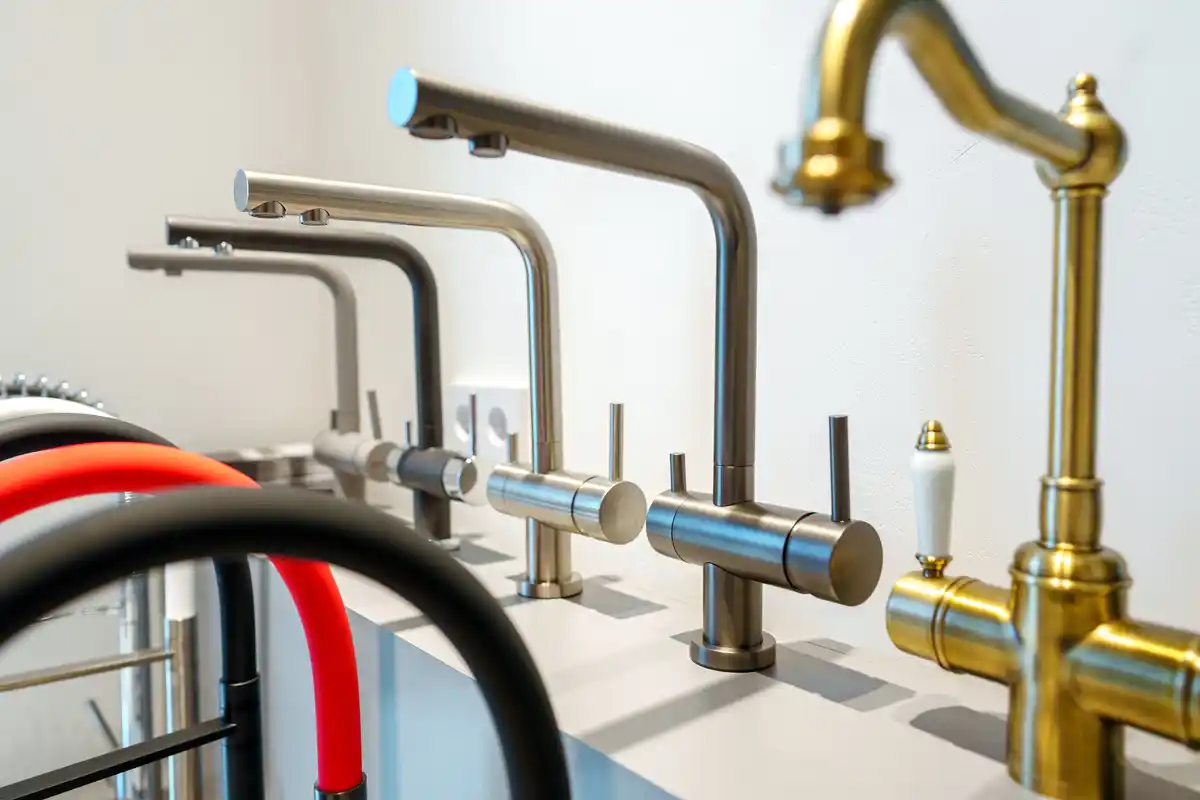
Common finishes include chrome, brushed nickel, matte black, bronze, and brass. While chrome typically offers the lowest price point, special finishes can add $50-150 to the cost. Consider how the faucet will coordinate with other fixtures and hardware in your kitchen or bathroom when deciding if premium finishes make touchless faucets worth the investment for your home.
Frequently Asked Questions About Touchless Faucets
Many homeowners have questions about whether touchless faucets are worth the investment. Here are answers to the most common inquiries.
How long do touchless faucets typically last?
Quality touchless faucets typically last 15-20 years with proper maintenance. The mechanical components often last as long as traditional faucets, while electronic parts may need replacement sooner. Most manufacturers offer warranties ranging from 5-10 years, providing assurance that touchless faucets are worth the investment from a longevity perspective.
Do touchless faucets work during power outages?
Battery-operated touchless faucets continue working during power outages, making them worth the investment for areas with unreliable electricity. AC-powered models typically stop functioning unless they have battery backups. Some higher-end models include manual override features that allow traditional operation when power is unavailable.
Can touchless faucets be installed in any sink?
Most touchless faucets can be installed in standard sinks with the typical 1-3 hole configurations. However, the sink design and counter thickness may affect installation. Undermount sinks generally work well with touchless models, while vessel sinks might require special consideration. Consulting with a plumber before purchase ensures touchless faucets are worth the investment for your specific sink setup.
Are touchless faucets difficult to maintain?
Touchless faucets require slightly more maintenance than traditional faucets, but are not difficult to care for. Regular cleaning of sensors, occasional battery replacement, and periodic check-ups are typically all that’s needed. Most users find that this minimal additional maintenance makes touchless faucets worth the investment, given their benefits.
Do touchless faucets really save water?
Yes, studies show touchless faucets typically reduce water usage by 15-30% compared to manual faucets. This conservation occurs because they eliminate running water while soaping hands, prevent children from leaving water running, and often have built-in flow restrictors. These water savings make touchless faucets worth the investment both environmentally and financially.
Why Touchless Faucets Are Worth The Investment For Your Home
After examining all aspects of touchless faucets, it’s clear they offer substantial value for most homeowners. While the initial cost is higher than traditional models, the combination of hygiene benefits, water conservation, convenience, and long-term savings makes touchless faucets worth the investment.
For families with children, elderly individuals, or anyone concerned about hygiene, the hands-free operation provides significant advantages. The water and energy savings can offset the higher purchase price over the faucet’s lifespan. Modern touchless models have also overcome many of the reliability issues of earlier generations, offering dependable performance with minimal maintenance.
As technology continues to improve and prices gradually decrease, touchless faucets are becoming increasingly accessible to average homeowners. Whether you’re building a new home, renovating a kitchen or bathroom, or simply upgrading fixtures, touchless faucets are worth the investment for their blend of practical benefits and modern convenience.
Ready to experience the benefits of touchless technology in your home? Contact our Precision Plumbing today to discuss the best touchless faucet options for your specific needs and budget. Our team can help with selection, installation, and ongoing support to ensure you get the maximum value from this smart home upgrade.