



Breathe Easier, Protect Pipes: Why Humidity Matters
Humidity is not just about dry skin and sore throats. The moisture in your indoor air also affects the plumbing you rely on every day. In a city like Calgary, where winters are long, cold, and very dry, that matters a lot for both homes and commercial buildings.
Forced air heating pulls moisture from the air, your body, and even the materials in your home. When indoor air is too dry for too long, it can start to affect plumbing parts that are supposed to stay flexible and sealed. Rubber, plastics, and sealants all react to low humidity in ways that can cause trouble over time.
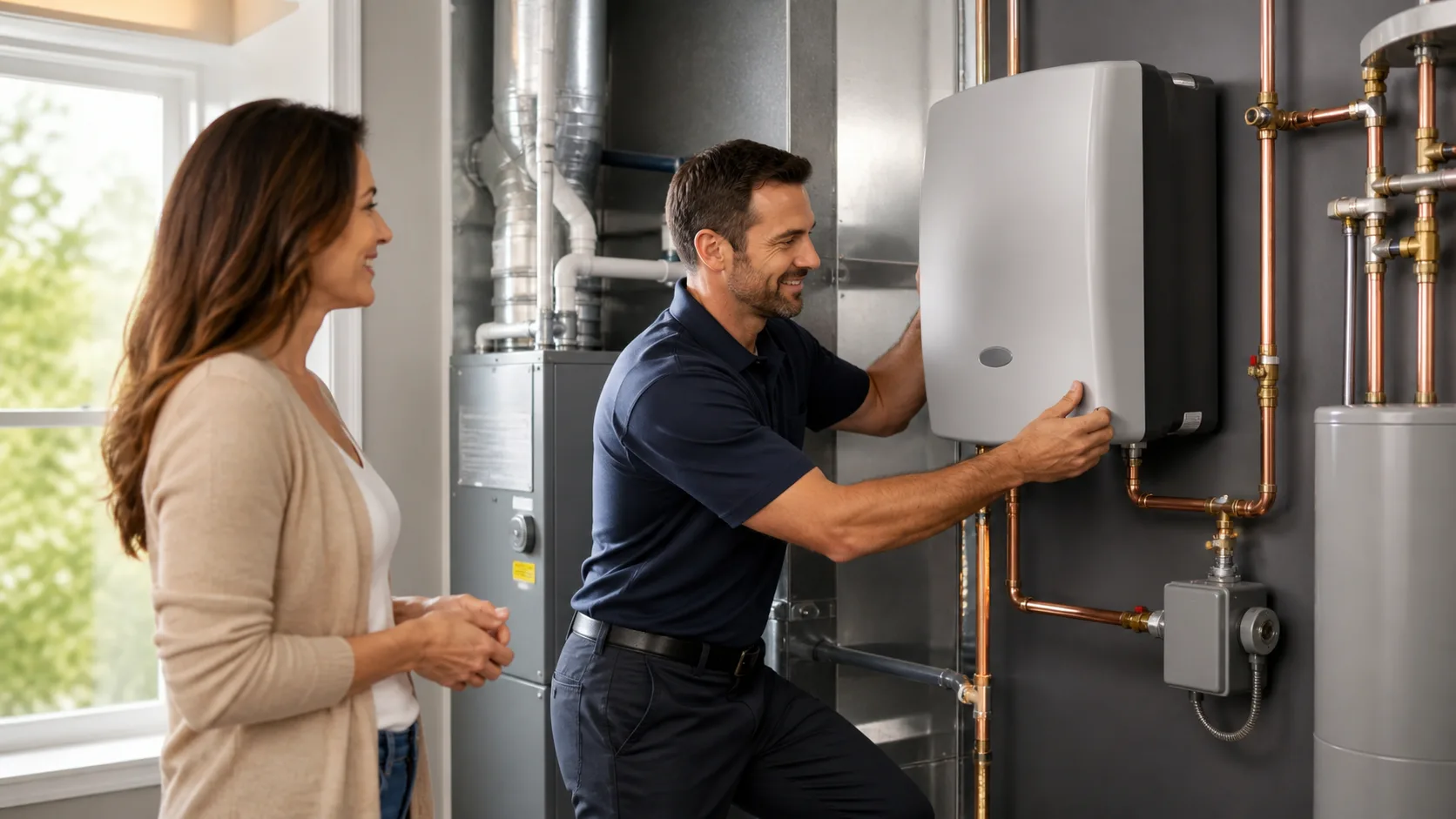
That is where professional humidifier installation comes in. A properly sized and installed whole-home humidifier is a small upgrade that can quietly protect your plumbing system, your water-using appliances, and even your future renovation plans, while also making your indoor air more comfortable to breathe.
How Dry Calgary Air Damages Your Plumbing
When air is dry, it tries to pull moisture from anything around it. That includes the rubber and plastic parts that help your plumbing stay watertight. Over months and years, this can lead to wear that you may not see until a leak shows up.
Common parts that feel the impact of dry air include.
- Rubber washers in taps and shower valves
- Toilet flappers that keep water inside the tank
- Faucet cartridges and O-rings
- Flexible supply lines under sinks and to toilets
Low humidity can cause these pieces to shrink, harden, and crack. Once they lose their flexibility, they no longer press tightly against metal or plastic surfaces. That is when you start to see drips, running toilets, or taps that will not quite shut off.
Plastic fittings and threaded connections can also react to dry conditions. As materials contract, tiny gaps can open up in:
- Plastic P-traps under sinks
- Threaded fittings on water lines
- Joints hidden behind walls or in ceilings
- Connections around water heaters or mechanical rooms
These gaps may start as slow, hidden leaks. By the time a stain shows on a ceiling or a musty smell appears in a basement, water may have been escaping for quite a while.
Seasonal changes can add even more stress. In late fall and early spring, temperature and humidity can swing quickly between mild and very dry. That constant expansion and contraction puts extra strain on older fixtures, commercial washrooms that see heavy use, and plumbing in multi-unit buildings where systems are already working hard.
How Humidifier Installation Extends Plumbing Lifespan
Humidifier installation is not just about comfort, it is about stability. When indoor humidity stays in a balanced range, plumbing parts made of rubber, silicone, and plastic tend to stay more flexible and consistent in size.
That means:
- Fewer cracked toilet flappers and worn-out faucet washers
- Shut-off valves that keep their seals longer
- Supply lines that are less likely to become brittle
- Caulking and sealant around tubs and sinks that holds better
With balanced humidity, joints do not loosen as quickly, and seals do not dry out as fast. That can help reduce small but annoying issues like constant re-caulking around tubs and sinks, or repeated tightening of the same leaking joint under a sink.
In tight plumbing spaces, tiny movements matter. Stable humidity can lower the chances of pinhole leaks in spots where pipes pass through framing or where fittings are packed into small chases and walls. Those are the leaks that are often the hardest to spot before they cause damage.
Over time, a healthier indoor humidity level can also mean:
- Fewer emergency service visits for leaks and drips
- Longer gaps between fixture replacements
- More predictable maintenance planning for homeowners and property managers
Instead of reacting to dried-out parts after they fail, you support the whole system so it lasts longer and behaves more predictably.
Hidden Plumbing Bonuses of Healthy Indoor Humidity
Your plumbing does not sit alone in your home, it is fastened to wood, tucked into cabinets, and run through floors and walls. When indoor air is very dry, those building materials can shrink, shift, or warp, which puts extra stress on attached pipes and fittings.
Balanced humidity helps keep:
- Cabinet boxes around sinks more stable
- Subfloors under tubs, showers, and dishwashers flatter
- Wall framing around plumbing stacks and vent lines more consistent
When these materials stay closer to their intended size, they put less strain on pipes, fittings, and caulk lines. That means fewer cracked joints behind sinks or tubs and fewer surprises during future renovations.
Healthy humidity also changes how dust and static behave. Dry air lets dust stay airborne longer, and static can attract it to intake grilles and vent openings. With better moisture levels, you often get:
- Less dust clinging to furnace and HRV vents
- Cleaner air intakes for hot water tanks and high-efficiency boilers
- Fewer airflow restrictions that can cause some systems to run hotter than they should
Another quiet bonus is comfort. With a humidifier helping the air feel warmer at lower temperatures, many people find they can set their thermostat a bit lower in winter. That can lead to fewer extreme temperature swings in basements and mechanical rooms, which is easier on both plumbing and heating equipment.
Planning Humidifier Installation During Renovations
The best time to think about humidifier installation is when work is already happening around your plumbing or heating system. When walls are open and equipment is being upgraded, it is much easier to add or improve a whole-home humidifier.
Good times to plan for it include:
- Plumbing renovations in kitchens, bathrooms, or mechanical rooms
- Furnace replacement or heating system upgrades
- Basement developments where ductwork and piping are exposed
A licensed plumber can look at your current setup and help you choose the right style of humidifier to match it. Common options are:
- Bypass humidifiers that use existing airflow in the ductwork
- Fan-powered units that move air through the humidifier on their own
- Steam humidifiers that add moisture directly using heated water
The right choice depends on your furnace, duct layout, plumbing, and local water quality. It is also important to follow local codes and safety rules. Proper drain connections, backflow prevention, and correct shut-off valves help keep the system safe and protect your drinking water.
Correct sizing and placement are just as important as the type of unit. If a humidifier is too large or not installed properly, it can lead to over-humidifying, condensation on windows, or moisture in walls and ducts. When it is planned and installed by a professional, you get the benefits of healthy humidity without those risks.
Protect Your Home Comfort and Plumbing This Winter
As dry weather moves in, it helps to think about both comfort and protection. A pre-winter check of your plumbing and humidifier can catch dried-out seals, aging fixtures, and poorly performing units before they lead to leaks or cold-weather headaches.
At Precision Plumbing, we work with Calgary homeowners and property managers to keep plumbing systems and humidifiers running smoothly through our dry seasons. A professional look at your fixtures, valves, and humidity control can support both your comfort and the long-term health of your plumbing system.
Get Started With Your Project Today
If you are ready to improve your home’s comfort and air quality, our team can help with professional humidifier installation tailored to your space. At Precision Plumbing, we take the time to assess your home, explain your options and complete the work to high standards of safety and reliability. Reach out to us today through our contact page to schedule a visit or request a quote.