



Let’s face it—no one wants to wake up to a flooded basement. This nightmare can quickly become a reality in Calgary’s flood-prone areas, especially around the Bow and Elbow rivers. If you’ve got a basement (and if you live in Calgary, you probably do), your sump pump is your first line of defense. But what happens when that crucial pump fails? Spoiler alert: it’s not pretty. Luckily, with the right knowledge and a few preventive steps, you can keep your home high and dry.
Why Calgary Homeowners Need to Pay Attention to Sump Pump Failures
Flooding is no stranger to Calgary. With the city’s unique geography and proximity to major rivers, basement flooding is a real threat—especially during spring thaws and heavy rains. And here’s the kicker: water damage isn’t cheap. The average cost to repair a flooded basement? A whopping $43,000. Ouch.
That’s where your sump pump comes in. It’s designed to channel water away from your home’s foundation, keeping your basement dry even in the worst conditions. But like any piece of equipment, sump pumps can fail. When they do, the results can be disastrous.
What Causes Sump Pump Failure?
There are a few common culprits when it comes to sump pump failure:
- Lack of Maintenance: Think of your sump pump like your car—it needs regular care. Without maintenance, the pump can clog, wear out, or just stop working when you need it most.
- Power Outages: Calgary’s stormy weather can knock out the power, and guess what? No power means no pump. Unless you have a backup system, you’re in for a soggy surprise.
- Pump Overload: If your sump pump is undersized or old, it might struggle to keep up with heavy water flow. It could overheat or cycle on and off too frequently, both of which spell trouble.
- Aging Equipment: Sump pumps don’t last forever. On average, they need to be replaced every 8-12 years. If yours is pushing a decade, it’s time to consider an upgrade.
How to Protect Your Home from Sump Pump Failure
Here’s the good news—you don’t have to sit back and hope your sump pump makes it through the next storm. You can take plenty of steps to prevent failure and avoid costly water damage.
1. Regular Maintenance is a Must
Your sump pump is only as reliable as the care you give it. With a bit of routine maintenance, you can keep it in top shape:
- Inspect and Clean: Every few months, check your pump and pit for debris that could cause blockages. Clear away dirt, gravel, and any gunk that might clog the system.
- Test It Out: Pour a bucket of water into the sump pit to make sure the pump kicks on and drains the water properly. If it doesn’t, it’s time to troubleshoot or call a professional.
- Know When to Replace: If your sump pump is between 8 and 12 years old, it’s nearing the end of its lifespan. Replacing it before it fails is much cheaper than dealing with a flooded basement.
2. Backup Systems: Your Basement’s Insurance Policy
A backup plan is essential, especially in flood zones. Here are a few ways to add an extra layer of protection:
- Install a Secondary Pump: A second sump pump can act as a fail-safe if the primary one malfunctions or gets overwhelmed by water. This backup kicks in when your first pump can’t keep up.
- Battery-Powered Backup: In the event of a power outage (common during storms), a battery-powered backup pump takes over. It’s like having a generator for your sump pump—keeping it running when the lights go out.
- Water Alarms: These handy devices alert you if water levels rise in your sump pit. It’s an early warning system that gives you time to act before things get out of hand.
3. Additional Flood Prevention Tips
Don’t rely on your sump pump alone to keep water at bay. There are other measures you can take to safeguard your basement:
- Check Your Home’s Grading: Your yard should slope away from your home, directing rainwater away from the foundation. If water pools around your house, you’re asking for trouble.
- Install Backflow Valves: These valves prevent sewage from backing up into your home during heavy rains, keeping things clean where they should be.
- Elevate Valuables: Keep important items off the basement floor to avoid damage in the event of a minor flood. Use shelves or storage units to keep things safe and dry.
- Water Damage Insurance: Consider adding extra coverage for water damage to your home insurance policy. Trust us—it’s worth the peace of mind.
Warning Signs of a Failing Sump Pump
Not sure if your sump pump is on its last legs? Keep an eye out for these tell-tale signs:
- Frequent Cycling: If your pump constantly turns on and off, it could mean it’s not powerful enough for the job.
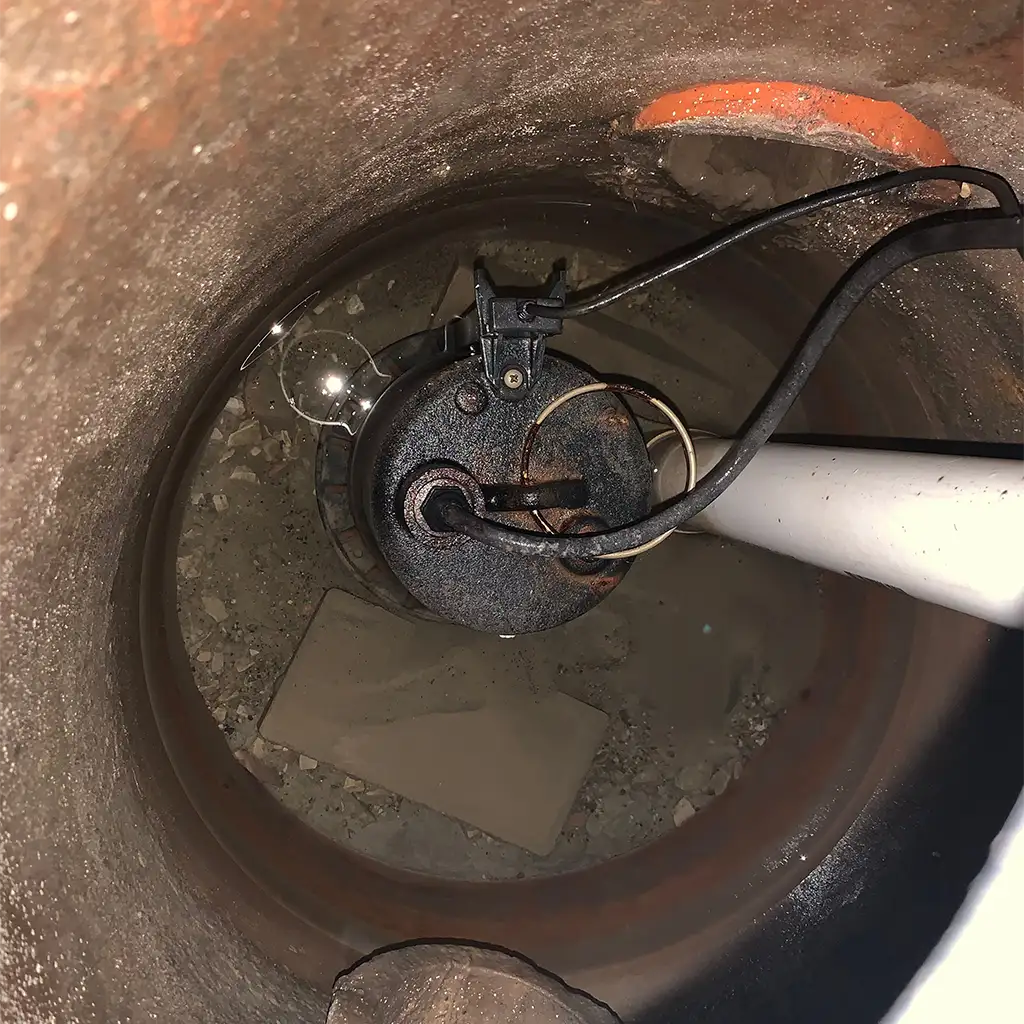
- Rust and Corrosion: Visible rust or damage can compromise the pump’s ability to function. If it looks worse for wear, it’s time for a replacement.
- Weird Noises: Grinding, rattling, or other unusual sounds could be a sign that your pump’s motor is struggling. Don’t ignore strange noises—get them checked out.
- Ineffective Water Removal: If your pump isn’t clearing water as fast as it used to, it might be time for a new one. Slow or incomplete drainage is a red flag.
Don’t Wait for a Flood to Take Action
Sump pump failure can turn your basement into a wading pool faster than you’d think. But by staying on top of maintenance, investing in a backup system, and watching for warning signs, you can prevent disaster before it strikes. At Precision Plumbing, we’re experts in protecting Calgary homes from water damage. Whether you need a sump pump inspection, maintenance, or a new system installation, we’ve got your back.
Want to keep your home dry? Contact us today to schedule a sump pump check-up and ensure you’re ready for whatever Calgary’s weather throws your way.