



How to Tell If Your Pipes Are About to Freeze in Calgary Winters
When temperatures drop in Calgary, your pipes are about to freeze if you notice unusual sounds like whistling or banging, see frost on exposed pipes, experience reduced water flow, or feel unusually cold air near plumbing areas. Other warning signs include water pressure changes and strange odors from drains. Acting quickly when you spot these signs can prevent costly pipe bursts and water damage. The risk is highest when outdoor temperatures fall below -15°C, especially in poorly insulated areas of your home.
Table of Contents
| Warning Sign | What It Means | Risk Level |
|---|---|---|
| Unusual sounds (whistling, banging) | Water beginning to freeze and expand | High – Immediate action needed |
| Frost on visible pipes | Freezing has begun | High – Immediate action needed |
| Reduced water flow | Partial blockage from ice forming | Medium – Action needed soon |
| Cold drafts near pipes | Insulation issues allowing freezing air | Medium – Preventative action needed |
| Water pressure changes | Partial freezing affecting flow | Medium – Monitor closely |
Common Warning Signs Your Pipes Are About to Freeze
Calgary winters can be brutal on your home’s plumbing. Knowing the early warning signs that your pipes are about to freeze can save you from expensive repairs and water damage. Let’s look at the most common indicators that trouble is brewing in your pipes.
Unusual Sounds Coming From Pipes
If you hear strange noises coming from your plumbing system, your pipes are about to freeze. Listen for:
– Whistling or high-pitched sounds
– Banging or clanking noises
– Gurgling sounds when using water
These noises happen because water expands as it freezes, putting pressure on your pipes. The sounds are actually water trying to flow through partially frozen sections.
Frost on Visible Pipes
One of the clearest signs your pipes are about to freeze is frost forming on exposed pipes. Check areas like:
– Under sinks
– In basements
– In crawl spaces
– Pipes running along exterior walls
If you see white frost or ice crystals forming on the outside of pipes, freezing has already begun. This is a serious warning sign that requires immediate attention.
Reduced Water Flow
When you turn on a faucet and get only a trickle of water, your pipes are about to freeze or have already started freezing. Ice forming inside the pipe creates a blockage that restricts water flow.
This warning sign is especially common in the morning after a very cold night. Check all faucets in your home to see if the problem is isolated to one area or affecting your entire plumbing system.
Cold Drafts Near Plumbing Areas
Feel around areas where pipes run near exterior walls or in unheated spaces. If you notice unusual cold spots or drafts, your pipes are about to freeze due to poor insulation.
Cold air leaking into these spaces can quickly drop the temperature around your pipes below freezing. These drafts are often found near:
– Windows and doors
– Vents and air returns
– Cracks in walls or foundations
– Areas where pipes enter your home
Less Obvious Signs Your Pipes Are About to Freeze
Beyond the common warning signs, there are subtler indicators that your pipes are about to freeze. These can be easy to miss but are just as important to recognize.
Changes in Water Pressure
Before your pipes freeze completely, you might notice changes in water pressure throughout your home. This happens because ice is beginning to form inside the pipes, creating partial blockages.
You might experience:
– Inconsistent pressure when showering
– Toilets that don’t refill properly
– Washing machines taking longer to fill
These pressure changes often happen before you notice reduced water flow, making them an early warning that your pipes are about to freeze.
Strange Odors from Drains
Unusual smells coming from drains can indicate that your pipes are about to freeze. When ice begins forming in pipes, it can trap air and sewer gases that would normally flow through.
These odors might smell like:
– Rotten eggs
– Sewage
– Musty or stagnant water
If you notice these smells during cold weather, especially from drains you use regularly, it could mean ice is forming in your drainage pipes.
Unusually Cold Water Temperature
If your cold water feels colder than usual or your hot water takes longer to heat up, your pipes are about to freeze. This happens because the water is passing through very cold sections of pipe before reaching your faucet.
Pay attention to this sign especially in the morning or after being away from home for several hours during cold weather.
Where Pipes Are Most Likely to Freeze
In Calgary’s harsh winters, certain areas of your home are more vulnerable to freezing pipes than others. Knowing these high-risk zones helps you monitor the right places when temperatures drop.
Exterior Walls and Unheated Areas
Pipes running through exterior walls or unheated spaces are most likely to freeze. These include:
– Pipes in exterior wall cavities
– Plumbing in garages
– Water lines in crawl spaces
– Pipes in attics or roof spaces
These areas lack the warmth from your home’s heating system, making them especially vulnerable when your pipes are about to freeze.
North-Facing Walls
In Calgary, north-facing walls receive less sunlight and stay colder than other parts of your home. Pipes located in these walls freeze more easily during cold snaps.
Check faucets and fixtures on the north side of your home more frequently during cold weather. These are often the first places where your pipes are about to freeze.
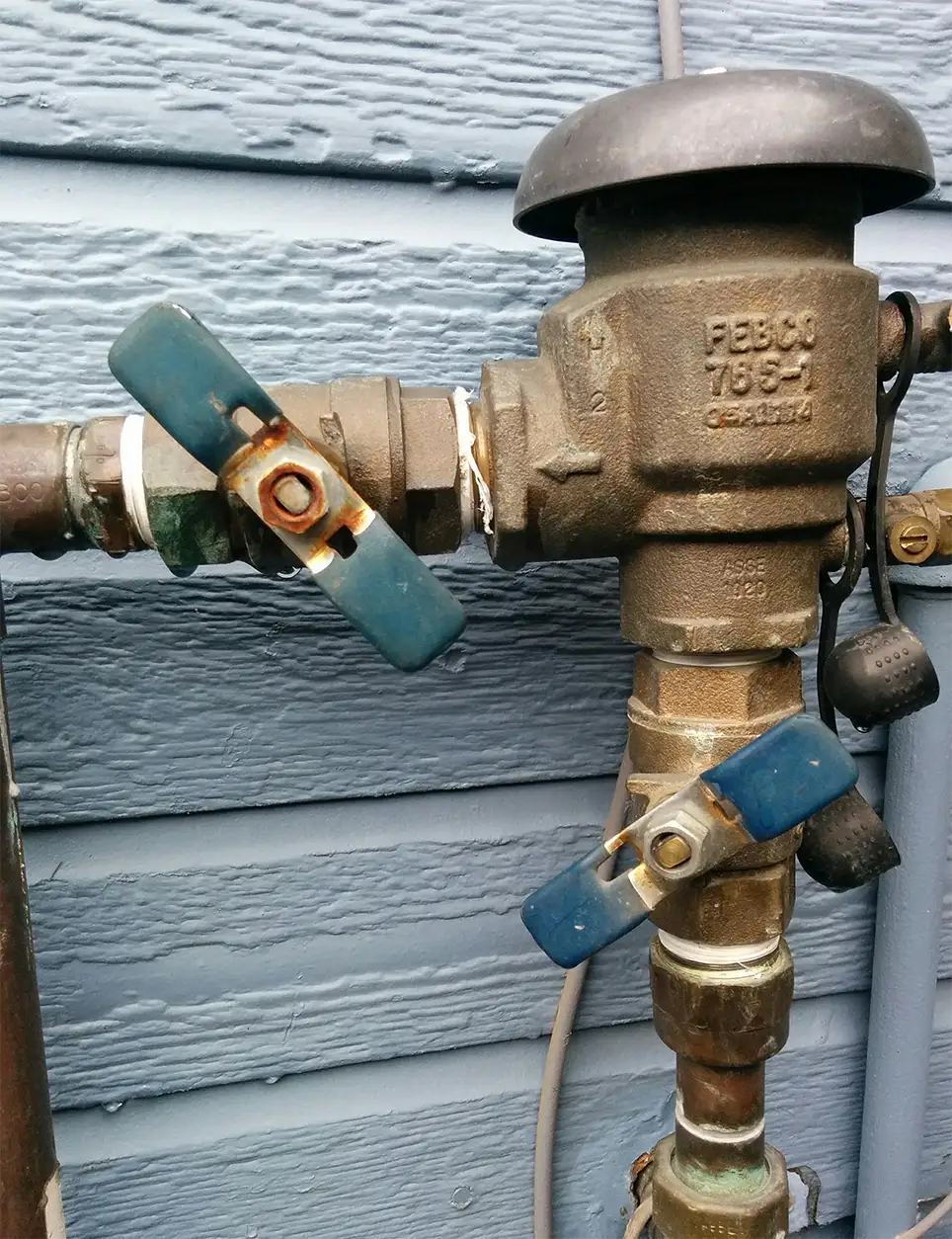
Outdoor Faucets and Sprinkler Systems
Outdoor water sources are extremely vulnerable to freezing. This includes:
– Garden hose connections
– Sprinkler system pipes
– Outdoor kitchen plumbing
– Pool equipment lines
These exposed pipes are directly affected by outdoor temperatures and are often the first to freeze during Calgary winters.
Temperature Thresholds: When Your Pipes Are About to Freeze
Understanding the critical temperature points helps you know when your pipes are about to freeze. Calgary’s winter temperatures regularly drop below these thresholds.
The Danger Zone: -15°C and Below
When outdoor temperatures fall to -15°C (5°F) or lower, your pipes are about to freeze if they’re not properly protected. At these temperatures, the freezing process can happen quickly, sometimes within hours.
In Calgary, we regularly see temperatures much colder than this during winter months. When the forecast predicts these temperatures, it’s time to take preventive action.
Duration Matters: Extended Cold Periods
It’s not just how cold it gets, but how long it stays cold. Your pipes are about to freeze when:
– Temperatures stay below -10°C for more than 24 hours
– Overnight lows consistently reach -20°C or lower
– Cold snaps last for several days without warming
Extended cold periods give the freezing temperatures time to penetrate deeper into your home’s structure, reaching pipes that might otherwise be protected.
Immediate Actions When Your Pipes Are About to Freeze
If you notice signs that your pipes are about to freeze, taking quick action can prevent a burst pipe and expensive water damage. Here are steps you can take right away.
Keep Faucets Running
One of the most effective ways to prevent freezing is to keep water moving through the pipes. When you suspect your pipes are about to freeze:
– Turn on faucets connected to vulnerable pipes
– Allow a small stream of water (about the width of a pencil) to run
– Keep both hot and cold water flowing if possible
Moving water is much harder to freeze than standing water. Even a trickle can prevent ice from forming completely inside the pipe.
Apply Heat to Vulnerable Areas
Warming the areas where your pipes are about to freeze can stop the freezing process. Safe methods include:
– Using a hair dryer to blow warm air on pipes
– Wrapping pipes with heating pads (on low setting)
– Placing space heaters near cold areas (keeping them away from flammable materials)
– Using heat lamps directed at exposed pipes
Never use open flames like propane torches, kerosene heaters, or charcoal stoves to thaw pipes. These create fire hazards and can damage your pipes.
Open Cabinet Doors
For pipes under sinks or in cabinets against exterior walls, opening the cabinet doors allows warmer room air to circulate around the plumbing. This simple step can raise the temperature just enough to prevent freezing.
This works especially well in kitchens and bathrooms, where pipes are often hidden in cabinets against cold exterior walls.
Preventative Measures to Protect Your Pipes
Taking steps before your pipes are about to freeze is the best way to avoid problems. These preventative measures can save you from emergency situations during Calgary’s coldest days.
Proper Pipe Insulation
Insulating your pipes is one of the most effective ways to prevent freezing. Options include:
– Foam pipe sleeves that slip over exposed pipes
– Fiberglass insulation wrapped around pipes
– Heat tape or heat cables that can be wrapped around pipes
Focus on pipes in unheated areas like basements, crawl spaces, attics, and garages. Don’t forget pipes running along exterior walls, which are also vulnerable when temperatures drop.
Seal Air Leaks Around Your Home
Cold air leaking into your home can cause your pipes to freeze. Seal gaps and cracks in these areas:
– Around windows and doors
– Where pipes enter your home
– In foundation walls
– Around electrical wiring
– Near dryer vents and exhaust fans
Use caulk, spray foam, or weatherstripping to seal these leaks. This not only protects your pipes but also improves your home’s energy efficiency.
Maintain Consistent Indoor Temperature
Keeping your home at a steady temperature helps prevent your pipes from freezing. Even when you’re away:
– Keep your thermostat set to at least 15°C (60°F)
– Avoid setting back the temperature at night
– Use a smart thermostat to maintain temperatures remotely
The small increase in heating costs is much less than the expense of repairing burst pipes and water damage.
Professional Solutions for Freeze-Prone Plumbing
Sometimes DIY measures aren’t enough to protect pipes that frequently freeze. Professional plumbing solutions offer more permanent protection.
Pipe Rerouting Options
A plumber can reroute pipes that are particularly vulnerable to freezing. This might involve:
– Moving pipes away from exterior walls
– Relocating plumbing to more insulated areas
– Redesigning pipe layouts to avoid cold spots
While this is a more expensive solution, it provides permanent protection for pipes that are about to freeze every winter.
Installing Heat Trace Systems
Heat trace systems (also called heat tape or heat cable) can be professionally installed to protect vulnerable pipes. These systems:
– Automatically turn on when temperatures drop
– Provide consistent heat along the entire pipe
– Can be controlled by thermostats for efficiency
Professional installation ensures the system works properly and safely, especially for pipes that are difficult to access.
Frequently Asked Questions About Freezing Pipes
How quickly can pipes freeze in Calgary winters?
In Calgary’s extreme cold, exposed pipes can begin freezing in as little as 3-6 hours when temperatures drop below -15°C. Pipes with some insulation might take longer, but can still freeze overnight during severe cold snaps. The freezing process happens faster in pipes with standing water than in those with moving water.
Can pipes freeze even if my heat is on?
Yes, your pipes are about to freeze even with your heating system running if they’re located in poorly insulated areas or exterior walls. The temperature inside wall cavities or crawl spaces can be much colder than your living spaces. This is why pipes can freeze even when your home feels warm.
What should I do if my pipes have already frozen?
If your pipes have frozen but haven’t burst yet, you can:
1. Turn on the affected faucet to release pressure
2. Apply gentle heat using a hair dryer, heating pad, or towels soaked in hot water
3. Continue applying heat until full water pressure returns
4. Never use an open flame to thaw pipes
If a pipe has burst, turn off your main water valve immediately and call a professional plumber.
Does homeowner’s insurance cover damage from frozen pipes?
Most homeowner’s insurance policies cover water damage from burst pipes, but coverage may be denied if your home was left unheated or if you failed to take reasonable precautions when your pipes are about to freeze. Check your specific policy and maintain proof that you’ve taken steps to prevent freezing.
Protecting Your Home This Winter
Calgary’s winters can be tough on your plumbing system. Knowing the warning signs that your pipes are about to freeze gives you valuable time to prevent costly damage.
Remember to check vulnerable areas regularly during cold snaps, especially pipes along exterior walls, in unheated spaces, and on the north side of your home. Keep water flowing, maintain consistent indoor temperatures, and ensure proper insulation around your plumbing.
Taking preventative measures before problems occur is always easier and less expensive than dealing with burst pipes and water damage. If you’re concerned about your home’s plumbing during winter, don’t wait until your pipes are about to freeze to take action.
For professional help protecting your plumbing system this winter, contact Precision Plumbing. Our experienced technicians can identify vulnerable areas in your home and recommend the best solutions to keep your pipes flowing safely all winter long. Book an appointment today to ensure your home stays warm and dry through Calgary’s coldest months.