




Breathe Better in Calgary: Do You Really Need a Humidifier?
Dry air is a fact of life in Calgary, but that does not always mean a humidifier is the right answer. Before anyone cuts into ductwork or plugs in another appliance, it helps to slow down and ask one simple question: what is the humidity in your home right now?
At Precision Plumbing, we see people rush into humidifier installation because the air feels dry or their lips are chapped. Sometimes a humidifier helps a lot. Other times, it is the wrong fix and it can even create new problems like window condensation or mould. In this article, we will walk through how Calgary’s climate affects indoor moisture, the signs your humidity is off, how to test it properly, and how to decide what type of humidifier, if any, makes sense for your home or business.
How Calgary’s Climate Messes with Indoor Moisture
Calgary sits on the prairie with cold, dry winters and hot summers that can be smoky and dusty. The temperature swings are large, and our heating season is long. All of that has a big impact on how much moisture your indoor air can hold.
Here’s what often happens in local homes and buildings:
- In winter, forced-air furnaces heat cold outdoor air, which drops the relative humidity.
- In summer, AC units cool the air and pull moisture out of it
- In spring and fall, chinooks and quick weather shifts make humidity bounce up and down
If your home is newer and tightly sealed, it tends to hold onto moisture longer. That can be good in winter, because the air stays less dry. It can also be a problem if a humidifier is added without testing, because humidity can build up and cause condensation or mould in hidden spots.
Older, draftier homes usually leak more outdoor air, so they often feel extremely dry in winter. In these spaces, humidifier installation might help, but the leaks and insulation issues still matter. Without fixing those, you may end up overworking any humidity system.
Commercial spaces in Calgary are a different story again. Offices, retail shops, and restaurants often have:
- Larger HVAC systems
- Higher occupancy at certain times of day
- Extra moisture from cooking, equipment, or cleaning
Those factors can make some rooms too dry and others too damp, even in the same building. That is why we always recommend looking at the full picture before adding new humidity equipment.
Signs Your Home Humidity Is Out of Balance
Most people first notice humidity problems through comfort issues, not numbers on a screen. Low humidity is common here, and it can show up as:
- Dry, itchy skin and chapped lips
- Static shocks when you touch doorknobs or laundry
- Sore throats, dry eyes, or nosebleeds
- Cracking hardwood floors or gaps in trim
- Wooden furniture or musical instruments moving out of tune
High humidity is less common in Calgary, but it does happen, especially in tight homes, basements, and busy commercial kitchens. Signs of too much moisture include:
- Water droplets or fog on windows, especially in the corners
- Musty or damp smells, often in basements or closets
- Peeling paint or bubbling drywall
- Visible mould on walls, bathroom caulking, or window sills
- Allergy or breathing issues that seem worse indoors
It is easy to blame everything on dry air, but some symptoms can come from other problems, such as poor ventilation, dust, or temperature swings. This is why “it feels dry” is not enough proof on its own. A simple self-check of your space, along with basic humidity measurements, should always come before you decide on humidifier installation or dehumidification.
How to Test Your Humidity Before Installing Anything
Before anyone drills, cuts, or buys a new unit, grab some numbers. A small digital hygrometer is an easy way to do that. These simple devices tell you the relative humidity in a room.
We suggest placing hygrometers in:
- At least one main living area
- The primary bedrooms
- The basement or lowest level
Check and log the readings for one to two weeks. Try to note the time of day and what is happening in the home. Cooking, boiling water, showering, drying clothes indoors, watering plants, or even running a portable humidifier can all bump the numbers up.
For most Calgary homes, a range of about 30 to 50 percent relative humidity is usually comfortable. Once you go much above 50 to 55 percent for long periods, mould and dust mites can become a risk, especially in cooler corners and basements.
It is also smart to compare readings during:
- Cold snaps in winter
- Chinook warm-ups
- Hot summer days with AC running
- Mild shoulder season days with windows open
This gives a better picture of how your home behaves across different conditions. If the numbers are unclear or you see big swings, a professional plumber or HVAC technician can bring more accurate tools and also inspect ducts, vents, and plumbing. That kind of check can confirm whether humidifier installation is appropriate or if other fixes make more sense.
Choosing the Right Humidifier for Your Calgary Home
If your testing shows you really do need extra moisture, the next step is choosing the right style of humidifier.
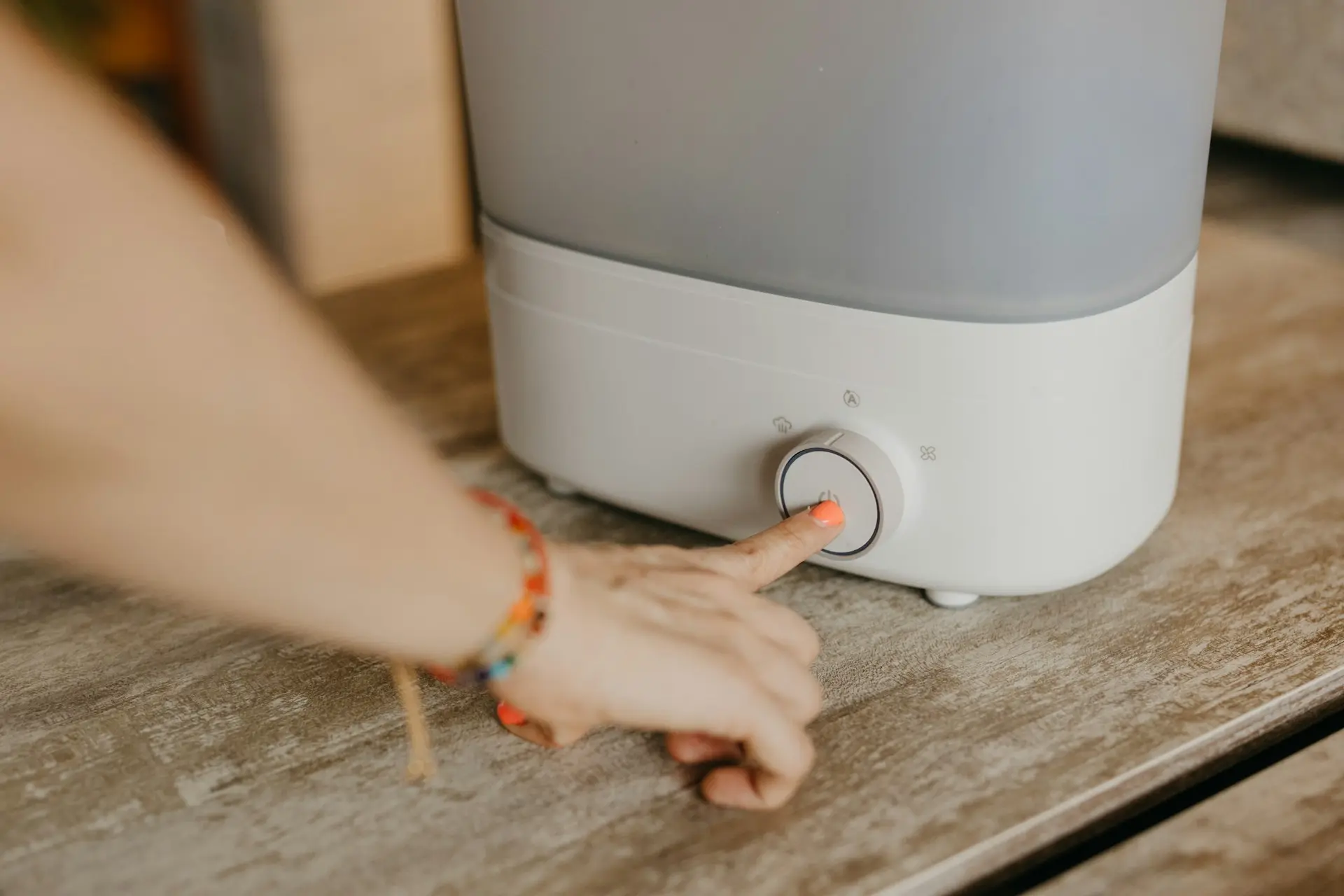
Portable units sit in one room and plug into a regular outlet. They can be a good starting point if:
- You only need help in one or two spaces, like bedrooms
- You are renting and cannot change the furnace
- You want to test how added humidity feels before a bigger upgrade
The tradeoffs are that they need to be refilled, cleaned often, and they only treat a limited area. Some can also be a bit noisy.
Whole-home humidifiers are installed on the ductwork near your furnace and connect to your plumbing system. The main types are:
- Bypass units that use the furnace blower to move air through a water panel
- Fan-powered units that have their own built-in fan
- Steam units that boil water and send steam into the ducts
These systems are better suited to Calgary’s long, dry heating season, because they can add moisture to all rooms that get furnace heat. But the details matter. Proper sizing, correct drainage, and backflow protection are key. Without that, you can run into leaks, corrosion, or mould inside ductwork and around the furnace.
Many local homeowners ask if a humidifier can:
- Help protect hardwood floors and furniture
- Cut down on static shocks in winter
- Make chinook temperature swings feel less harsh
The honest answer is yes, a well-set-up system can help with all of these, but it is not magic. If your home has big air leaks, poor insulation, or serious ventilation issues, those also need attention. A humidifier is one tool, not the whole fix.
Protect Your Home and Health with Smart Humidity Choices
Once you have a couple of weeks of hygrometer readings and a list of the comfort issues you notice, patterns usually start to appear. Maybe the main floor is fine but the bedrooms are too dry at night. Maybe the basement is already damp while the upstairs feels like a desert. That kind of detail is important before anyone talks about humidifier installation.
We recommend doing a quick humidity check before winter heating ramps up, then again in late spring and mid-summer as the weather and your HVAC use change. This simple habit can protect your home finishes, your indoor air, and your plumbing system for the long run.
As a Calgary-based plumbing company, we at Precision Plumbing help homeowners and property managers look at humidity as part of the bigger picture. When we assess a space, we consider plumbing, fixtures, drains, and how any new humidifier would tie into the existing systems. Sometimes that means recommending a whole-home unit, sometimes a portable option, and sometimes an alternative like better ventilation or moisture control in specific rooms.
The goal is not just to add equipment, but to find the setup that keeps your home or business comfortable, safe, and working properly through every season we get here.
Get Started With Your Project Today
If you are ready to improve your home’s comfort and air quality, we can help you choose and install the right system for your space. Our licensed plumbers handle every step of your humidifier installation, from sizing and placement to testing and cleanup. Reach out to Precision Plumbing today to discuss your needs or schedule a visit, or use our contact page to request a quote.