




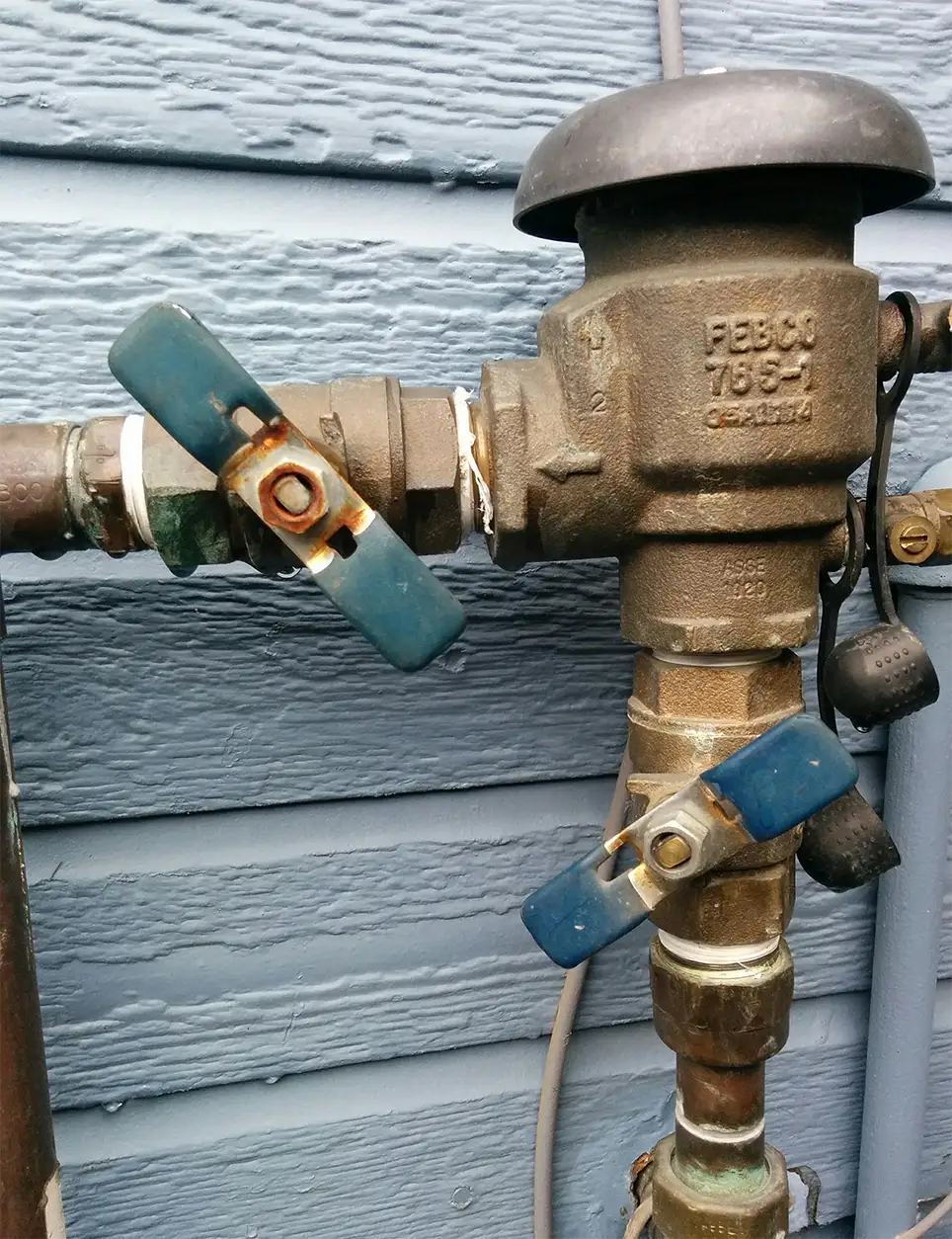
Why Are My Pipes Making Knocking Sounds? Understanding Noisy Pipe Knocking Causes
Noisy pipe knocking causes range from water hammer and high water pressure to loose pipes and mineral buildup. These sounds happen when water flow changes suddenly or pipes aren’t properly secured.
Most knocking noises can be fixed by installing water hammer arrestors, adjusting water pressure, securing loose pipes, or cleaning mineral deposits. If the knocking persists after trying simple fixes, it’s best to call a professional plumber to prevent potential water damage.
Table of Contents
What Causes Knocking Pipes?
Have you ever been startled by a loud knocking sound coming from your walls after turning off a faucet? Those noisy pipes aren’t just annoying—they’re trying to tell you something about your plumbing system.
Pipe knocking happens when something disrupts the normal flow of water through your home’s plumbing. When water moves through pipes, it has momentum. Any sudden change in this movement can create pressure waves that make pipes shake and knock against nearby surfaces.
Think of it like a car suddenly hitting the brakes. The passengers jerk forward because they were moving with the car. In your pipes, water acts the same way when it suddenly stops flowing.
Why You Shouldn’t Ignore Knocking Pipes
While some pipe noises might seem harmless, ignoring them can lead to bigger problems. Constant knocking can:
- Weaken pipe joints over time
- Create leaks in your walls
- Damage pipe supports and hangers
- Lead to expensive water damage repairs
Understanding the most common noisy pipe knocking causes is the first step to fixing the problem and protecting your home’s plumbing system.
The 7 Most Common Noisy Pipe Knocking Causes
Let’s explore the main reasons your pipes might be making those annoying knocking sounds.
1. Water Hammer
Water hammer is the most common cause of knocking pipes. It happens when you quickly shut off a faucet or when an appliance like a washing machine or dishwasher suddenly stops using water.
When water rushing through a pipe suddenly stops, it creates a pressure wave that can make pipes bang against walls or floor joists. This is similar to how slamming on car brakes makes everything jerk forward.
Water hammer is especially common in older homes that may have lost their air chambers—small vertical pipes that were installed to absorb these pressure waves.
2. High Water Pressure
Your home’s water pressure should ideally be between 40-60 psi (pounds per square inch). When pressure exceeds 80 psi, it puts extra strain on your entire plumbing system.
High water pressure forces water through pipes too quickly, which can cause knocking sounds when the flow changes direction or stops suddenly. It’s like trying to stop a car that’s going too fast—it takes more force and creates more impact.
You can check your water pressure with an inexpensive gauge that attaches to an outdoor spigot.
3. Loose Pipes
Pipes need proper support to stay in place. As water flows through them, pipes naturally vibrate a little. If they’re not secured well with brackets or hangers, these vibrations can make pipes knock against wall studs, floor joists, or other nearby surfaces.
This problem is more common in older homes where pipe supports may have deteriorated over time. It can also happen after plumbing work if the pipes weren’t properly secured afterward.
4. Thermal Expansion
When hot water flows through metal pipes, they expand slightly. When cold water follows, they contract. This constant expansion and contraction can cause pipes to move and knock against surrounding structures.
You might notice this noisy pipe knocking cause more in the morning when hot water is first used after pipes have been cold all night.
5. Mineral Buildup
If you have hard water (water with high mineral content), calcium and other minerals can build up inside your pipes over time. This narrows the space water can flow through, creating turbulence and sometimes knocking sounds.
Mineral buildup is like narrowing a highway—traffic has to squeeze through a smaller space, causing congestion and disruption to the normal flow.
6. Air in the Pipes
Air bubbles trapped in your plumbing system can cause knocking or hammering sounds as they move through pipes with the water flow. This often happens after plumbing repairs or when water service has been turned off and then restored.
The air bubbles create pockets where water pressure isn’t consistent, leading to knocking sounds as the bubbles travel through the system.
7. Faulty Valves or Fixtures
Sometimes the problem isn’t with the pipes themselves but with valves or fixtures connected to them. Worn-out washers in faucets, malfunctioning pressure-reducing valves, or faulty ballcock assemblies in toilets can all create knocking sounds.
These components control water flow, and when they don’t work properly, they can cause sudden pressure changes that make pipes knock.
How to Fix Knocking Pipes
Now that you understand the noisy pipe knocking causes, let’s look at how to fix them.
Installing Water Hammer Arrestors
Water hammer arrestors are simple devices that absorb the shock waves that cause water hammer. They contain a spring-loaded piston or air cushion that compresses when pressure spikes occur.
You can install water hammer arrestors near problem fixtures like washing machines, dishwashers, or toilets. They’re relatively inexpensive and can be added without major plumbing work in many cases.
Adjusting Water Pressure
If high water pressure is causing your pipes to knock, installing a pressure-reducing valve can help. These valves automatically maintain water pressure at a safe level throughout your home.
For a quick test, try partially closing the main water supply valve to your home. If the knocking stops, high pressure is likely your problem.
Securing Loose Pipes
To fix loose pipes:
- Locate the areas where pipes are knocking (usually near walls or floor joists)
- Add pipe straps, brackets, or hangers to secure them
- Use rubber isolation pads between pipes and supports to reduce vibration
In finished walls, you might need to cut access panels to reach the pipes. This is often a job best left to professionals.
Addressing Mineral Buildup
For mineral buildup, you have several options:
- Install a water softener to prevent future buildup
- Use chemical descalers designed for plumbing systems
- In severe cases, pipes may need to be replaced
Regular maintenance can prevent mineral buildup from becoming a serious problem.
Bleeding Air from the System
To remove air from your pipes:
- Turn off the main water supply
- Open all faucets in your home, starting with the highest floor
- Turn the water back on slowly
- Close faucets as water flows smoothly without sputtering
This simple process can often eliminate air-related knocking sounds.
When to Call a Professional
While many noisy pipe knocking causes can be addressed with DIY solutions, some situations call for professional help.
Signs You Need a Plumber
Call a professional plumber if:
- Knocking sounds persist after trying simple fixes
- You notice water stains on the walls or ceilings
- Pipes are located in hard-to-reach areas
- You’re not comfortable working with plumbing systems
- Your home is older and may have outdated plumbing
Professional plumbers have specialized tools to diagnose pipe problems without damaging walls. They can use pipe cameras, acoustic devices, and pressure testing equipment to pinpoint issues accurately.
What to Expect from a Professional Assessment
A good plumber will:
- Listen to your description of when and where the knocking occurs
- Inspect visible plumbing components
- Test the water pressure throughout your home
- Possibly use cameras to inspect inside pipes
- Provide a clear explanation of the problem
- Offer options for repairs with cost estimates
The cost of professional repairs varies widely depending on the cause and accessibility of the problem, but addressing issues early typically saves money in the long run.
Preventing Pipe Knocking Sounds
Prevention is always easier than fixing problems after they occur. Here are some ways to prevent noisy pipe knocking causes from developing.
Regular Maintenance Tips
- Check visible pipes periodically for signs of movement or wear
- Test your water pressure annually with an inexpensive gauge
- Listen for changes in your plumbing sounds
- Close faucets slowly to reduce water hammer
- Consider a whole-house water softener if you have hard water
Smart Upgrades for Older Homes
If you live in an older home, consider these preventive upgrades:
- Install water hammer arrestors at key points in your plumbing system
- Replace rigid pipes with flexible PEX piping during renovations
- Add additional pipe supports in crawl spaces and basements
- Install a pressure-reducing valve at your main water supply
- Update old fixtures with modern, pressure-balancing models
These upgrades not only reduce noise but can improve your plumbing’s efficiency and lifespan.
Frequently Asked Questions About Noisy Pipe Knocking Causes
Are knocking pipes dangerous?
While knocking pipes aren’t immediately dangerous, they can lead to serious problems if ignored. The constant banging can weaken pipe joints over time, potentially causing leaks inside walls. Water hammer, a common noisy pipe knocking cause, can eventually damage valves and fixtures. It’s best to address the issue before it leads to water damage or pipe failure.
Why do my pipes only knock at night?
Pipes often seem louder at night for two reasons. First, your home is quieter, making pipe noises more noticeable. Second, municipal water pressure often increases at night when overall usage is lower. This higher pressure can make water hammer and other pipe noises more pronounced. Temperature changes between day and night can also cause pipes to expand and contract more noticeably.
Can frozen pipes cause knocking sounds?
Yes, freezing pipes can cause knocking or cracking sounds. As water freezes, it expands, putting pressure on pipe walls. This pressure can create popping or cracking sounds. If you hear these noises during cold weather, take immediate action to thaw pipes safely before they burst. Frozen pipes are a different issue from the typical noisy pipe knocking causes we’ve discussed.
How much does it cost to fix knocking pipes?
The cost to fix knocking pipes varies widely depending on the cause and accessibility. Simple DIY solutions like installing water hammer arrestors might cost $20-50 in parts. Professional repairs typically range from $150-500 for accessible pipes. If walls need to be opened or pipes replaced, costs can reach $1,000 or more. Getting multiple quotes from licensed plumbers is recommended for major repairs.
Can new plumbing installations have knocking problems?
Yes, even new plumbing can develop knocking problems. Common causes in new installations include improperly secured pipes, missing water hammer arrestors, or incorrectly sized pipes. If you notice knocking in a new plumbing installation, contact the installer promptly, as this may be covered under warranty. Proper installation should prevent most noisy pipe knocking causes.
How do I know if pipe knocking is serious?
Consider pipe knocking serious if: it’s getting louder over time, you notice water stains or dampness on walls, your water bill has increased unexpectedly, or the knocking is accompanied by reduced water flow. These signs suggest the knocking may be causing damage or indicating a more serious plumbing issue that requires professional attention.
Address Pipe Knocking Issues With Professional Help
Don’t let those annoying pipe knocks keep you up at night! Understanding the noisy pipe knocking causes in your home is the first step to enjoying peaceful, quiet plumbing. Most solutions are simpler than you might think, and addressing the problem early can prevent costly water damage down the road.
Ready to silence those noisy pipes for good? Book an appointment with Precision Plumbing today. We’ll diagnose your specific pipe knocking issues and provide effective, long-lasting solutions to keep your plumbing system running smoothly and quietly. Your peace of mind is just a phone call away!