



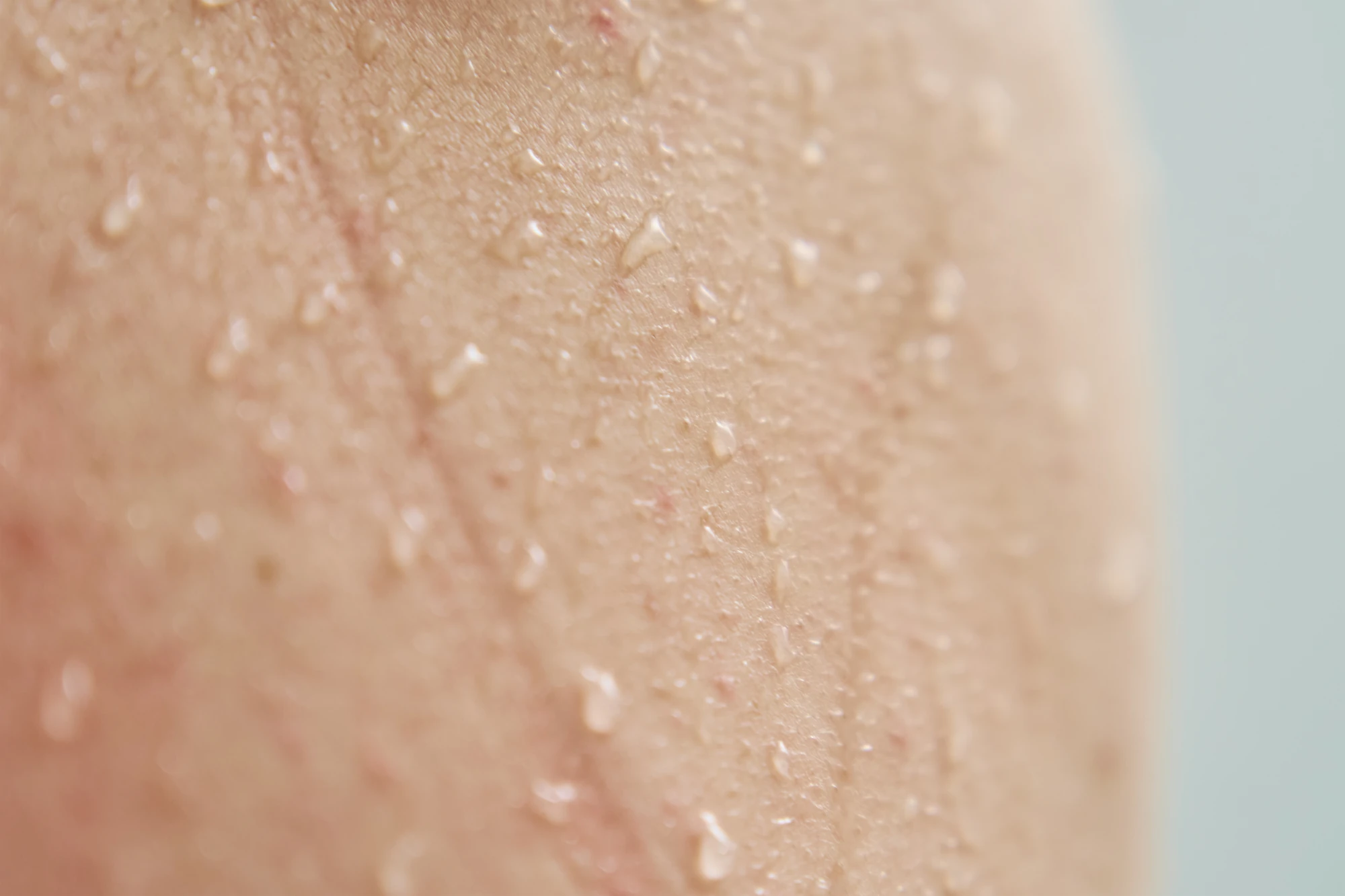
How Hard Water Damages Skin and Hair: The Complete Guide
Hard water damages skin and hair by leaving mineral deposits that cause dryness, irritation, and breakage. These minerals strip away natural oils, leading to frizzy hair, scalp problems, and skin conditions like eczema. The high mineral content creates a film that prevents moisture absorption, making beauty products less effective. Fortunately, there are simple solutions to protect your skin and hair from hard water damage.
Table of Contents
What Is Hard Water?
Hard water is tap water that contains high amounts of minerals like calcium and magnesium. These minerals get into water as it moves through soil and rock. About 85% of American homes have hard water.
Unlike soft water, hard water doesn’t create a good lather with soap. Instead, it forms a sticky substance called soap scum. You might notice this as a white film on your shower doors or faucets.
The hardness of water is measured in grains per gallon (GPG) or parts per million (PPM). Water with more than 7 GPG is considered hard. Very hard water has more than 10 GPG. This high mineral content is one of the reasons why hard water damages skin and hair over time.
How to Tell If You Have Hard Water
There are simple ways to check if you have hard water at home:
- Look for white spots on glasses after washing
- Notice if the soap doesn’t lather well
- Check for scale buildup on faucets and showerheads
- See if your clothes feel stiff after washing
- Watch for dry skin and hair after showering
You can also buy a water testing kit from a hardware store. These kits measure the mineral content in your water. If you confirm you have hard water, you’ll understand why hard water damages skin and hair in your household.
How Hard Water Damages Your Skin
Hard water damages skin in several ways that affect both appearance and health. The minerals in hard water stick to your skin, forming a barrier that traps dirt and clogs pores. This leads to breakouts, especially if you already have acne-prone skin.
The mineral film also prevents moisture from entering your skin. This causes dryness, flakiness, and a dull complexion. Many people notice their skin feels tight and itchy after showering in hard water.
For those with sensitive skin conditions like eczema or psoriasis, hard water can trigger flare-ups. The alkaline nature of hard water disrupts your skin’s natural pH balance. Your skin should be slightly acidic (around 5.5 pH), but hard water pushes it toward being more alkaline.
The Soap Problem
When soap mixes with hard water, it creates soap scum instead of lather. This scum sticks to your skin, causing:
- Irritation and redness
- Increased dryness
- Accelerated aging appearance
- Worsened skin conditions
The soap residue left behind requires more scrubbing to remove. This extra scrubbing damages your skin’s protective barrier. Over time, this makes your skin more vulnerable to environmental damage and infection.
Long-Term Effects on Skin
Using hard water for years can lead to premature aging. The constant dryness causes fine lines to appear earlier. The minerals in hard water may also generate free radicals that damage skin cells.
Hard water damages skin gradually, so you might not notice the effects right away. However, if you’ve moved from a soft water area to a hard water area, you’ll likely see changes within weeks.
How Hard Water Damages Your Hair
Just as hard water damages skin, it also takes a serious toll on your hair. The mineral deposits from hard water build up on your hair strands, making them rough and dull. This buildup weighs down your hair, reducing volume and bounce.
Hard water prevents shampoo from lathering properly. This means you need more product to clean your hair. Even then, you might not remove all the dirt and product residue. Over time, this buildup can change your hair color, making it look brassy or dull.
The minerals in hard water also make it difficult for moisture to penetrate your hair shaft. This leads to chronic dryness and brittleness. Your hair becomes more prone to breakage, split ends, and frizz.
Impact on Different Hair Types
Hard water damages skin and hair differently depending on your hair type:
- Curly hair: Becomes frizzy and loses definition
- Fine hair: Looks flat and lifeless
- Color-treated hair: Fades faster and may develop brassy tones
- Natural hair: Becomes more brittle and prone to breakage
People with curly or textured hair often suffer the most from hard water damage. These hair types are naturally drier and more vulnerable to the effects of mineral buildup.
Scalp Issues from Hard Water
Hard water damages skin on your scalp, too. The mineral buildup can clog hair follicles, potentially leading to hair thinning over time. Many people experience itchy, flaky scalps due to hard water.
The disruption to your scalp’s pH balance can also throw off its natural oil production. This might cause either excessive oiliness or extreme dryness. Either way, it creates an unhealthy environment for hair growth.
Signs You’re Suffering from Hard Water Damage
Recognizing the signs that hard water damages skin and hair can help you take action sooner. Here are the most common symptoms to watch for:
Skin Signs
- Persistent dryness, even after applying moisturizer
- Itchiness or redness after showering
- Increased acne breakouts
- Eczema flare-ups
- Skin that feels “tight” after washing
- Soap that doesn’t seem to rinse off completely
Many people notice these symptoms worsen in winter when skin is already prone to dryness. If your skin problems started after moving to a new home, hard water might be the culprit.
Hair Signs
- Dullness and lack of shine
- Increased frizz and flyaways
- Hair that feels rough or straw-like
- Color that fades quickly or turns brassy
- Difficulty getting hair clean despite using lots of shampoo
- Scalp itchiness or flakiness
- Increased hair breakage and split ends
If you’ve tried different hair products without improvement, hard water might be the underlying issue. Hard water damages skin and hair in ways that products alone can’t fix.
Solutions to Protect Against Hard Water Damage
Now that you understand how hard water damages skin and hair, let’s explore solutions. You have options ranging from simple, affordable fixes to more comprehensive solutions.
Whole-House Solutions
The most effective approach is to address hard water at its source:
- Water softener system: Removes minerals from water throughout your home
- Salt-free water conditioner: Changes mineral structure without removing them
- Reverse osmosis system: Filters out minerals and other contaminants
While these systems require an initial investment, they provide complete protection. A water softener typically costs between $500-$2,500 installed, but can save money on soaps, shampoos, and lotions in the long run.
Shower-Only Solutions
If a whole-house system isn’t possible, try these targeted approaches:
- Shower head filter: Reduces minerals in shower water ($20-$100)
- Vitamin C shower filters: Neutralizes chlorine and some minerals
- Shower head with built-in water softening: Combines filtration with regular shower function
These options are more affordable and don’t require professional installation. While not as effective as whole-house systems, they can significantly reduce how hard water damages skin and hair.
Product Solutions
Special products can help counteract hard water effects:
- Chelating shampoos: Remove mineral buildup from hair
- Apple cider vinegar rinses: Restore pH balance and remove residue
- Hard water shampoo bars: Formulated to lather in hard water
- Clarifying treatments: Deep clean hair to remove mineral deposits
For skin, look for products with:
- Chelating agents to bind with minerals
- Extra moisturizing ingredients like hyaluronic acid
- Barrier-repairing ceramides
- Gentle, non-soap cleansers
Using these specialized products can help minimize the damage while you work on a more permanent solution.
DIY Solutions
You can also make your own treatments to combat how hard water damages skin and hair:
DIY Hair Rinse:
- Mix 2 tablespoons apple cider vinegar with 1 cup distilled water
- Apply to hair after shampooing
- Let sit for 2-3 minutes
- Rinse with cool water
DIY Skin Spray:
- Mix equal parts distilled water and witch hazel
- Add 5 drops of vitamin E oil
- Spray on skin after showering
- Pat dry and apply regular moisturizer
These homemade remedies can help neutralize the alkaline nature of hard water and restore your skin and hair’s natural pH balance.
Frequently Asked Questions
How quickly does hard water damage hair?
Hard water damages skin and hair gradually, but you may notice effects within 2-3 weeks of regular exposure. People with color-treated or already damaged hair might see changes even sooner. The minerals build up with each wash, so damage accumulates over time.
Can hard water cause hair loss?
While hard water itself doesn’t directly cause hair loss, the mineral buildup can clog hair follicles and weaken hair strands. This may lead to increased breakage and thinning over time. The scalp irritation from hard water can also create conditions that make hair loss more likely.
Does boiling water remove hardness?
Boiling water can remove temporary hardness caused by calcium bicarbonate, but not permanent hardness from calcium sulfate or magnesium compounds. For beauty purposes, boiled water isn’t practical for daily hair washing or skin cleansing.
Can hard water cause acne?
Yes, hard water damages skin by leaving mineral residue that can clog pores and trap bacteria, potentially leading to acne. The soap scum created when soap mixes with hard water also clogs pores. Additionally, the dryness caused by hard water might trigger your skin to overproduce oil, further contributing to breakouts.
Is bottled water better for washing face and hair?
Bottled water can be better for your skin and hair if it’s softer than your tap water. However, this isn’t a practical everyday solution due to cost and environmental impact. For occasional use, like final hair rinses or facial cleansing when skin is particularly irritated, bottled water might provide temporary relief.
How can I test my water hardness at home?
You can test water hardness with:
- Store-bought water hardness test strips
- The “soap test” (seeing how well soap lathers in your water)
- Professional water testing services
- Contacting your local water utility for information
Will a water filter pitcher help with hard water?
Standard water filter pitchers typically don’t remove the minerals that cause water hardness. They mainly reduce chlorine, some heavy metals, and certain contaminants. To address how hard water damages skin and hair, you need specialized water softening equipment.
Protecting Your Beauty from Hard Water Damage
Hard water damages skin and hair in ways that affect both appearance and health. From dry, irritated skin to brittle, dull hair, the effects can be frustrating. Understanding the problem is the first step toward finding effective solutions.
Whether you choose a whole-house water softener, shower filter, or specialized products, taking action can make a significant difference. Many people notice improvements within weeks of addressing their hard water issues.
Remember that consistency is key. Using protective products regularly will help minimize damage while you work on more permanent solutions. Your skin and hair deserve protection from the harsh effects of mineral-laden water.
Ready to say goodbye to the damage caused by hard water? Book a consultation with Precision Plumbing today. We’ll help you find the perfect solution to protect your skin, hair, and overall health from hard water damage. Your beauty routine—and your body—will thank you!