



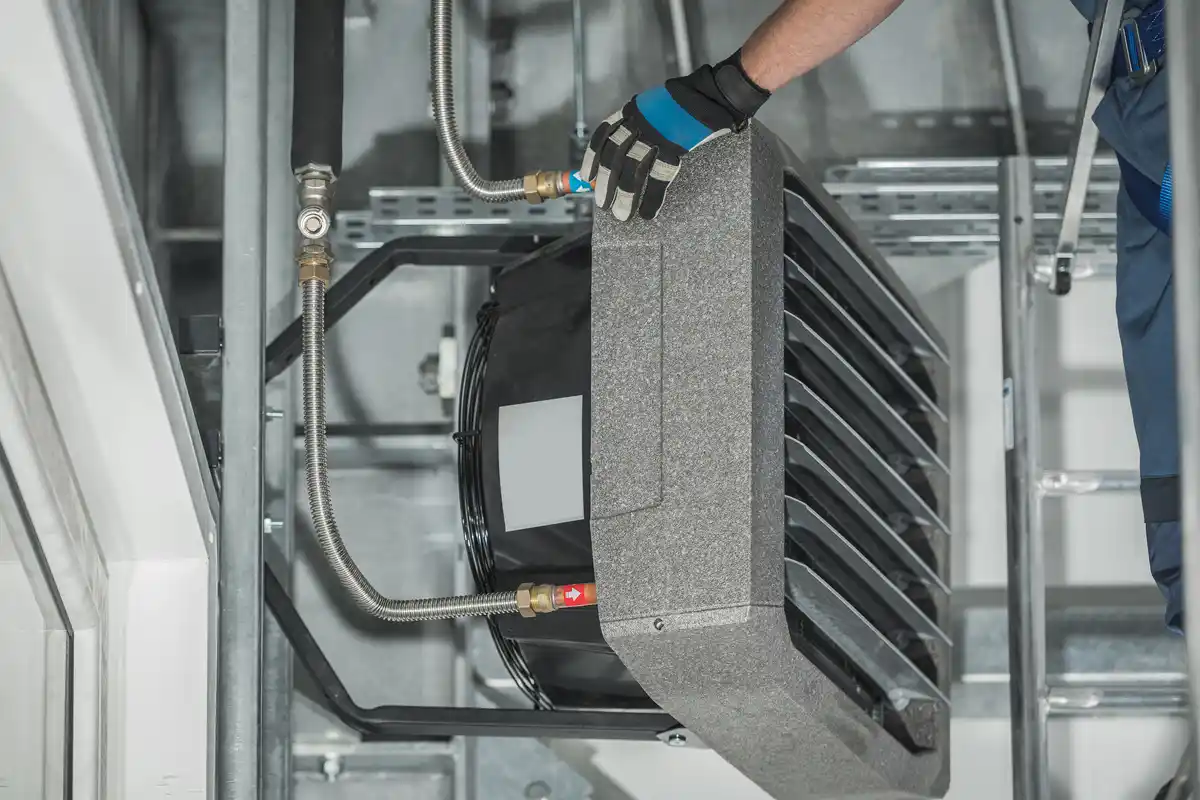
As a homeowner, you want a warm, functional garage, especially in the cold winter months. But heating your garage comes with responsibilities. This article covers essential garage heater safety tips for a cozy workspace and peace of mind.
Understanding Garage Heater Types
Before discussing safety, let’s explore common garage heater types: electric, propane heaters, and natural gas.
Electric Heaters
Electric garage heaters are popular for their easy setup. They are generally safer than gas options, with no combustion or fumes.
Gas Heaters
Gas heaters provide strong warmth, ideal for larger spaces and colder months. However, they require attention to ventilation and carbon monoxide risks.
Essential Garage Heater Safety Tips
Here are core garage heater safety tips for a secure environment.
Ventilation is Key
Adequate ventilation is crucial, especially with gas heaters in a gas garage. Poor ventilation in the garage environment can lead to carbon monoxide buildup. Ensure your garage has a dedicated vent system, not just a cracked window.
This fresh air circulation removes combustion byproducts. Remember, poor ventilation contributes to many heating-related house fires.
Clearance Around the Heater
Keep flammable materials, like boxes, tools, or chemicals, away from your heater. A three-foot radius is recommended for the surrounding area.
This safe distance helps prevent accidental fires and ensures consistent heat distribution. Maintaining clearance is among the important safety considerations for any heating appliance.
Regular Maintenance
Dust and debris affect performance and create fire hazards. Regularly inspect and clean your heater to reduce risks and increase the lifespan of the unit.
Dust buildup contributes to garage heater incidents. Address issues promptly during routine checks.
Professional Installation for Gas Heaters
For gas heaters, professional installation is essential. DIY gas installations risk dangerous errors, especially with gas lines and fittings.
Qualified professionals ensure safe, code-compliant setups, minimizing risks such as gas leaks or improper ventilation. Hire an expert, particularly when dealing with propane or natural gas heaters.
Safety Devices
Install carbon monoxide detectors in garages with gas heaters. Test them routinely to ensure they function correctly.
Consider interconnected detectors. If one alarms, all alarm, improving the odds of alerting you to the presence of harmful gases.
Safe Usage Habits and Thermostat Settings
Develop safe heating habits. Never leave a heater running unattended.
Turn it off when leaving the garage. Avoid overheating, fire risk, and energy waste.
Adjust the thermostat according to your needs. Use programmable thermostats strategically to avoid heating an empty garage. You can also control the power requirements of electrical heaters in the electric garage for smaller spaces with strategic thermostat use.
Picking the Perfect Heater: A Quick Guide
Choosing a garage heater involves several factors.
Size Matters
A heater too small won’t heat effectively, while an oversized one wastes energy and may cycle less efficiently, leading to issues such as inadequate humidity control.
Match the heater’s size to your garage’s dimensions and your typical garage activities during winter months. Consider your insulation as a key aspect when making a decision.
Insulation is Your Friend
Good insulation helps retain heat. This means your heater works less, reducing energy bills.
Insulation also minimizes strain on the heater, potentially extending its lifespan. This can allow you to potentially pursue more enjoyable garage activities or comfortably perform needed tasks.
Why Garage Heater Safety Tips Are So Important
These safety tips are crucial to prevent fires and carbon monoxide poisoning. Portable space heaters cause numerous house fires annually.
Many fires start when flammable materials are too close to a heat source. Carbon monoxide from malfunctioning or poorly ventilated heaters is a serious risk.
Implementing these safety tips can protect you from electrical shock, electrical hazards, fire, and dangerous gas exposure.
Integrating Heaters with Your Home’s System
Extending your home’s heating system to the garage can pose safety risks. Often, such setups aren’t permitted due to building codes.
They can also reduce energy efficiency. It’s better to use a dedicated garage heater and improve garage insulation.
Conclusion
This winter, stay warm and safe by following these garage heater safety tips. Practicing safe heater usage protects your family, pets, and property.
Follow manufacturer instructions and maintain your heater for optimal performance. Prioritize adequate ventilation to prevent carbon monoxide buildup. Following safety procedures brings you a comfortable garage for use during cold winter months.
Heeding these tips provides a comfortable and safe winter, reducing fire risks and high energy bills. Enjoy consistent heat and the numerous benefits of a warm garage while being mindful of safety considerations.
Contact us today for more information or to schedule a free consultation.