




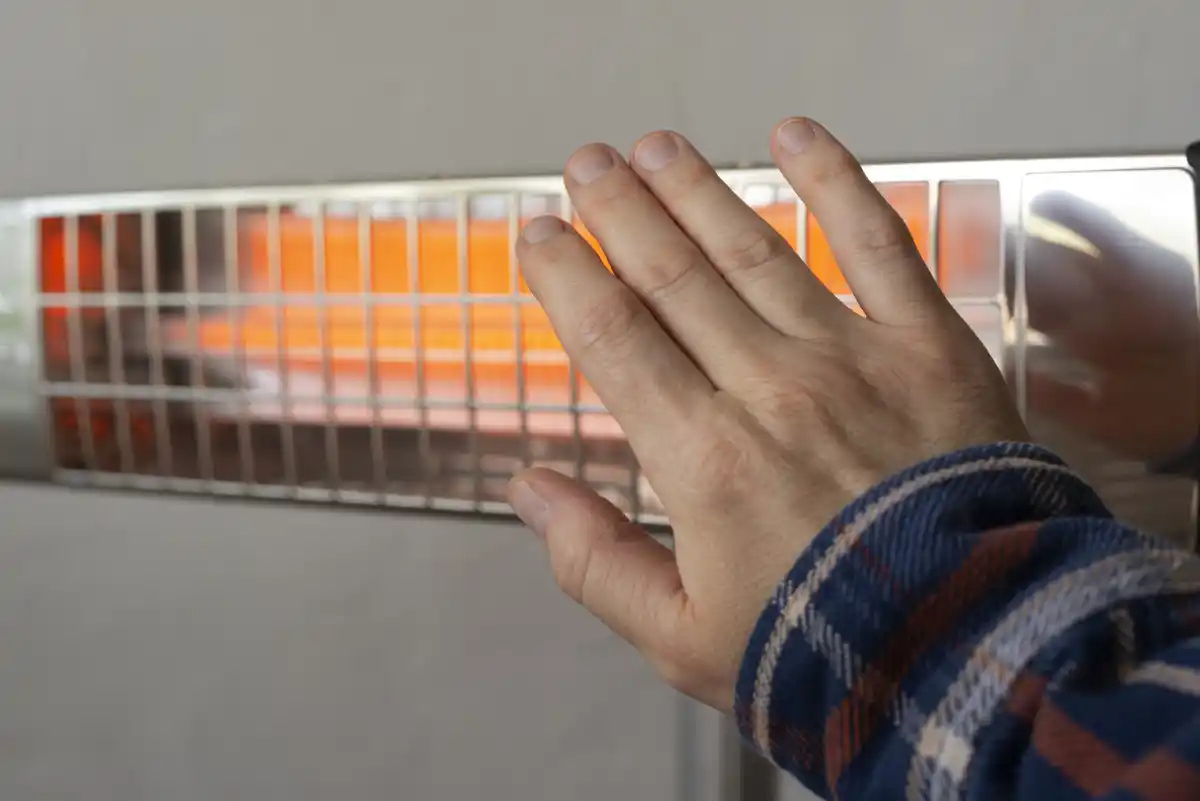
As winter approaches, a warm garage sounds great. Many homeowners wonder about running their garage heater overnight. Is it safe? Is it cost-effective? This post explores garage heater running overnight, covering safety, costs, and best practices.
Choosing the Right Garage Heater
Picking the right heater is important. Several garage heater types exist, each with its own pros and cons. Electric heaters are easy to install but can be expensive to run constantly. Natural gas heaters are efficient for larger garages but require professional installation.
Electric Garage Heaters
Electric garage heaters are convenient and easy to install. They’re available in various sizes and heating capacities. They can be costly to run continuously. In larger garages, these can strain household wiring, possibly creating safety concerns.
Natural Gas Garage Heaters
Natural gas heaters are efficient and a good choice for larger garages. Over time, they typically cost less to operate than electric heaters. However, gas heaters usually need professional installation. They require gas lines and ventilation.
Propane Garage Heaters
If you want portability, consider propane heaters. They provide a fuel source independent of your house. However, you’ll have to refill propane tanks regularly. Like with natural gas heaters, proper ventilation is crucial. Store spare propane bottles safely. Propane garage heaters can also lead to a dangerous buildup of gases without proper precautions. They can also offer overheating protection.
Garage Heater Running Overnight: Safety First
Safety is key when using any heating appliance, especially overnight. Proper ventilation is essential for natural gas and propane units. This prevents dangerous gas buildup, such as carbon monoxide.
Ventilation
Good ventilation is crucial for gas and propane heaters. This removes exhaust fumes. Ensure proper airflow with open windows or a dedicated ventilation fan system that exhausts outdoors. Having a ceiling fan and a tower fan can help as well. An air circulator fan would make a huge difference, as it could even offer 360 oscillation.
Carbon Monoxide Detectors
When using fuel-burning heaters, it is crucial to have carbon monoxide detectors installed in your home. These devices play a vital role in detecting the presence of carbon monoxide, a colorless, odorless, and tasteless gas that can be deadly in high concentrations.
Why Carbon Monoxide Detectors are Necessary
Fuel-burning heaters, such as portable generators, fireplaces, and furnaces, can produce carbon monoxide as a byproduct of combustion. If these appliances are not properly maintained or vented, carbon monoxide can accumulate in your home, posing a significant threat to your health and safety.
How Carbon Monoxide Detectors Work
Carbon monoxide detectors are designed to detect the presence of carbon monoxide in the air and alert you to its presence. These devices typically consist of a sensor that detects the gas and an alarm that sounds when the levels of carbon monoxide exceed a certain threshold.
Proper Placement of Carbon Monoxide Detectors
To ensure the effectiveness of carbon monoxide detectors, it is essential to place them near the fuel-burning heater. This allows the detector to quickly detect any buildup of carbon monoxide and provide an early warning. Additionally, it is recommended to install detectors on every level of your home and near sleeping areas to ensure that everyone is protected.
Early Warning Saves Lives
By installing carbon monoxide detectors and placing them near fuel-burning heaters, you can receive an early warning if dangerous levels of carbon monoxide accumulate. This early warning can be the difference between life and death, as it allows you to take immediate action to ventilate the area and leave the premises.
Fire Hazards and Prevention
Keep flammable materials away from your garage heater. This includes gasoline, paint thinner, paper, and wood. Having a wall-mounted heater rather than a portable one can also enhance safety. Keep these materials far from any mounted heater. You want to ensure there is not even the chance of anything getting warm.
Clearance Around the Heater
Maintain at least three feet of clearance around your garage heater. Anything flammable needs to be much further away. Keep this space clear.
Regular Inspection and Maintenance
Regular maintenance is essential. Inspect your heater for wear and tear. Look for damaged cords, loose connections, and dust buildup.
Garage Heater Running Overnight: Cost Considerations
A comfortable garage is great. But factor in the costs before running a garage heater overnight.
Heater Efficiency
Your heater’s efficiency significantly impacts cost. Look for heaters with high-efficiency ratings, such as Energy Star-certified models. The DREO Wall Mounted Heater offers comfort and energy usage control.
Insulation
Insulation helps maintain a consistent garage temperature and minimize cost. Check for proper seals around doors, walls, and ceilings. Well-insulated spaces trap heat, lowering energy costs.
Alternatives and Supplemental Heating
Sometimes, running a garage heater overnight isn’t practical. Consider alternatives, like using a radiator heater or other heating appliances. A combined approach may be best.
Space Heaters
Space heaters can warm specific areas, conserving power. They don’t require permanent installation. Never leave a space heater unattended overnight. Modern smart heaters have programmable timers. For example, the DREO Space Heater offers precise temperature control with a programmable timer, keeping the area warm while also providing overheating protection. Consider a model like the DREO Solaris Slim, which is a space heater and an air purifier all in one.
Insulating Your Garage
Insulation can greatly reduce heating costs. It’s often more cost-effective than running a heater overnight. Consider fully insulating your garage before buying heaters.
Conclusion
It is possible to leave a garage heater running overnight but requires planning and precautions. Evaluate your needs, prioritize safety, and choose the right heater. Consider insulation and other alternatives. Think about garage door safety, cost considerations, and maintaining a comfortable environment.
Contact us today for more information or to schedule a free consultation.