




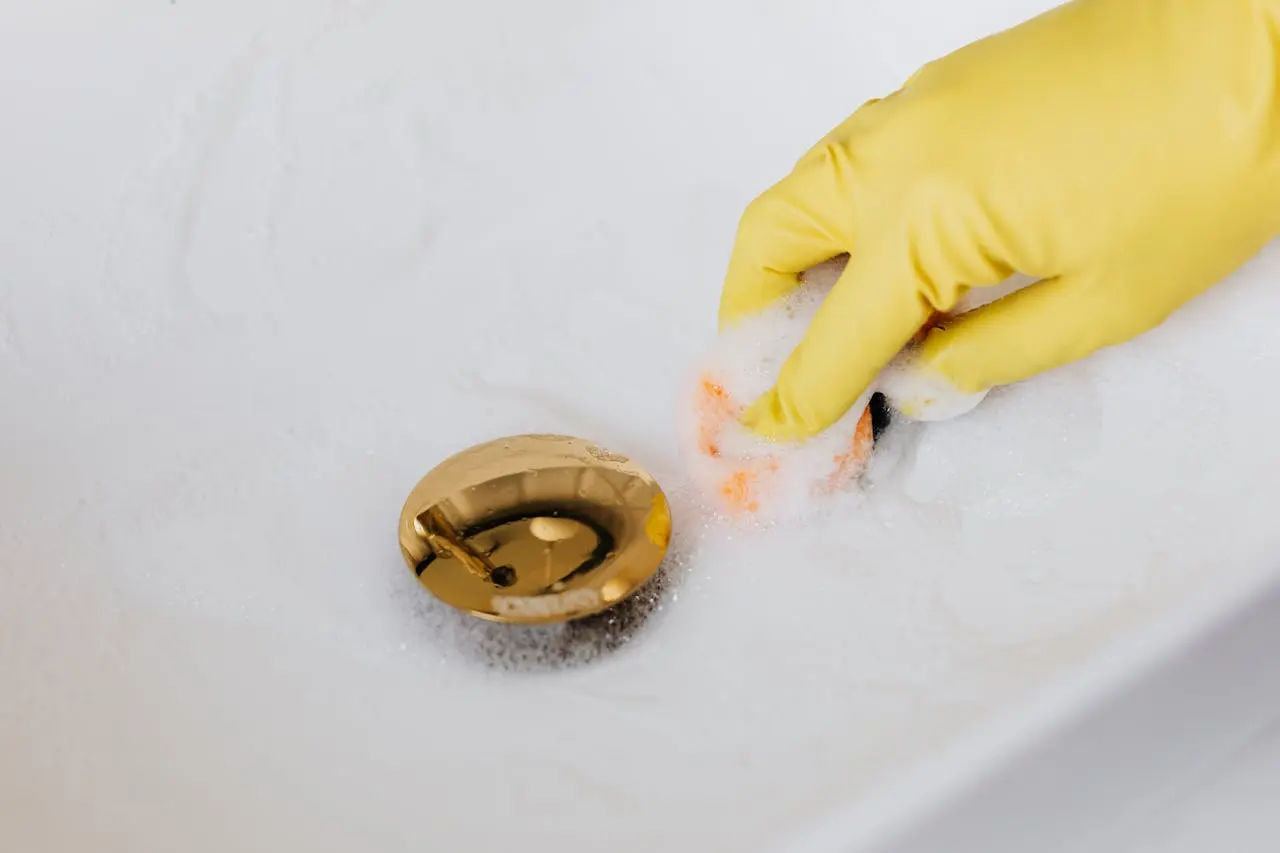
Stop Slow Drains Before They Become Big Problems
Slow drains rarely start with a major plumbing failure. Most stubborn clogs build up quietly from small everyday habits that do not seem like a big deal at the time. A bit of grease here, a few wipes there, some hair in the shower, and suddenly the kitchen sink or main bathroom is backing up every week.
There are early warning signs Calgary homeowners and business owners can spot before drains come to a standstill. Pay attention if you notice:
- Gurgling sounds after you run water or flush
- Persistent sewer or rotten odours around sinks, tubs, or floor drains
- Needing to plunge the same toilet or sink again and again
- Water that takes longer and longer to clear from tubs, showers, or kitchen sinks
Spring is a smart time to focus on drain cleaning, especially around April when many people are already thinking about home and business maintenance. As the snow and ice are gone and plumbing is not under winter strain, it is easier to see what needs attention. At Precision Plumbing, we provide plumbing services in Calgary for both homes and commercial properties, so when daily habits have already caused buildup, we are ready to help clear lines safely and properly.
What Really Happens Inside Your Drains
Modern plumbing systems are designed to move water and very small particles. They are not meant to handle large amounts of food scraps, grease, wipes, or hair. When those materials go down sinks and toilets, they do not simply disappear. They travel until they hit a bend, a rough section of pipe, or an existing bit of buildup and then they start to collect.
Inside your drains, the process usually looks like this:
- Sticky residue from grease, soap, and detergents coats pipe walls
- Small particles, hair, and lint get caught in that residue
- The mass thickens, hardens, and narrows the pipe opening
- Over time, water has less space to move, so drains slow or back up
Minor slowdowns are often a sign that the pipe is partially narrowed but not fully blocked. At this stage, better habits and light maintenance can sometimes help. Serious blockages are different. When water stops draining, backs up into other fixtures, or affects multiple drains, it usually means there is a solid clog deeper in the system. That often needs professional drain cleaning to remove properly.
In Calgary, some homes and businesses have older piping, including metal lines that can corrode or roughen inside. Multi-unit properties and busy commercial spaces put much more water and waste through the system every day. These factors can make clogs more common and make it more important to stay ahead of buildup.
Kitchen Sink Habits That Clog Drains Fast
The kitchen sink is one of the most common places we see clogs. Pouring fats, oils, and grease down the sink, even in small amounts, is a major culprit. Hot grease runs easily when it is liquid, but once it travels into cooler sections of pipe it starts to harden. It coats the sides of the line and becomes a sticky layer that grabs anything else coming through.
There are also a lot of myths about what a garburator can handle. Even with one, many items should still stay out of the drain:
- Coffee grounds, which clump together and settle in pipes
- Eggshells, which break into sharp, sand-like bits that snag in grease
- Pasta and rice, which swell and become gluey in water
- Fibrous veggies like celery or onion skins, which can tangle and form ropes
Many people run hot water and assume it will wash everything away. Once grease is further down the line and cooling, hot water from the tap rarely stays hot enough, for long enough, to dissolve it. Instead, the greasy layer tends to grow.
Better daily habits in the kitchen go a long way:
- Scrape plates and pots into the garbage or a compost bin
- Wipe greasy pans with a paper towel before washing
- Use sink strainers to catch food scraps and empty them into the bin
- Collect cooled fats and oils in a container and throw it out rather than pouring
Bathroom Routines That Secretly Block Pipes
Bathrooms might look cleaner than kitchens, but they hide their own clog problems. Hair and soap scum in showers and tubs are a classic example. Hair wraps around itself and around small imperfections inside pipes. Soap scum and body products stick to it until you end up with a dense, stubborn clump that regular plunging often cannot dislodge.
Toilets are another hotspot. Items labelled as “flushable” wipes, cotton pads, floss, and similar products do not break down like toilet paper. Instead, they can:
- Snag on rough pipe walls or joints
- Combine with grease or other debris in the line
- Form solid masses that block toilets or main drains
Other bathroom culprits include thick conditioners, body butters, bath bombs with glitter or petals, and using the toilet as a general garbage bin for small items.
A few simple changes help protect your bathroom plumbing:
- Install drain covers or hair catchers in showers and tubs
- Keep a small bin beside the toilet so wipes, pads, and floss never get flushed
- Check product labels and avoid rinsing heavy residues down the drain
- Run warm water for a short time after using thicker products to help move them along
Laundry, Cleaning, and Outdoor Habits That Add up
Laundry and cleaning routines can quietly load drains with material they are not meant to carry. Washing heavily soiled work clothes, pet bedding, or rugs sends extra lint, fur, and fine sediment into drains and traps. Over time, this can collect in the same spots as soap and detergent residue.
Common issues include:
- Lint and pet hair building up in washer drains and standpipes
- Overusing powdered detergents, which may leave a gritty film in cooler water
- Mixing different cleaners that react and leave sticky residues or fumes
Outdoor habits matter as well. Hosing soil, leaves, sand, or gravel straight into exterior drains can plug lines that lead to the sewer or sump systems. Those materials settle and are hard to flush out.
Helpful preventative steps include:
- Cleaning lint filters and any drain filters on washers regularly
- Shaking out very dirty clothes, rugs, or pet bedding outdoors before washing
- Using liquid detergents when appropriate and following label directions
- Keeping outdoor grates and drains clear of debris, leaves, and yard waste
DIY Fixes That Make Clogs Worse
When a drain slows, it is tempting to reach for a chemical cleaner or a homemade tool. Unfortunately, frequent use of harsh chemical drain cleaners can damage pipes, especially older metal lines that are still found in some Calgary neighbourhoods. These cleaners can:
- Eat away at pipe material over time
- Create heat in the pipe that stresses joints and seals
- Leave behind residue if the clog is not fully cleared
Makeshift tools like bent coat hangers or sharp objects can scratch pipe walls, compact clogs instead of breaking them apart, or even break off and become part of the blockage. Plunging has its place, especially for minor toilet clogs close to the fixture, but aggressive or repeated plunging can push a blockage deeper into the system. That often leads to recurring clogs farther down the line.
Professional drain cleaning is a safer, more thorough option as part of reliable plumbing services in Calgary. Methods like augering and, when appropriate, camera inspections allow us to see what is actually happening inside the pipe and clear it without unnecessary damage.
Simple Drain-Safe Habits for Calgary Homes and Businesses
Keeping drains clear mostly comes down to consistent, drain-safe habits. In day-to-day use, it helps to remember:
- Never pour fats, oils, or grease down the sink
- Keep food scraps, coffee grounds, and fibrous waste out of drains
- Flush only toilet paper and human waste, nothing else
- Catch hair in showers and tubs and throw it in the garbage
Seasonal maintenance can be a smart backup plan. Spring, especially April, is a good time for proactive drain cleaning in older homes, multi-unit buildings, and high-use commercial spaces. After winter, small issues that developed over the colder months can be found and dealt with before heavy summer use or sudden storms put extra pressure on the system.
By paying attention to early warning signs like gurgling, odours, and slow drains, and by making a few simple changes in the kitchen, bathroom, laundry room, and outdoors, you can avoid many stubborn clogs. When problems do show up, Precision Plumbing is here to provide plumbing services in Calgary, including professional drain cleaning and emergency support, so your drains stay clear and your property keeps running smoothly.
Protect Your Home With Reliable Plumbing Solutions Today
If you are dealing with leaks, low water pressure, or an unexpected plumbing issue, we are ready to help get everything back on track quickly and safely. For drain clogs, our drain cleaning services in Calgary may be the service you need. At Precision Plumbing, we focus on quality workmanship and clear communication so you always know what is happening with your system. Have a question or need to book a visit? Simply contact us and we will respond promptly.