



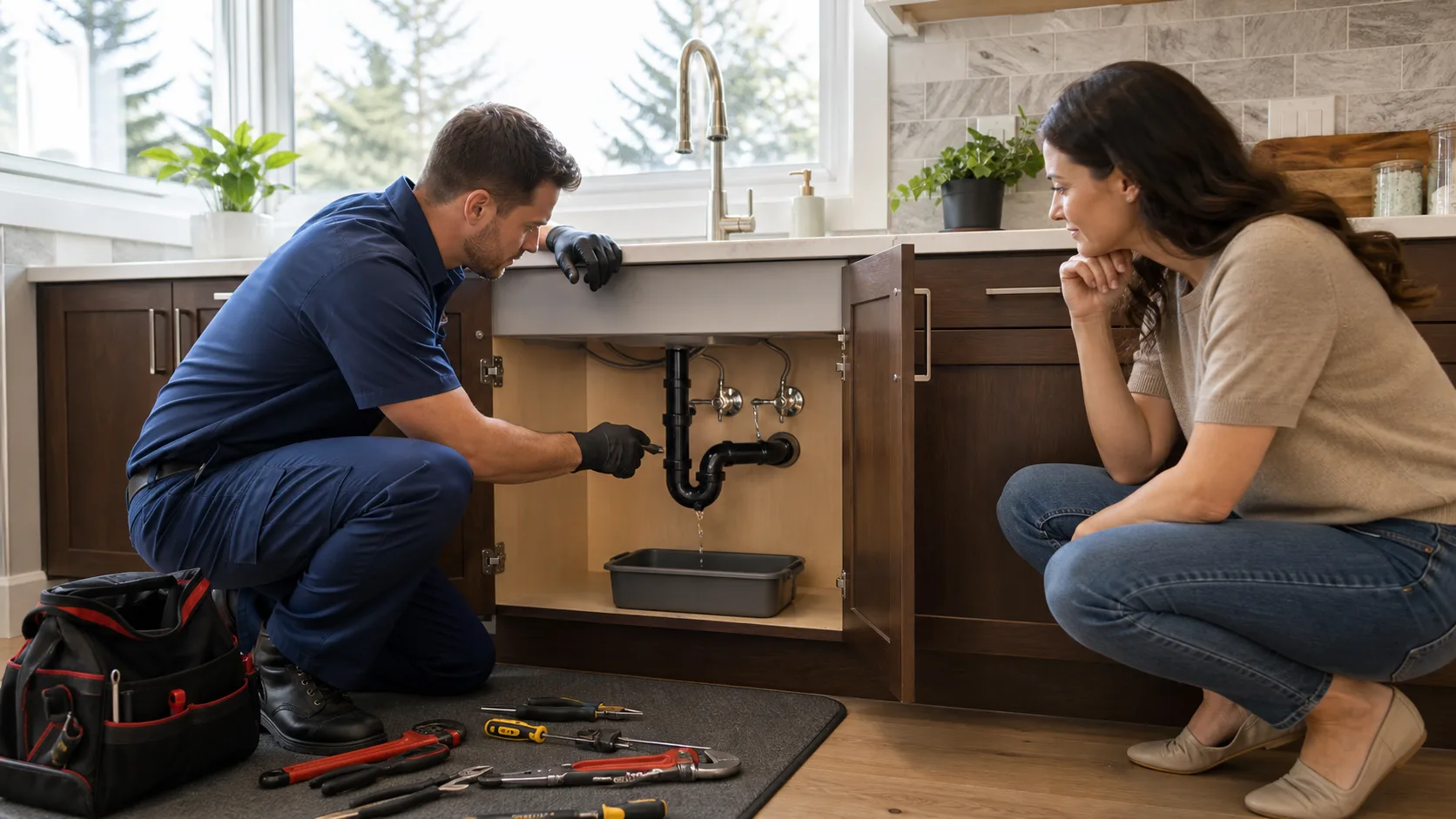
Stop the Flood Fast: Smart Moves in a Plumbing Crisis
A burst pipe in the middle of a chilly September evening can turn a quiet night at home into a soaked, stressful mess. Ten rushed minutes of panic, wrong moves, or waiting too long can mean warped floors, damaged walls, and a big repair bill later. When it comes to emergency plumbing in Calgary, what you do in those first moments really matters.
A true plumbing emergency is more than a small drip or a slow drain. You are dealing with an emergency when you have things like a sewer backup, a major leak, no water at all, frozen or burst pipes, or water that will not stop running. These are problems that can damage your home fast and can affect your health and safety.
We have seen many of these emergencies across Calgary homes, and we also see the same regret: waiting too long, trying risky DIY fixes, or only cleaning the mess instead of dealing with the real cause. In this article, we will walk through the common mistakes, why they hurt your home and budget, and smart steps you can take while you wait for professional help.
Costly Delay: Waiting Too Long to Call for Help
One of the biggest mistakes during emergency plumbing in Calgary is waiting to see if the problem will stop on its own. Water almost never fixes itself. It spreads into flooring, drywall, insulation, and even your foundation. What starts as a small ceiling stain can turn into sagging drywall, mould, and ruined finishes.
Calgary’s weather makes delay even riskier. Temperatures can drop quickly in the fall, and a small leak near an exterior wall can turn into a burst pipe overnight. If it happens while you sleep or while you are out, water can run for hours before anyone notices.
You should call for help right away if you notice:
- A sudden drop in water pressure
- Hissing, spraying, or dripping sounds inside walls or ceilings
- Sewer smells from drains, tubs, or the basement
- Puddles that keep growing even after you mop
- Ceiling spots that feel soft, bulge, or start to sag
Many homeowners worry about after-hours or emergency rates and wait until morning. The problem is that the longer water flows, the more damage it can cause, and that damage is often far more expensive than the emergency visit itself.
While you are waiting for a plumber, focus on limiting damage:
- Find and turn off your main water shut-off valve
- If possible, shut off water to the problem area only
- Move furniture, electronics, and valuables away from water
- Put buckets, bowls, or towels under drips or leaks
- Take photos and short videos of the damage for records
Avoid using sinks, toilets, or appliances near the affected area until a professional says it is safe.
DIY Disasters: Quick Fixes That Backfire Later
In a panic, many people try to fix plumbing emergencies on their own. It is tempting to grab whatever is in the garage or under the sink and give it a go. The problem is that some quick fixes cause hidden damage that shows up weeks or months later.
Common risky DIY moves include:
- Pouring large amounts of chemical drain cleaner into a blocked drain
- Wrapping leaking pipes with duct tape or random tape
- Smearing caulking or sealant on joints or around fixtures
- Making homemade pipe clamps with scrap material
Harsh chemical drain cleaners can be tough on older pipes and fittings. They can eat away at certain pipe materials and soft seals. If the cleaner sits in a clogged line, it can also build up fumes in a small space like a bathroom or basement. That is not good for anyone in the home, and it makes the drain harder and more dangerous to repair later.
Tampering with plumbing you do not fully understand can also cause bigger problems. Cross-connecting hot and cold lines, over-tightening fittings, or forcing stiff shut-off valves can lead to broken parts, leaks behind walls, and more time spent repairing damage.
In an emergency, the goal is to stabilize, not to fully repair. That means:
- Turning off problem fixtures and the main water if needed
- Using buckets and towels to catch and control water
- Gently removing visible hair or debris from a drain using gloved hands, not tools
- Taking clear photos of the area, including under sinks and around fixtures
Then wait for a professional to safely diagnose and repair the root issue.
Ignoring the Source: Fixing Symptoms Not the System
When water is on the floor or a toilet is overflowing, it is natural to focus on the mess right in front of you. Many homeowners mop and plunge, then move on, only to face the same problem again and again.
Some common signs that the issue goes deeper include:
- Toilets that back up often, in more than one bathroom
- Multiple drains that gurgle, bubble, or drain slowly
- A basement floor drain that overflows after rain
- Recurring damp spots on the same wall or floor area
These can point to a sewer line issue, a sump pump problem, corroded or aging pipes, or poor drainage around the home. In older Calgary areas, tree roots in sewer lines and ground shifting can add to the trouble. Heavy rainstorms can put extra pressure on systems that are already struggling.
Patchwork fixes like snaking a single drain or tightening one fitting may give short-term relief, but they do not solve a failing system. That can lead to more emergencies, more damage, and more cost over time.
When the plumber arrives, it helps to ask questions, such as:
- What do you think caused this, not just what failed today?
- Do you recommend a camera inspection of the sewer line?
- Should we test the water pressure in the home?
- Are there upgrades or maintenance steps that would reduce the chance of this happening again?
This way, you are not only fixing the symptom, you are planning for a healthier plumbing system overall.
Frozen Fall Pipes: Underestimating Calgary Weather
Early fall in Calgary can flip from warm afternoons to near-freezing nights very quickly. That catches many homeowners off guard. Outdoor taps, exposed pipes in garages or crawl spaces, and lines near exterior walls can start to freeze even when it does not feel like full winter yet.
Common mistakes include leaving hoses attached, not closing or checking outdoor shut-off valves, and putting off insulation or heat tape for areas that get cold. Water in these lines can freeze, expand, and crack pipes, sometimes inside walls where you cannot see it until it thaws and starts leaking.
Watch for early signs of freezing:
- Banging, clanking, or loud ticking sounds in the pipes
- Taps that only trickle when they used to flow well
- Some fixtures working normally while others stop completely
If you suspect a pipe is starting to freeze:
- Turn off water to the affected line or area if you can
- Open taps slightly to relieve pressure in the line
- Warm the space gently with safe heaters or increased home heat
- Open cabinet doors under sinks to let warm air reach the pipes
Avoid open flames or very high heat on pipes. That can cause them to crack or create a fire risk. Call a professional to locate the freeze and check for damage before things thaw fully.
Preventative fall steps can save a lot of trouble:
- Disconnect garden hoses and drain exterior taps
- Add pipe insulation to exposed or poorly protected lines
- Test shut-off valves to make sure they work smoothly
- Have sump pumps and floor drains checked and cleaned
- Book a general plumbing inspection before deeper cold hits
Call in the Pros: How Precision Plumbing Protects Your Home
When we talk to Calgary homeowners after a crisis, we often hear the same regret: they wish they had called a professional as soon as they noticed something was wrong. The biggest mistakes with emergency plumbing in Calgary are usually about timing and reaction, not about bad luck.
The main missteps include:
- Waiting too long to seek help
- Trying risky DIY repairs that cause hidden damage
- Cleaning up the symptom instead of finding the system problem
- Underestimating how fast fall cold snaps can damage pipes
A simple plan makes a big difference. Know where your main shut-off valve is, keep a short plumbing emergency checklist on the fridge, and make sure everyone in the house knows the basics of what to do if water starts pouring where it should not.
At Precision Plumbing in Calgary, we have been helping local homeowners with residential and commercial plumbing, including emergency repairs, installations, and maintenance, since 2009. Our team focuses on clear communication so you understand what is happening, what your options are, and how to prevent repeat problems. With steady steps and the right support, a plumbing emergency does not have to turn into a long, expensive headache for your home.
Restore Your Plumbing And Protect Your Property Now
When a pipe bursts or a leak spreads, every minute counts, which is why our licensed team is ready to respond quickly and get your system under control. If you need reliable emergency plumbing in Calgary, we will assess the issue, explain your options, and start repairs right away. Reach out to Precision Plumbing today to schedule urgent service or request a prompt call-back through our contact page.