



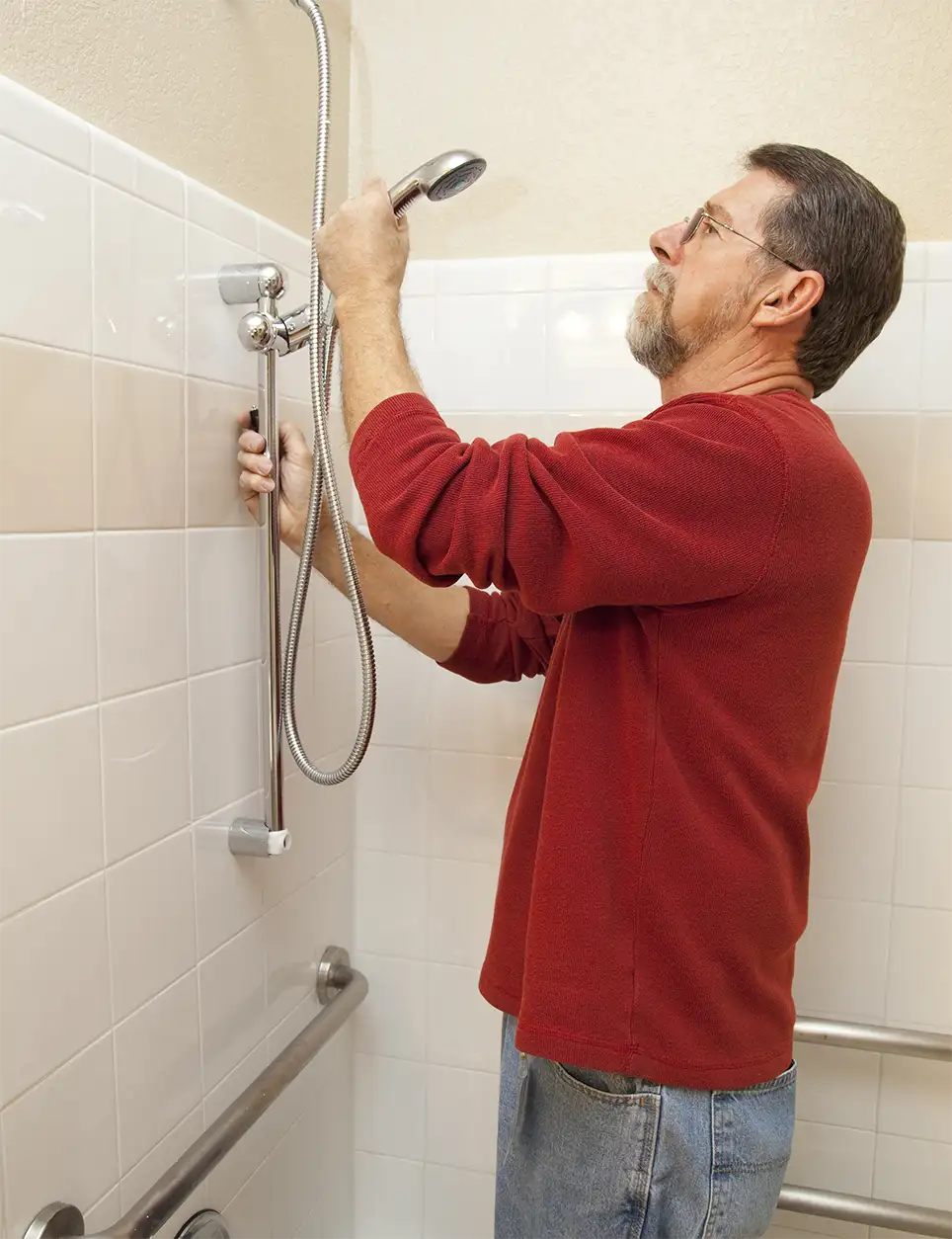
Why Is My Shower Pressure So Low? Understanding Shower Pressure Loss Causes
Low shower pressure can turn your relaxing shower into a frustrating experience. If your once-powerful shower has become a disappointing trickle, you’re dealing with shower pressure loss. The most common shower pressure loss causes include clogged showerheads, mineral buildup, faulty pressure regulators, leaking pipes, and municipal water supply issues. The good news is that many of these problems have simple fixes you can do yourself without calling a plumber.
Let’s explore why your shower might be losing pressure and what you can do to fix it.
Table of Contents
Common Shower Pressure Loss Causes
Understanding what’s causing your shower pressure problems is the first step to fixing them. Here are the most common shower pressure loss causes you might be experiencing:
1. Clogged Showerhead
The most common cause of shower pressure loss is a clogged showerhead. Over time, mineral deposits from hard water build up in the tiny holes of your showerhead. These deposits block water flow and reduce pressure. If your shower pressure has gradually decreased over months or years, a clogged showerhead is likely the culprit.
2. Mineral Buildup in Pipes
Similar to showerhead clogs, minerals can build up inside your pipes, especially if you have hard water. This buildup narrows the space water can flow through, reducing pressure throughout your home. This problem typically develops slowly over many years.
3. Faulty Pressure Regulator
Your home’s water pressure regulator controls the water pressure coming into your house. If this device fails, it can cause pressure problems in all your fixtures, including your shower. A sudden drop in pressure throughout your home often points to a pressure regulator issue.
4. Leaking Pipes
Hidden leaks in your plumbing can cause water pressure to drop. When water escapes through leaks before reaching your shower, you’ll experience reduced pressure. Signs of leaking pipes include unexplained increases in water bills, damp spots on walls or ceilings, or the sound of running water when no fixtures are in use.
5. Partially Closed Valve
Sometimes the solution is as simple as a partially closed water valve. The main water shut-off valve or the valve controlling water to your bathroom might not be fully open. This restricts water flow and reduces shower pressure.
6. Municipal Water Supply Issues
Your low shower pressure might not be a problem with your plumbing at all. Local water supply issues, especially during peak usage times, can cause temporary drops in pressure. If your neighbors are also experiencing pressure problems, this might be the cause.
7. Outdated Plumbing
Older homes often have galvanized steel pipes that corrode over time. This corrosion narrows the pipes and restricts water flow. If your home is more than 50 years old and has never had plumbing updates, this could be causing your shower pressure loss.
How to Diagnose Your Shower Pressure Problem
Before you can fix your shower pressure, you need to figure out exactly what’s causing it. Here’s a simple process to diagnose shower pressure loss causes:
Check If It’s Just Your Shower or the Whole House
First, determine if the pressure problem affects only your shower or all fixtures in your home. Turn on faucets in different rooms and check their pressure. If only your shower has low pressure, the problem is likely in your shower components or the pipes leading to it. If all fixtures have low pressure, the issue is probably with your main water supply or pressure regulator.
Inspect Your Showerhead
Look closely at your showerhead. Do you see white or greenish mineral deposits around the holes? This is a clear sign of mineral buildup. Try running your finger over the holes – if they feel rough or some are clearly blocked, this is likely your problem.
Check Water Valves
Locate the water valves that control the flow to your shower. There’s usually one behind the shower access panel or under the sink. Make sure these valves are fully open by turning them counterclockwise until they stop.
Look for Leaks
Inspect visible pipes for any signs of leaking. Check under sinks, behind toilets, and in your basement or crawl space. Look for water stains, dampness, or actual dripping. Even small leaks can affect your water pressure.
Test Pressure at Different Times
Check your shower pressure at different times of day. If it’s only low during peak usage times (typically mornings and evenings), the issue might be related to high demand on your municipal water supply.
DIY Solutions for Low Shower Pressure
Once you’ve identified the likely shower pressure loss causes, you can try these DIY fixes:
Clean Your Showerhead
For clogged showerheads, try this simple cleaning method:
- Unscrew your showerhead from the pipe.
- Soak it in white vinegar for 8 hours or overnight.
- Use an old toothbrush to scrub away loosened deposits.
- Use a pin or toothpick to clear individual spray holes.
- Rinse thoroughly and reattach.
This simple cleaning can often restore your shower to full pressure immediately.
Install a Shower Pressure Booster
If your home generally has low water pressure, consider installing a shower pressure booster. These devices increase the pressure of water flowing to your shower. They’re relatively affordable and can make a big difference in shower performance.
Replace Your Showerhead
Sometimes the easiest solution is to replace an old showerhead with a new, high-pressure model. Look for showerheads specifically designed to increase pressure or those with flow restrictors that can be removed.
Check and Open Valves
Make sure all water valves leading to your shower are fully open. This includes:
- The main water shut-off valve (usually near where water enters your home)
- Fixture shut-off valves (often behind access panels)
- The shower valve itself
Flush Your Water Heater
If you only have pressure problems with hot water, your water heater might need flushing. Sediment can build up in water heaters over time, affecting pressure. Follow your manufacturer’s instructions for flushing the tank safely.
When to Call a Professional Plumber
While many shower pressure loss causes can be fixed with DIY solutions, some problems require professional help. Call a plumber if:
You Suspect Hidden Leaks
If you hear water running inside walls or notice damp spots but can’t locate the source, you likely have hidden leaks that need professional detection and repair. Ignoring these leaks can lead to serious water damage and mold growth.
Your Pressure Regulator Needs Replacement
Replacing a pressure regulator is a job best left to professionals. This component controls the pressure of all water entering your home, and improper installation can cause more problems or even damage your plumbing system.
You Have Old, Corroded Pipes
If your home has old galvanized steel pipes that are corroded inside, you might need repiping. This is a major plumbing project that requires professional expertise. Modern copper or PEX pipes will provide better water flow and pressure.
DIY Solutions Haven’t Worked
If you’ve tried all the DIY fixes and still have shower pressure problems, it’s time to call in an expert. A professional plumber can diagnose complex issues that might not be obvious to homeowners.
Preventing Future Shower Pressure Problems
Once you’ve fixed your current shower pressure issues, take these steps to prevent future problems:
Regular Maintenance
Clean your showerhead every 3-6 months, especially if you have hard water. This prevents mineral buildup from becoming severe enough to affect pressure. A quick overnight soak in vinegar is all it takes.
Install a Water Softener
If hard water is causing mineral buildup in your plumbing, consider installing a whole-house water softener. This will reduce mineral deposits throughout your plumbing system, preventing pressure loss and extending the life of your appliances.
Use High-Quality Fixtures
When replacing plumbing fixtures, invest in quality products. Cheap showerheads and valves are more likely to develop problems that affect water pressure. Look for fixtures with good reviews and warranties.
Monitor Your Water Pressure
Consider installing a water pressure gauge on an outdoor spigot or utility sink. Check it periodically to catch pressure changes early. Normal household water pressure should be between 40-60 PSI. If you notice a significant drop, you can address the issue before it becomes severe.
Frequently Asked Questions About Shower Pressure Loss
Why did my shower pressure suddenly drop?
Sudden pressure drops are usually caused by:
- A partially closed valve
- A failed pressure regulator
- A significant leak
- Municipal water supply issues
Check these issues first when you experience a sudden change in pressure.
Can a water-saving showerhead cause low pressure?
Yes, water-saving showerheads restrict water flow to conserve water. While they’re designed to feel like they have good pressure, some models may provide less satisfying pressure than standard showerheads. Many water-saving showerheads have removable flow restrictors if you prefer more pressure.
Why is my shower pressure low only in the morning?
If your shower pressure is consistently low during morning hours but normal at other times, it’s likely due to high demand on your municipal water system. When many people in your neighborhood shower and prepare for the day simultaneously, overall pressure can drop. Consider showering at off-peak times if possible.
Does low water pressure mean I have a leak?
Not necessarily, but it’s one possibility. Check your water meter when no water is being used in your home. If the meter is still moving, you likely have a leak somewhere. Other shower pressure loss causes, like clogged pipes or showerheads, are more common than leaks.
How can I increase water pressure in an upstairs shower?
Upstairs showers often have lower pressure because water must fight gravity to reach them. Solutions include:
- Installing a dedicated pressure booster pump
- Using a high-pressure showerhead
- Ensuring pipes to upper floors are properly sized
- Checking for restrictions or partial blockages in pipes leading upstairs
Can old pipes cause low shower pressure?
Absolutely. Older galvanized steel pipes corrode from the inside, gradually narrowing the space water can flow through. This corrosion builds up over decades and can significantly reduce water pressure. If your home is over 50 years old with original plumbing, this could be one of your shower pressure loss causes.
Turn to Plumbing Experts for All Water Pressure Issues
Don’t let low shower pressure ruin your daily routine! Most shower pressure loss causes have simple solutions that can restore your shower’s power. Start by checking for the most common issues, like clogged showerheads and partially closed valves, before moving on to more complex problems.
If you’ve tried the DIY solutions in this guide without success, it might be time to consult with a professional plumber. They have the tools and expertise to diagnose and fix more complicated pressure problems. Contact Precision Plumbing today to schedule an assessment and get back to enjoying powerful, refreshing showers!