



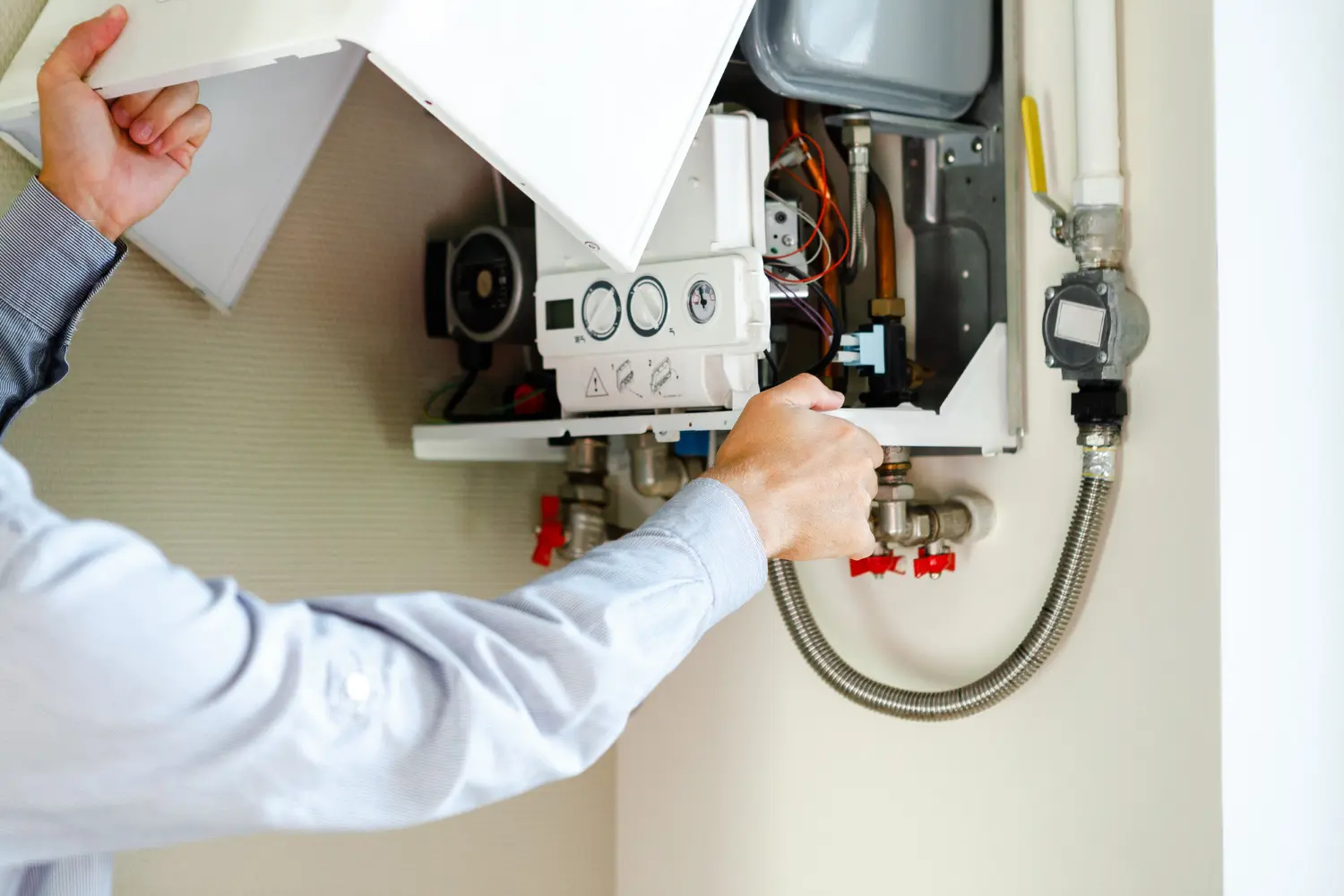
Stop Cold Showers Before They Start This Winter
Reliable hot water is more than a luxury in Calgary; it is part of staying warm, healthy, and sane when the temperature drops. Showers, dishes, laundry, and handwashing all depend on your water heater doing its job, every single day. When that hot water suddenly turns cold, it can throw off your whole routine.
That is why more homeowners and businesses are switching from old tank-style heaters to tankless systems. A tankless unit heats water as you need it, instead of storing it in a big tank that can run out. Done right, tankless water heater installation gives you steady hot water and better efficiency in a compact package.
The catch is size. Many people pick the wrong size tankless unit, often after relying on a quick online calculator. The result can be cold showers, noisy equipment, and higher bills. In this article, we will walk through the most common tankless sizing mistakes we see in Calgary and how to avoid them, so your hot water keeps up all winter long.
Why Tankless Sizing Matters More Than You Think
Tankless heaters work differently than old tanks. With a tank, you care about how many litres it can store. With a tankless system, what matters is how much hot water it can produce at any moment.
Two main numbers decide performance:
- Flow rate, measured in litres per minute
- Temperature rise, how many degrees the unit can raise the water as it flows through
If the unit is undersized, it struggles to keep up. Common signs include:
- Showers that feel fine until someone turns on a tap or the dishwasher
- Water that goes from hot to lukewarm, then back again
- The heater running at full power all the time, which can shorten its life
Going too big is not the answer either. An oversized unit can mean:
- Higher upfront cost
- More fuel burned than you actually need
- Lower efficiency in real day-to-day use
Professional tankless water heater installation should always start with a proper load calculation. That means we look at your fixtures, your family’s patterns, and your building’s setup, then match you with a unit that fits. It is not about picking the biggest model or whatever is on sale, it is about sizing to your real demand.
Accounting for Calgary’s Climate and Cold Water
Calgary’s climate plays a big role in how your tankless heater performs. In warm regions, incoming water might arrive already fairly mild. Here, as we head into fall and winter, the groundwater can be very cold by the time it reaches your home.
That temperature at the inlet matters. Your heater has to raise that cold water up to a comfortable hot water temperature in a fraction of a second. The colder the starting point, the harder the unit must work to deliver the same result.
Think about the difference between:
- Summer, when incoming water is relatively cool but not icy
- Winter, when that same incoming water can be much colder
A tankless system that seems fine for a quick shower in July can struggle once January hits. You might notice:
- Longer waits for hot water to feel comfortable
- Water that is only warm when more than one tap runs
- The unit hitting its limit at lower flow rates
Many online sizing tools are built for milder climates. They often assume a smaller temperature rise than we see in Calgary. If you rely on those generic numbers, you can easily end up with a unit that looks right on paper but feels disappointing in real life. Local experience matters when choosing tankless capacity for our winters.
Getting Real About Household Hot Water Demand
Another big mistake is underestimating how much hot water your home or building uses at the same time. People tend to think about a single shower, not everything that runs during a busy morning or evening.
Tankless units need to cover your peak demand, not just your average. Peak demand can include:
- Showers running at the same time
- A dishwasher or washing machine starting a hot cycle
- Handwashing at sinks, before meals or after coming in from outside
Lifestyle changes can increase demand too. Kids becoming teenagers often means longer showers. Adding a basement suite, finishing a bathroom, or having frequent overnight guests can push a system that was once fine into constant struggle.
To size correctly, we look at typical flow rates, for example:
- Standard showerheads
- Bathroom and kitchen sinks
- Dishwashers and washing machines
Then we add up how many of these might be on at once during your busiest hour. A good tankless water heater installation assessment also looks ahead. If you plan to develop the basement or add a rental suite, it is smart to factor that in now rather than pushing your system to its limit later.
Considering Gas, Power, Venting and Layout
Tankless size is not just about hot water output. Larger units often need more from your home’s mechanical systems.
If you move to a higher capacity unit, you may also need:
- A larger gas line so the unit can fire at full power
- Sufficient electrical supply for controls and any extra features
- Proper venting that matches the unit type and manufacturer rules
When gas supply is too small or venting is not set up correctly, your tankless heater may never reach its rated performance. It might be “big” on paper but held back in real use.
Space is another factor. The mounting location, vent route, and access for service all affect which models are a good fit. In tight mechanical rooms, we have to balance:
- Clearances to walls and other equipment
- How far and where the vent can run
- Safe and easy access for future maintenance
A professional installer looks at the whole mechanical picture before suggesting a size. That way, the unit you choose can actually deliver its full capacity in your Calgary home or business.
Planning for Efficiency, Recirculation and Future Changes
Not all tankless heaters are the same. There are basic models and higher efficiency condensing units. Each has different venting needs and sizing details, and both can work well when matched properly to the building.
Many people also want faster hot water at taps that are far from the heater. A hot water recirculation system can help, but it changes how the heater is used. Recirculation can:
- Increase the number of times the unit fires
- Keep warm water moving through long pipe runs
- Add to the effective demand the unit needs to cover
If you think you might add recirculation later, or if you already have long pipe runs to distant bathrooms, that should be part of the sizing conversation.
Future projects matter too. Possible plans include:
- Adding another bathroom or ensuite
- Building a legal or in-law suite
- Setting up outdoor hot water for a shop or hose bib
It is often easier and more cost-effective to plan for growth when you first install a tankless heater, instead of replacing a too-small unit a few years later. With the right planning, you can get a system that balances efficiency, comfort, and room to grow without jumping to something far bigger than you really need right now.
Getting the Right-Sized Tankless System for Calgary Living
Skipping proper sizing can lead to cold showers, rising bills, and a unit that wears out sooner than it should. When a tankless heater is sized and installed correctly, you get steady hot water, smoother operation, and peace of mind when Calgary temperatures drop.
At Precision Plumbing, we focus on matching tankless water heater installation to real Calgary conditions. That means checking local incoming water temperatures, listening to how your family or business actually uses hot water, and confirming that your gas, power, and venting can support the right model. With careful planning and quality workmanship, your tankless system can keep up with winter while staying efficient all year long.
Get Started With Your Project Today
Upgrade your home’s hot water with expert tankless water heater installation from Precision Plumbing and enjoy dependable comfort and efficiency. We will assess your home, recommend the right unit, and complete the work with care so you can feel confident in your new system. If you are ready to talk details or schedule a visit, simply contact us and we will help you plan the next steps.