



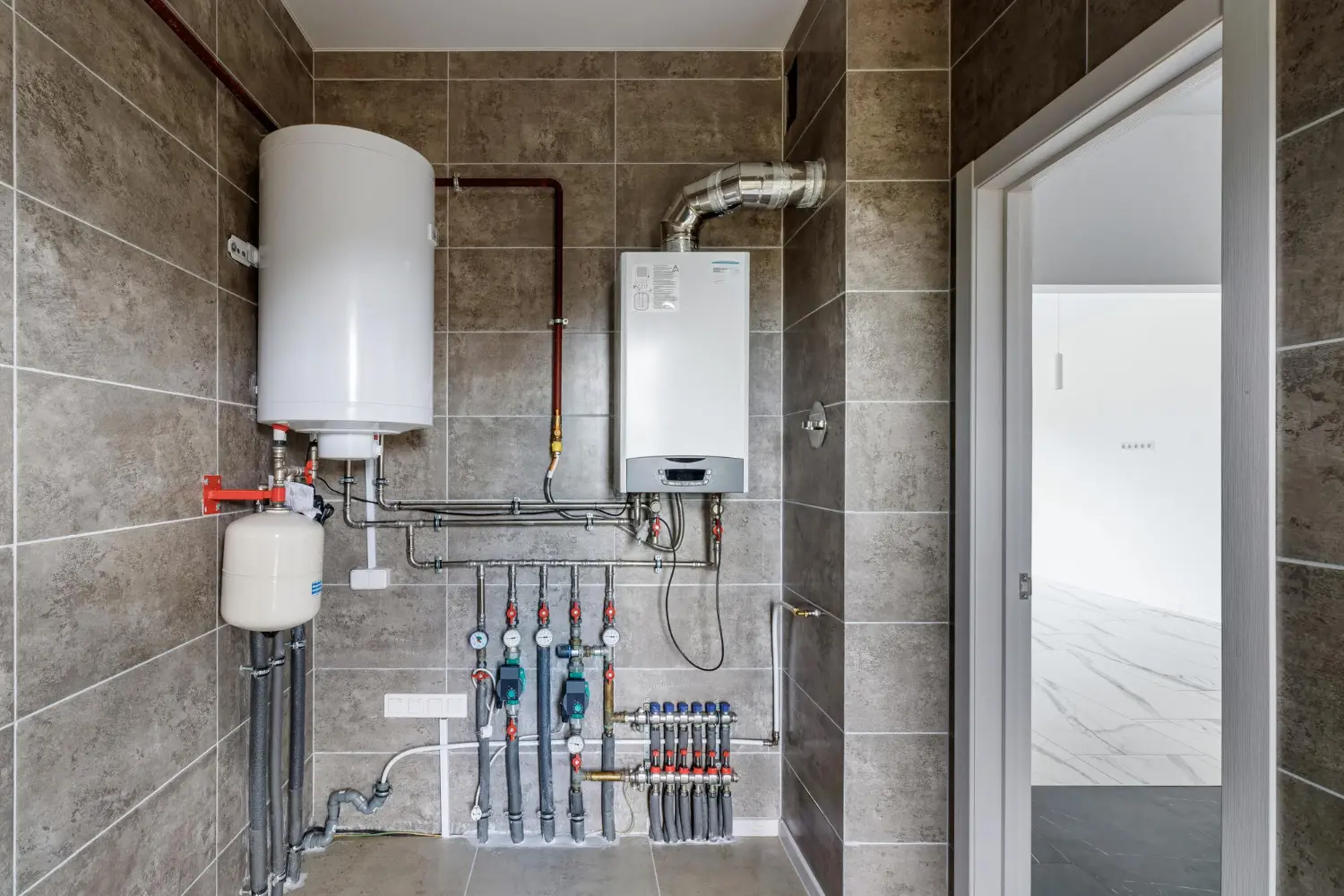
How Calgary Family Habits Stress Tankless Heaters
Tankless water heaters work very differently from old tank-style units. A tank keeps a large amount of water hot all the time, whether you use it or not. A tankless heater only fires when water flows, heating it as it passes through. That means your daily routines control exactly how often it starts, stops, and runs at full power.
For many Calgary families, normal habits are harder on a tankless heater than they seem. Busy mornings, long winters, multi-storey homes, and hard local water all add up. Over time, these patterns can mean more wear, more error codes, and more tankless water heater repair visits than you expected.
In Calgary, cold incoming water, long runs to upper floors, and large families sharing one system create a special kind of strain. When we match our routines to how tankless heaters actually work, we can get better comfort and a longer system life with far fewer surprises.
Morning Rush Routines That Overload Your System
The morning rush is one of the toughest times of day for a tankless heater. Everything happens at once, and your system has to keep up in real time.
Stacked showers and hot water appliances are a big one. When three or four people shower back-to-back while the dishwasher or washing machine runs, the heater can hit its maximum flow rate and temperature rise.
Common signs of overload include:
- Lukewarm water for the last showers
- Water that keeps jumping from hot to cool and back again
- Error codes that start to show up more often
Calgary winters make this even harder. On very cold mornings, the water entering your home is much colder, so the heater has to work extra to raise it to a comfortable temperature. When everyone turns taps fully to hot, the unit often runs at or near its highest firing level.
That kind of high-demand use can:
- Stress the heat exchanger
- Wear sensors and safety controls
- Put extra strain on venting and exhaust parts
Multi-storey homes add another layer. If your tankless heater sits in the basement and bathrooms are on the second or third floor, hot water has a long way to travel. Many people leave taps running while they wait for the water to heat up. It feels harmless, but it keeps the burner firing longer and more often than needed, which slowly adds to wear.
Evening Cleaning Marathons That Never Let Burners Rest
Evenings can be just as tough as mornings, especially when cleaning and chores pile up. When a dishwasher runs a hot wash, then a sanitize cycle, then the laundry starts several hot loads, the tankless heater may stay at a high firing rate for a long stretch.
That constant high output is not just about gas use. In Calgary’s hard water, it can speed up mineral buildup inside the heat exchanger. Scale forms faster when:
- Water is very hot
- Flow is strong and steady
- The system runs for long periods without breaks
Multi-tasking with hot water makes things even busier for the heater. Common evening patterns include cooking, rinsing dishes, filling a tub, and running the dishwasher at the same time. When all of that overlaps, the heater has to split its output across several fixtures.
This can lead to:
- Reduced efficiency and longer wait times
- Noisy operation as the unit ramps up and down
- Error codes that look like a sudden failure, even though stress has built up slowly
Even in summer, habits can keep the tankless firing more than needed. Many families mix hot and cold at outdoor taps to fill a kids’ pool, wash the dog, or spray down the patio. Short, frequent bursts of warm water may not feel like much, but every start-up cycle uses the ignition system and burner. When this happens over and over, small parts can wear faster, leading to tankless water heater repair visits that seem to come out of nowhere.
Hidden Hot Water Hogs Shortening Tankless Lifespans
Some hot water use is easy to see, like a long shower. Other loads are more hidden but can be just as stressful. Recirculation systems, body-spray showers, and oversized soaker tubs can all keep water moving through the tankless heater more often than you might think.
If a hot water recirculation pump is set poorly, it can run far more than needed. That can lead to:
- The tankless firing many times an hour
- Extra wear on ignition parts
- Higher internal temperatures for longer periods
Slow leaks are another quiet problem. A dripping hot tap or a mixing valve that never fully closes can create a small but steady flow. To the tankless heater, that looks like real demand, so it keeps firing in short, low-level cycles. Over time, those tiny bursts add up to serious fatigue for ignition components and burners.
Old habits from tank-style heaters also cause trouble. With a tank, people often:
- Leave hot taps running a bit as they move around
- Set handles to full hot and never adjust
- Assume a small flow has no impact
With a tankless system, every bit of flow wakes the heater. Those same habits can mean hundreds of extra start-ups every week. Learning to turn taps off promptly and only use the hot you actually need can make a big difference in how often the system has to work.
Seasonal Calgary Pressures Your Tankless Feels First
Calgary’s climate is tough on plumbing equipment, and tankless heaters feel it right away. In winter, the water entering the home drops in temperature, so the heater has to add more heat to reach your set point. That higher workload all winter can leave parts tired by the time spring and summer arrive.
Early summer can be a good time to look back at how your system performed through the cold months. If you noticed more temperature swings, odd noises, or new error codes, those are small signs that winter stress may be catching up.
Winter also brings furnace season, dry air, and construction projects that often happen indoors. Dust in a basement can find its way into a tankless heater’s air intake or gather near venting. When that happens, you might see:
- Intermittent hot water that cuts in and out
- Combustion-related error codes
- Units that seem to struggle more on very cold days
Calgary’s hard water is a year-round issue, but it really shows over time. Minerals build up in the heat exchanger, especially after years of heavy winter use. Then when spring and summer hit, more showers, sports, yard work, and wash loads keep demand high. If descaling has been skipped, the heater has to work even harder through that busy season.
Turn Everyday Routines Into Tankless-Friendly Habits
The good news is that small changes at home can take a lot of stress off your tankless heater without giving up comfort. Simple tweaks include:
- Spacing out showers and big appliance cycles when you can
- Choosing warm instead of max-hot on taps whenever it is comfortable
- Shutting taps promptly instead of letting them run while you wait for temperature changes
- Upgrading to quality low-flow showerheads to reduce total demand
- Fixing dripping hot faucets or slow leaks as soon as you notice them
Along with those habit changes, proactive maintenance goes a long way toward avoiding emergency tankless water heater repair. Regular professional care can include descaling, cleaning filters, and checking venting and combustion air paths. A quick inspection can often catch stress from family routines before it turns into a full no-hot-water event.
Pay attention to early warning signs such as:
- Temperature swings while fixtures are running
- New or louder noises from the unit
- Error codes that keep reappearing
- Longer waits for hot water than you used to have
By adjusting everyday routines and staying ahead on service, Calgary families can give their tankless heaters a much easier life. That means more reliable hot water when it matters most and fewer surprises from equipment that has quietly been pushed beyond its comfort zone.
Restore Reliable Hot Water In Your Home Today
If your hot water keeps cutting out or your utility bills are climbing, we can help you get your system back on track with expert tankless water heater repair. At Precision Plumbing, we diagnose the problem quickly and recommend practical solutions that fit your home and budget. Reach out to our team to schedule a visit or ask a question through our contact page, and we will follow up promptly to get your hot water running smoothly again.