




Winters in Calgary are no joke—that icy wind can chill you to the bone. As a homeowner, you know that a warm car on a sub-zero morning makes all the difference. This is where finding the best type of garage heater for Calgary comes in. But with a dizzying array of options available, choosing the right one can feel overwhelming. This post explores the different types of garage heaters to help you make the right decision for your needs. We’ll discuss everything from BTUs to the benefits of infrared heating.
Understanding Your Garage Heating Needs
Before exploring specific types of garage heaters, consider what you need from your heater. A small, well-insulated, one-car garage in Calgary won’t have the same heating requirements as a larger, less-insulated, two-car garage used as a workshop.
Factors to Consider
- Size and Insulation: A larger, poorly insulated garage needs a more powerful heater than a smaller, well-insulated one. Measure your garage’s square footage and consider the insulation levels.
- Desired Temperature: Do you need the garage toasty warm, or just above freezing?
- Frequency of Use: Will you use the garage daily or occasionally?
Types of Garage Heaters
Choosing the best type of garage heater for Calgary depends on your specific needs and budget. There are many options available, each with its own set of advantages and disadvantages.
Natural Gas Garage Heaters
Natural gas garage heaters, often called convection heaters, use air currents to heat the space. These heaters are popular in Calgary because natural gas is relatively inexpensive. These heaters offer rapid warming, getting your garage to a comfortable temperature in a short time. Homeowners must follow natural gas and propane installation guidelines.
Pros
- Energy Efficient
- Cost-Effective
- Quiet Operation
Cons
- Professional Installation Required: You’ll need a certified gas fitter to install a natural gas garage heater. This ensures safety and compliance with building codes.
- Limited Portability
Propane Garage Heaters
Propane heaters are a good choice when you want powerful, portable heat without a gas line. The Mr. Heater Portable Propane Forced Air Heater is a great example. They can also serve many purposes, including providing heat to your garage space.
Pros
- Portability: Take your propane heater where you need it, making it a popular choice for construction sites, workshops, and even patios.
- Powerful Heating
- No Gas Line Required
Cons
- Fuel Costs: Compared to natural gas heaters, propane heaters can be more expensive to run, especially for long periods. You’ll need to factor in the cost of propane refills.
Ventilation: Like any fuel-burning appliance, propane garage heaters require adequate ventilation to prevent carbon monoxide buildup.
Electric Garage Heaters
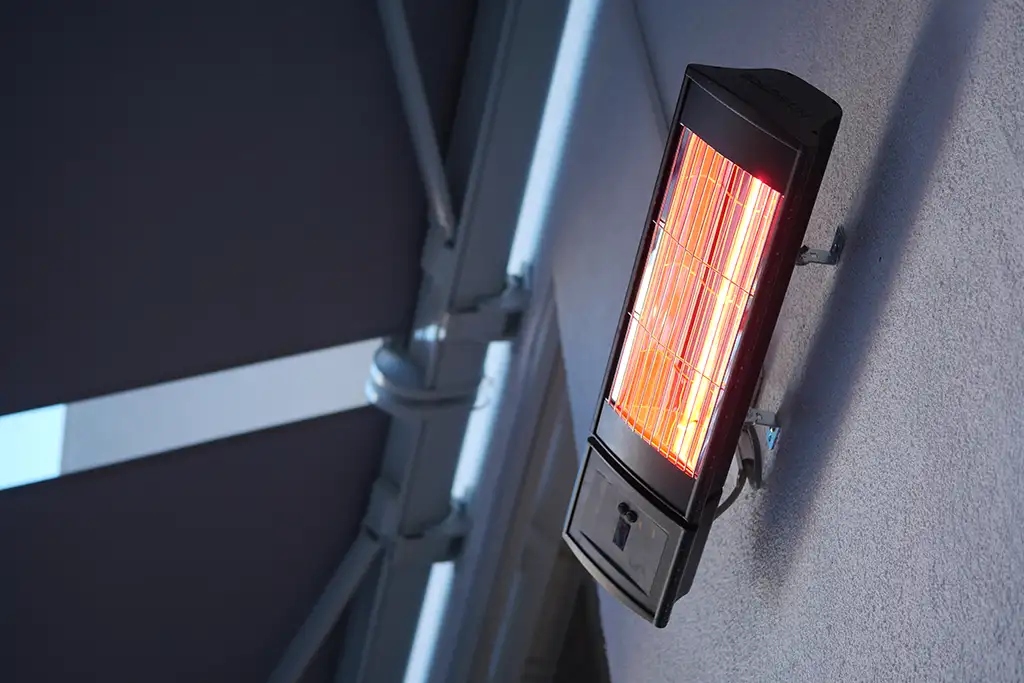
Electric garage heaters come in various forms, from compact space heaters to mounted units. The Briza Infrared Electric Heater offers a good balance of performance and convenience.
Pros
- Ease of Installation
- Clean Operation: Unlike their fuel-burning counterparts, electric heaters don’t produce any fumes or emissions. Electric heaters ensure a cleaner and healthier environment.
- Safety: Electric garage heaters are generally safer for indoor use than fuel-powered options because they don’t have an open flame or produce exhaust.
Cons
- Energy Consumption
- Limited Heat Output
Radiant vs. Forced-Air Garage Heaters: Which is Right for You?
Now that you’re familiar with the main fuel types, let’s discuss heating mechanisms. When searching for the best type of garage heater for Calgary, you’ll encounter two primary options: radiant and forced-air.
Radiant Garage Heaters
Imagine basking in the warmth of the sun. Radiant heaters use a similar concept—infrared radiation. These heaters emit heat waves that directly warm people and objects in their path. They do not directly heat the surrounding air.
Pros
- Quiet Operation: Radiant heaters offer peace and quiet. They don’t rely on fans, so they’re perfect for noise-sensitive environments. This can be especially helpful if you use your garage for activities where noise might be disruptive, like a workshop.
- Even Heat Distribution
- Energy Efficiency: Radiant heaters heat objects directly, so they can be more efficient for spot heating. They’re also great for garages with high ceilings and minimize heat loss.
Cons
- Limited Heating Range: While excellent for focused areas, their heat might not reach every part of a large garage. This is unlike forced-air heaters. If you’re planning to use the entire space, you might need multiple units.
Slower Warm-up Time: They take longer to warm up a space than forced-air models. This is especially true if you need to heat the entire garage.
Forced-Air Garage Heaters
Forced-air heaters function like your home’s central heating system, just on a smaller scale. These heaters draw in cold air, heat it up using a heat exchanger, and then use a fan to push the warm air out. This circulates the warm air throughout the garage.
Pros:
- Quick and Efficient: These heaters are masters of quick and even heat distribution. They are known for effectively heating up large spaces. This is especially helpful if your garage is on the larger side or has multiple bays.
- Effective in a Variety of Conditions: Forced-air heaters excel at combating those biting Calgary winters. They also maintain a consistent temperature within your garage. This can be a significant advantage for anyone who spends a lot of time in their garage during the colder months.
Cons
- Noise Level: The heater’s fan makes a constant humming noise, which can be bothersome for some. This is especially true if you plan to use your garage for tasks requiring high concentration. It can also be disruptive if you enjoy a more peaceful environment.
Dust Circulation: The constant air movement can stir up dust and allergens, which might not be ideal for individuals with sensitivities. This is also not ideal if you’re working on projects where dust is a concern. Using an air filter can be helpful.
Calculating BTU Requirements
BTU (British Thermal Units) determines a heater’s heating capacity. To calculate the BTUs needed, consider these steps.
Determine your Garage's Cubic Feet
Multiply its length by width and height.
Calculate Based on Insulation and Desired Temperature
- For well-insulated garages and a 45-50°F rise, use 4-5 BTUs per cubic foot.
- For average-insulated garages and a 50-55°F rise, use 6-7 BTUs per cubic foot.
- For poorly insulated garages and a 60-65°F rise, use 8-9 BTUs per cubic foot.
For example, a well-insulated garage of 500 cubic feet aiming for a 50-degree rise requires approximately 2,500 BTUs (500 cubic feet x 5 BTUs per cubic foot = 2,500 BTUs). Remember to factor in other heat loss sources like windows, doors, and ceiling height for a more accurate calculation. You should also keep in mind what you plan to use the garage for.
Installation and Safety
Whether you opt for a gas or the best type of electric garage heater, prioritize safety. Entrust the installation to licensed professionals. They ensure adherence to local codes and safety regulations. Install carbon monoxide detectors if using a fuel-burning model. For optimal performance and safety, schedule regular service appointments to keep your chosen heater in top shape.
Get the Best Type of Garage Heater for Calgary Properties!
Selecting the best type of garage heater for Calgary requires careful consideration of several factors—budget, fuel type, heating technology, and safety. Natural gas heaters are cost-effective for consistent use. Electric and propane heaters might be better for portability. Choosing the right heater transforms your garage into a year-round comfortable space for hobbies, projects, or simply ensuring your car starts on the coldest mornings. Consult a qualified HVAC professional.
Homeowners in Calgary can reach out to Precision Plumbing at their earliest convenience to get the ideal garage heater for their properties! Contact us today for more information or to schedule a free consultation.